
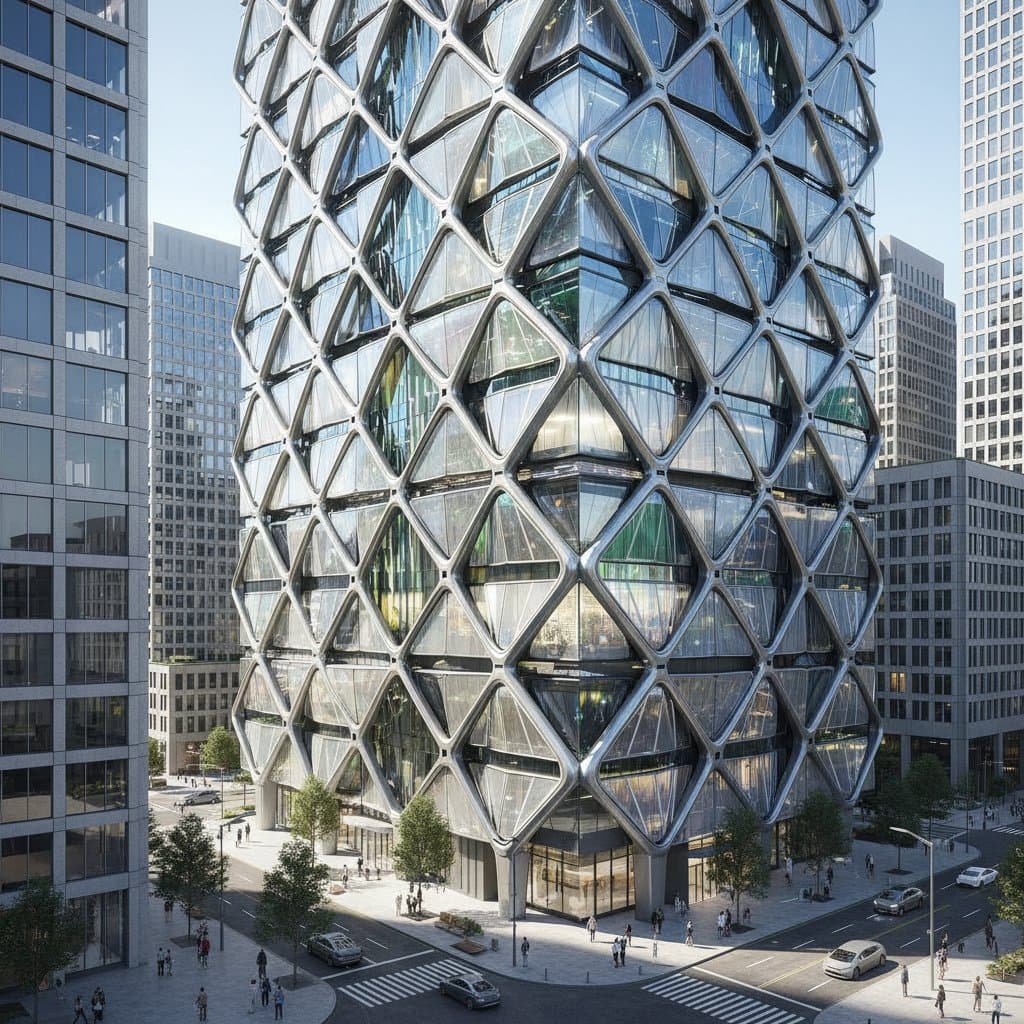
How Algorithmic Design Shapes Modern Parametric Facades
You have probably noticed buildings that seem to move as the light changes or that shift appearance when you walk past them. Those are examples of parametric facades, and they are changing how architecture looks and functions. Behind these dynamic surfaces is a process known as algorithmic design, a method that lets designers use computer logic to shape and refine structures with precision.
Understanding Algorithmic Design
Algorithmic design uses rules to create forms instead of relying only on hand-drawn plans. You input parameters such as height, sunlight exposure, airflow, or material limits, and the software generates options that meet those criteria. It is like telling the computer what the problem is and letting it calculate hundreds of possible solutions.
This approach lets architects test ideas quickly. Instead of redrawing every version of a wall or window pattern by hand, the software adjusts the geometry automatically. You can explore how a design reacts to different conditions and refine it until it performs as needed.
What Makes a Facade Parametric
A parametric facade is one that changes shape or pattern based on defined inputs. For example, panels might rotate to control sunlight, or perforations might adjust density depending on interior needs. Each element follows a mathematical rule, allowing precise control over both appearance and performance.
You can think of it as an intelligent skin for a building. It does not just cover the structure. It responds to the environment. This can reduce energy use, improve comfort, and create a striking visual identity.
Steps Behind the Process
- Define the goals. The design starts with clear performance targets such as daylight control, ventilation, or structural efficiency.
- Set the parameters. These could include angles of panels, material thickness, or distances between elements.
- Run algorithms. The software generates multiple variations, testing how each one behaves under different conditions.
- Evaluate results. Designers review which options perform best in both function and aesthetics.
- Refine and fabricate. Once a solution meets the goals, it moves to production, often using digital fabrication methods like CNC cutting or 3D printing.
Pros and Cons to Keep in Mind
Pros:
- Greater design flexibility and creativity
- Improved environmental performance
- Efficient material use through optimization
- Easier visualization of complex forms
Cons:
- Requires specialized software and training
- Can increase upfront design time
- Fabrication may be more expensive for custom parts
For smaller projects, the software and fabrication costs may feel high at first. Yet when you factor in reduced material waste and better energy performance, the investment often balances out.
Practical Considerations
If you are thinking about exploring algorithmic design for a new project, expect to work closely with architects who specialize in digital modeling. The process usually requires coordination between designers, engineers, and fabricators. Costs vary depending on scale and material choice, but the most expensive part is often the early modeling phase.
Permits are handled like any other construction, but you may need to provide additional documentation to show structural safety and material compliance. Timelines can also stretch slightly longer than traditional design since testing and simulation take time.
Implementing Parametric Facades
Algorithmic design gives you a way to create buildings that respond to their surroundings rather than fight against them. Whether you are planning a small renovation or a new build, consider how parametric thinking could improve comfort, reduce costs over time, and give your project a distinctive identity. Start by discussing your goals with a designer who understands both the creative and technical sides of this approach. With the right team, your next facade can be as smart as it is beautiful.