
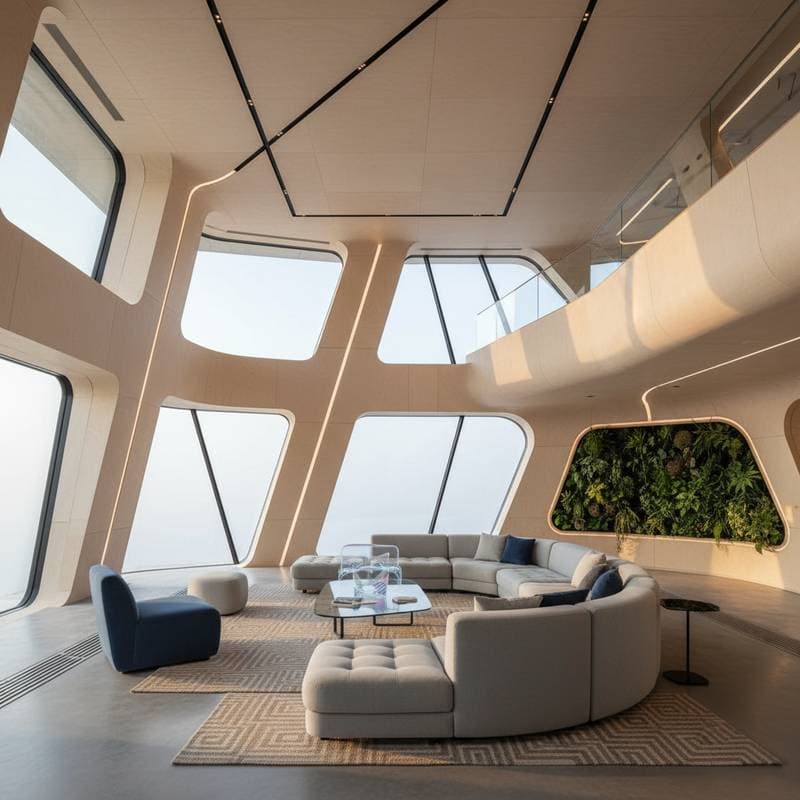
Algorithm-Driven Homes: Parametric Design in 2026
Imagine a residence that reshapes its interior to capture optimal sunlight, regulates temperature through subtle structural shifts, and aligns every element with daily routines. Algorithm-driven parametric homes make this vision a reality. These innovative structures leverage computational intelligence to create responsive living environments that enhance comfort, efficiency, and sustainability.
Challenges of Static Architecture
Conventional homes remain unchanged long after construction, often failing to accommodate evolving needs. Residents frequently encounter issues such as excessive heat in warmer months, inadequate natural light during colder seasons, or inflexible layouts that no longer suit family dynamics. This rigidity leads to higher energy consumption and reduced livability over time.
Parametric design addresses these limitations by introducing adaptive systems. A central digital framework processes real-time data on environmental factors and occupant behavior. The home then responds dynamically, optimizing conditions without manual intervention.
Core Principles of Parametric Design
Parametric design relies on algorithms to generate architectural forms based on predefined parameters. Designers input variables such as solar exposure, wind patterns, and spatial requirements into specialized software. The system iterates through countless configurations to produce tailored blueprints that prioritize performance.
Algorithmic architecture extends this process beyond initial planning. Post-construction, embedded sensors continuously gather data on light levels, air quality, and movement. Actuators then execute adjustments, like tilting panels to block harsh sunlight or modulating vents for improved ventilation.
This approach transforms the home into an intelligent entity. While it lacks human cognition, the algorithms enable proactive adaptations that mimic awareness.
Benefits Driving Adoption
Homeowners increasingly explore parametric solutions for their tangible advantages.
- Energy Optimization: Intelligent controls harness natural resources, reducing reliance on mechanical heating and cooling systems.
- Enhanced Comfort: Spaces adjust to individual preferences, such as dimming lights during evening relaxation or expanding open areas for social gatherings.
- Environmental Responsibility: Optimized designs minimize material waste and lower carbon emissions through efficient resource use.
- Custom Fit: The home evolves with the resident, offering a level of personalization unattainable in traditional builds.
Initial expenses pose the primary barrier, as custom algorithms and fabrication demand premium investment. However, widespread adoption and technological advancements are gradually lowering these thresholds.
Essential Components of Algorithm-Driven Homes
Several integrated elements define a truly adaptive residence.
- Sensor Networks: Devices track metrics including temperature, humidity, illumination, and human presence to inform system decisions.
- Adaptive Materials: Components like electrochromic glass alter opacity in response to light intensity, or shape-memory alloys flex under thermal stimuli.
- Data-Informed Geometry: Structural elements derive from simulations rather than mere visual appeal, ensuring functional superiority.
- Automation Infrastructure: Centralized software orchestrates changes in lighting, climate control, shading, and fluid dynamics.
In practice, this might involve self-tinting windows, retractable partitions for airflow, and a learning algorithm that refines operations based on usage patterns.
Designing a Parametric Home: A Phased Approach
Creating such a home involves a structured process that blends creativity with computation.
-
Establish Objectives: Collaborate with the architect to outline priorities, such as energy reduction targets or adaptable room configurations.
-
Input Parameters: Load site-specific data into design software, including solar trajectories, local climate data, and privacy needs.
-
Iterate Designs: The algorithm generates diverse prototypes adhering to the parameters; review and select the most suitable variant through interactive visualizations.
-
Simulate Performance: Conduct virtual tests for scenarios like seasonal weather variations or peak occupancy to validate efficiency.
-
Fabricate Components: Employ precision techniques such as computer numerical control machining or additive manufacturing to produce exact fittings.
-
Deploy Intelligence: Install sensor arrays, control mechanisms, and software interfaces to enable ongoing adaptations.
Elements of this methodology already appear in contemporary projects, bridging the gap between concept and construction.
Advantages and Drawbacks
Parametric homes offer compelling upsides alongside notable challenges.
Advantages
- Sustained reductions in utility expenses through precise resource management
- Tailored environmental controls that elevate daily well-being
- Diminished ecological impact via lifecycle optimization
- Proactive diagnostics that prevent issues before they arise
Drawbacks
- Elevated preliminary expenses for design and customization
- Intricate assembly requiring skilled labor
- Reliance on reliable digital infrastructure
- Ongoing needs for technical servicing and updates
Retrofitting existing properties with select features proves feasible, though comprehensive implementations favor new constructions.
Financial and Timeline Realities
Expenses for parametric elements vary by scope. Basic integrations, such as algorithmic shading or ventilation, typically increase costs by 10 to 20 percent over standard equivalents. Advanced features like kinetic facades or responsive flooring command significantly higher premiums.
Planning extends due to iterative modeling, yet fabrication accelerates on-site work through prefabricated, dimensionally accurate modules. Maintenance varies: robust systems endure with routine checks, while software-dependent ones benefit from periodic enhancements.
Addressing Safety and Regulatory Hurdles
Structural integrity remains paramount in adaptive designs. All automated functions incorporate fail-safes, including manual overrides to disengage mechanisms during anomalies. Redundant power sources ensure continuity for critical operations.
Regulatory compliance demands preparation. Local authorities may scrutinize novel materials or dynamic systems, necessitating detailed simulations and certifications. Partnering with architects versed in computational methods facilitates approvals and mitigates delays.
Experiencing Adaptive Living Daily
Daily life in a parametric home unfolds with seamless responsiveness. Natural light gradients shift throughout the day, while ambient temperatures maintain ideals without excessive energy draw. The environment anticipates needs, fostering a harmonious coexistence.
Residents actively shape the system by inputting preferences, such as preferred illumination cycles or ventilation thresholds. This interaction cultivates a symbiotic relationship, where the home refines itself in alignment with habits. Over months, efficiencies compound, yielding quieter, more intuitive spaces.
Steps to Pursue Parametric Integration
Transitioning toward this technology starts with informed exploration.
-
Identify Specialists: Seek architects proficient in parametric tools; request portfolios showcasing adaptive projects.
-
Implement Incrementally: Begin with accessible additions like automated louvers or sensor-based thermostats to gauge benefits.
-
Incorporate from the Outset: For new builds, specify algorithmic requirements during initial consultations to embed necessary infrastructure.
-
Allocate for Longevity: Reserve funds for future upgrades, ensuring the system remains current.
-
Engage Actively: Provide detailed input during development to align the design with personal rhythms.
Embracing Responsive Architecture
Parametric homes redefine shelter as an evolving partner. Residents experience not just reduced costs and heightened comfort, but a profound alignment between space and lifestyle. This integration promotes mindful resource stewardship, positioning the home as a contributor to broader sustainability efforts.
Ultimately, these designs empower intentional living. By harnessing data and automation, they deliver environments that anticipate and accommodate, elevating the essence of home.