
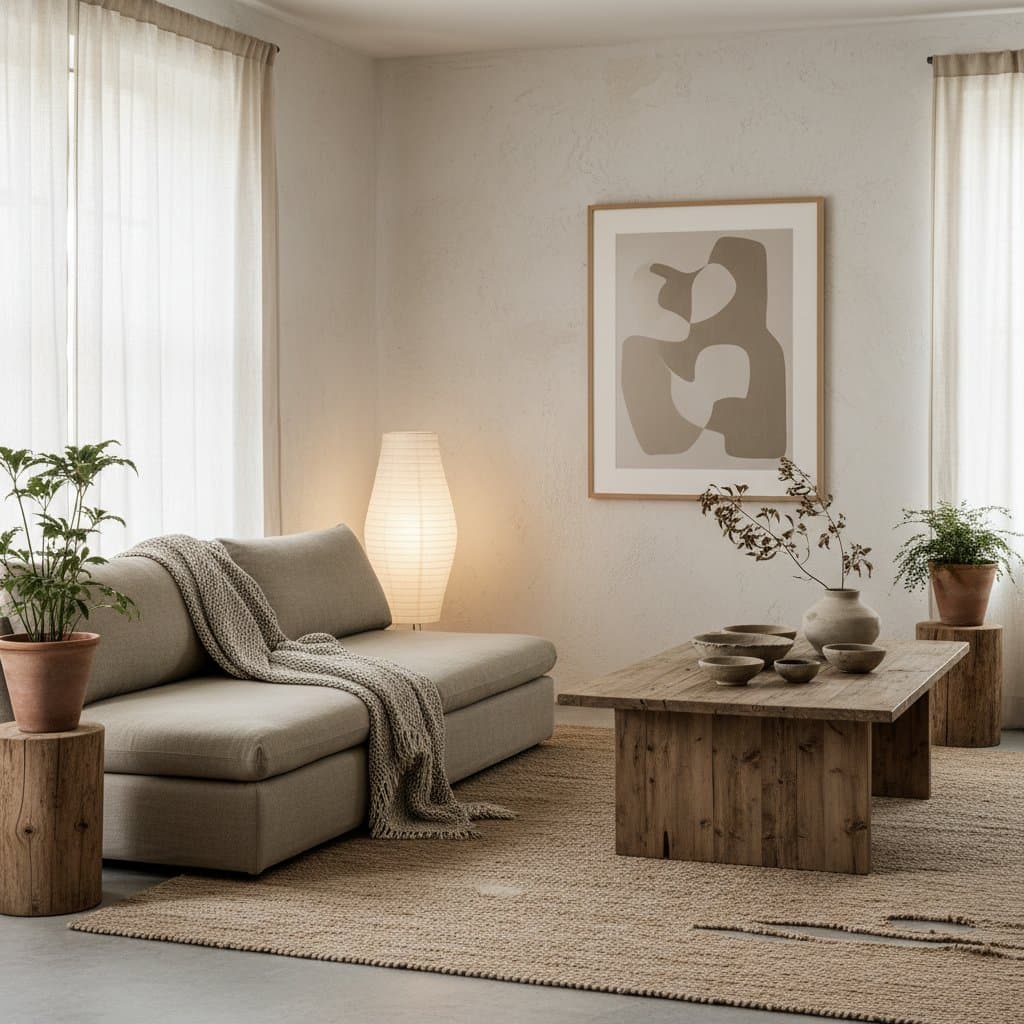
The Rise of Wabi-Sabi: Embracing Flaws in Modern Design
You scroll through countless design images featuring sleek perfection, glossy surfaces, and precise lines. These spaces appear stunning, yet they lack vitality. If you desire a home that pulses with life and holds narratives in its subtle imperfections, wabi-sabi offers the solution.
Picture a kitchen counter etched with a subtle scar from daily coffee rituals, or a ceramic vase displaying an irregular glaze that dances in the light. This understated elegance, rooted in imperfection, defines wabi-sabi. The philosophy honors authenticity, tranquility, and the organic evolution of materials, positioning it as a vital counterpoint in contemporary interior design.
Understanding Wabi-Sabi
Wabi-sabi originates from Japanese aesthetics, which prize simplicity, transience, and the grace of natural aging. It rejects the pursuit of flawless symmetry in favor of the allure found in artisanal, timeworn, and earthy components. This approach prompts individuals to pause and value the genuine essence of their environment.
In interior contexts, wabi-sabi extends beyond swapping furnishings for rustic alternatives. It involves a perceptual shift. Consider the nicked rim of a cherished mug as a testament to intimate gatherings, or the irregular patterns in a wooden floor as evidence of nature's craftsmanship.
Bringing Wabi-Sabi into Your Home
Infuse your living areas with a sense of grounding and individuality through deliberate choices:
-
Select natural materials. Opt for oak planks with visible knots, terracotta tiles that develop a soft patina, or unbleached cotton drapes. These elements evolve gracefully, infusing rooms with organic warmth and layered interest.
-
Adopt a subdued color scheme. Employ gentle earth tones such as taupe walls, sage accents, and chestnut upholstery. These hues mimic natural landscapes and foster a serene, cohesive atmosphere.
-
Integrate artisanal pieces. Introduce a potter's wheel-crafted platter or a loom-woven rug. Such items impart unique character and tactile richness absent in factory-made equivalents.
-
Cultivate open expanses. Reserve areas without ornamentation to allow visual respite. These voids promote mental clarity and prevent visual overload.
-
Embrace signs of use. Preserve the mellow oxidation on a copper kettle or the gentle fading of a linen throw. These details narrate the passage of time and personal history.
Balancing Imperfection with Practicality
Wabi-sabi prioritizes neither neglect nor discomfort; it advocates equilibrium. Combine an aged oak dining table with sleek leather armchairs, or juxtapose slim LED pendants with rough-hewn stone vessels. Harmony emerges from thoughtful curation rather than rigid consistency.
For renovations, initiate with modest interventions. Apply limewash to walls for a textured, breathable finish; install shelves from salvaged barn wood; or choose unlacquered brass faucets that acquire a living sheen. In extensive undertakings, such as altering layouts, engage a certified professional versed in eco-friendly and organic building practices to ensure durability and safety.
To deepen this balance, assess your space's daily demands. In high-traffic zones like entryways, pair resilient bamboo flooring with softer, imperfect accents like frayed jute mats. This strategy maintains functionality while nurturing the philosophy's spirit.
Mindset and Maintenance
Adopting wabi-sabi demands a philosophical adjustment alongside aesthetic decisions. It cultivates appreciation and forbearance. Rather than discarding an item at the first sign of distress, examine it closely; a hairline fracture might unveil intricate patterns previously overlooked.
Care routines align with this ethos, emphasizing gentleness over intensity. Nourish wooden surfaces with beeswax annually to enhance their luster without erasing character. Dust clay objects with a soft cloth weekly, and clean fabrics using mild, plant-based solutions to preserve their evolving narrative.
Over time, this mindful stewardship extends the lifespan of your possessions. A well-tended rattan chair, for instance, gains deeper tones and smoother contours, transforming routine upkeep into an act of preservation.
Living with Your Design
A wabi-sabi infused home mirrors the ebb and flow of daily existence. Each texture and artifact chronicles moments of engagement, adaptation, and inhabitation. The result is an environment that resonates with authenticity, free from contrived polish, inviting deeper breaths and present awareness.
Begin your journey toward such a refuge with incremental steps. Share your vision on doricsouth.com at no cost, and link with qualified local experts attuned to this enduring style. Your uniquely flawed sanctuary awaits discovery.