
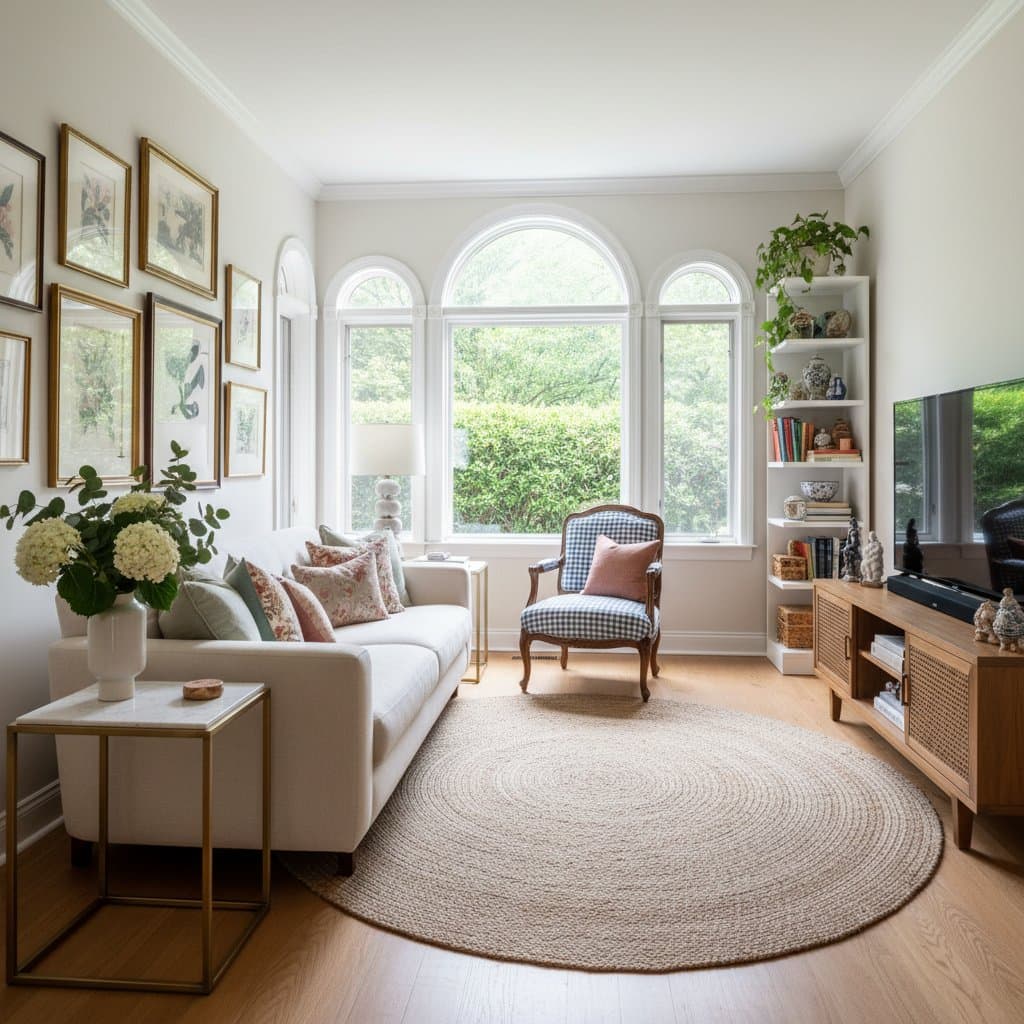
Gen Z's Vintage Revival: Modern Interpretations of Tradition
Younger homeowners and renters increasingly incorporate floral fabrics, wooden furnishings, and patterned dishware into their living spaces. Elements reminiscent of a grandmother's parlor now serve as confident design choices. Gen Z infuses traditional decor with innovative updates, yielding interiors that evoke nostalgia while remaining relevant.
This evolution stems from a desire for warmth and individuality after an era of stark minimalism. Vintage items convey narratives and provide solace, whereas contemporary accents maintain clarity and equilibrium. Individuals can adopt this aesthetic affordably and without excess accumulation.
Designers term this fusion grandmillennial decor, which harmonizes classic motifs with current sensibilities. The style honors artisanal skill, historical depth, and personal flair. The following sections outline methods to integrate heritage and innovation authentically.
Patterns, Textures, and Color
Contemporary decorators revive chintz, toile, and plaids through refined applications. Rather than covering entire walls in floral paper, consider one feature wall or curtains that complement neutral backdrops. Such selections ensure classic prints appear deliberate rather than dominant.
Color Choices That Work
Neutral tones like soft blues, warm creams, and subdued greens establish a soothing foundation. Introduce accents in coral, mustard, or rich navy to inject vitality. When employing vibrant patterns, offset them with unadorned surfaces to allow visual respite.
For example, pair a floral sofa with solid cream walls and navy throw pillows. This arrangement prevents overload while enhancing cohesion. Experiment with samples in natural light to confirm harmony.
Playing with Textures
Combining varied materials prevents a retro-inspired room from appearing outdated. Position velvet pillows alongside a rattan armchair, or rest a brass fixture on a marble surface. These pairings introduce dimension and suggest intentional curation.
Incorporate linen drapes with woven rugs for subtle contrast. Add ceramic vases on wooden shelves to bridge organic and refined elements. Layering in this manner fosters a tactile, engaging environment.
The Pros and Cons of Vintage Mixing
Design approaches offer benefits alongside hurdles. Recognizing these aspects enables informed decisions.
Pros
- Character and warmth: Heirloom items impart uniqueness that mass-produced pieces seldom achieve.
- Sustainability: Acquiring pre-owned goods minimizes environmental impact and promotes ethical consumption.
- Longevity: Traditional construction frequently employs durable materials that endure years of use.
Vintage integration also encourages creativity, as each discovery sparks unique arrangements.
Cons
- Maintenance: Certain antiques require restoration, such as refinishing or fabric renewal, incurring effort and expense.
- Size and fit: Bulky classic forms demand precise measurements to suit modern layouts.
- Consistency: Blending periods requires skill to prevent discordance.
Address challenges by starting small, perhaps with accessories before full furnishings. Over time, practice refines the eye for balance.
Imperfections like minor wear contribute to authenticity. A subtle patina enhances rather than detracts from appeal.
Practical Details to Keep in Mind
Sourcing vintage requires diligence. Allocate time for multiple visits to markets or online platforms until ideal matches emerge.
Inspect thoroughly for structural integrity, unfamiliar scents, and insect traces prior to purchase. For wired appliances, engage experts to verify or update electrical components.
Preserve condition with mild cleaning agents and regular wood treatments. If an item shows wear, consider simple transformations like fresh paint, updated fittings, or upholstery refresh to extend its usability.
Budget wisely by prioritizing versatile pieces. Thrift stores and estate sales often yield bargains, allowing gradual collection without strain.
Bringing Grandmillennial Style to Life
Incorporating vintage elements centers on crafting an inviting, reflective environment rather than replicating trends. Select pieces that resonate personally, integrate them with functional staples, and permit organic development.
Every addition enriches the narrative of the space. Gradually, the result emerges as multifaceted, serene, and distinctly individual.