
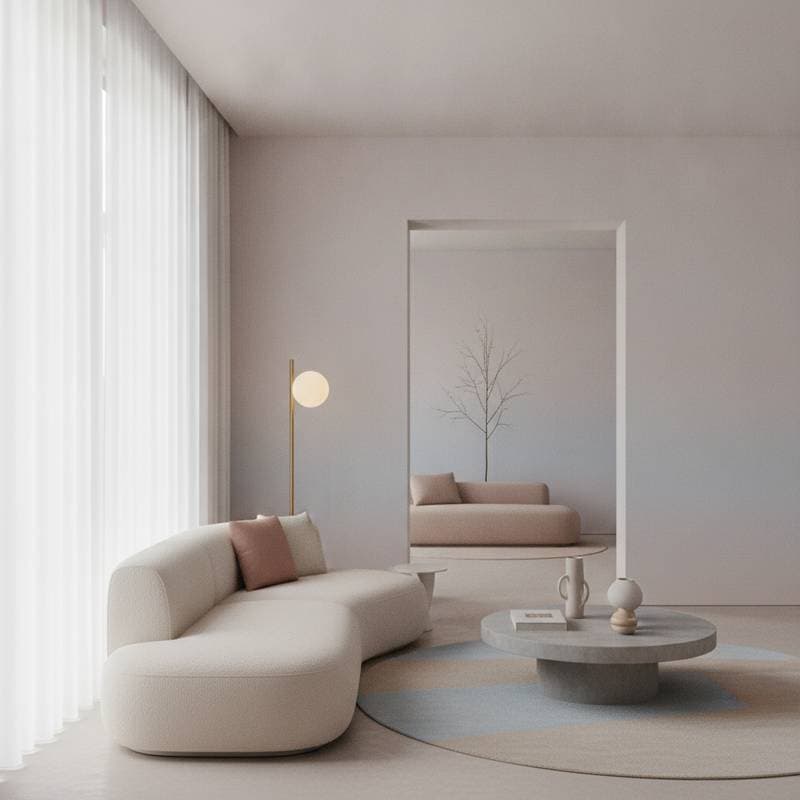
Dreamcore Liminal Spaces Enter Real-World Home Design
Have you ever walked into a hallway or stairwell and felt a strange mix of calm and mystery? That quiet, in-between feeling is what designers call a liminal space. A new design trend known as dreamcore brings that surreal atmosphere into real homes. It is not about making a house eerie or strange. Instead, it creates rooms that feel peaceful, introspective, and slightly detached from everyday rush.
What Dreamcore and Liminal Design Mean for Your Home
Dreamcore design draws from the look of transitional or in-between places. Think empty corridors, glowing light through frosted glass, or a door that opens to nowhere in particular. These spaces feel familiar yet slightly unreal. When used in home design, they help residents slow down and find calm.
The goal is to use lighting, color, and layout to create a sense of quiet transition. You are not building a museum piece. You are shaping areas that encourage reflection without feeling cold or strange.
How to Bring Dreamcore Liminal Style into Your Space
Here are a few simple ways to introduce this look into a home without major renovations.
-
Play with Lighting
Soft, indirect light is key. Use floor lamps, wall sconces, or LED strips hidden behind molding. Avoid bright overhead bulbs. A warm glow coming from unexpected angles creates that dreamlike mood. Install dimmable 2700K LED bulbs in existing fixtures to achieve the effect for around twenty dollars. -
Simplify Your Color Palette
Stick to muted shades like foggy gray, faded beige, or dusty blue. These tones make the space feel open and calm. Paint is the easiest way to start. Refresh a single room in a weekend for under one hundred dollars by applying two coats of eggshell finish paint. -
Use Minimal Furniture
Leave more open floor space than usual. A few well-placed items will make the room feel quiet and deliberate. Position a single lounge chair near a window with no other seating. This creates the pause between moments that defines liminal design. -
Add Subtle Reflections
Mirrors or glossy surfaces help light bounce around softly. Place a tall, lean mirror at the end of a hallway with muted lighting. The reflection makes the corridor appear to stretch onward and adds to the dreamlike appeal. -
Experiment with Texture
Smooth walls mixed with soft fabrics or matte finishes give contrast without clutter. Lay a low-pile wool rug in a neutral tone or hang linen curtains. Either change shifts how the entire room feels while keeping surfaces easy to maintain.
The Pros and Cons of Dreamcore Design
Pros:
- Creates a calming, meditative environment
- Works well in small spaces
- Low cost if focused on paint and lighting
Cons:
- Can feel too empty if overdone
- Some guests may find the atmosphere unusual
- Requires consistent upkeep to keep surfaces clean and uncluttered
Practical Considerations Before You Start
Dreamcore design does not require special permits or structural changes. Most of the work involves lighting and decor that homeowners can handle themselves. If adding built-in lighting or new electrical outlets, hire a licensed electrician for safety. Expect to spend a few hundred dollars depending on the scope of changes.
Applying These Ideas in Your Home
Start small. Try one hallway, spare room, or reading corner. Notice how light and quiet affect mood after a few days. Dreamcore liminal design works best when it grows naturally through the space. With a few adjustments, any home can feel both familiar and quietly unreal, a place where every pause feels intentional.