
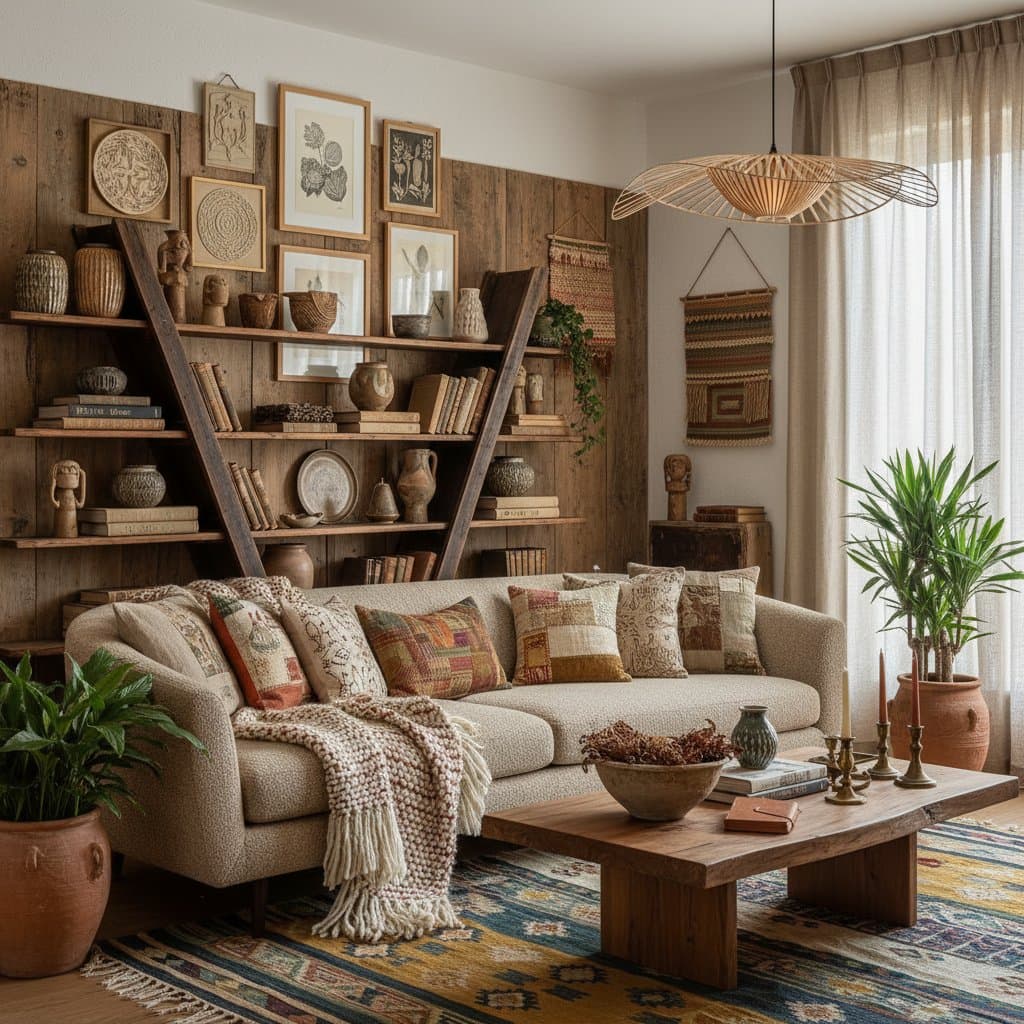
Artisan Maximalism: Textures Defining 2025 Design
Imagine entering a space where a velvet armchair draws you closer, a handcrafted wooden table reveals its unique grain, or a ceramic lamp evokes a personal narrative. These elements create an immediate sense of depth and vitality. Artisan Maximalism embodies this essence, emphasizing texture, expert craftsmanship, and personal expression to foster interiors that resonate on an emotional level.
For those seeking respite from impersonal, catalog-like environments, this design philosophy offers a compelling alternative. It encourages the acceptance of subtle flaws, the strategic layering of surfaces, and the selection of items with inherent significance. Rather than promoting disorder, it focuses on deliberate selection, transforming rooms into immersive experiences where each element invites sensory engagement.
The Shift Toward Texture and Craft
Contemporary preferences lean toward genuine warmth and tactile comfort in living spaces. Previously favored sleek, consistent surfaces symbolized progress and hygiene, yet they often appear detached or unmemorable today. Textured options such as woven fabrics, weathered hides, and unrefined pottery introduce sincerity and coziness, evoking the involvement of skilled hands in their creation.
Artisan Maximalism capitalizes on these qualities by blending refined and rugged elements, alongside contemporary and antique influences. This philosophy originates from a commitment to artisanal techniques and narrative depth, ensuring every decision carries purpose. Designers highlight the artisan's signature, from visible brush marks to preserved edges, rather than concealing them.
Such an emphasis on texture aligns particularly well with locales influenced by weather, heritage, and social ties. Coastal dwellings might feature lime-washed finishes paired with seagrass weaves, while alpine retreats incorporate dense woolen layers, sculpted timber accents, and natural stone focal points. The objective remains to infuse environmental harmony and individual character through multifaceted sensory elements.
The Foundations of Artisan Maximalism
To implement this aesthetic effectively, identify core components that establish the overall ambiance. These foundational aspects provide structure and cohesion.
-
Handcrafted Materials
Select pieces marked by human artistry, including wheel-thrown vessels, hammered metals, and sculpted timber. Imperfections enhance their appeal, signaling authentic production processes. -
Layered Textures
Integrate contrasting yet harmonious substances, such as a coarse linen settee with plush velvet pillows, a fibrous jute floor covering under a sleek glass surface, or matte plaster adjacent to gleaming brass fixtures. This combination yields dynamic visual and physical interest. -
Rich Color Stories
Maintain equilibrium with curated schemes that emphasize saturation over randomness. Deep gem hues, soil-inspired tones, and lush foliage shades serve as anchors, complemented by metallic sheens or intricate motifs for vitality and flow. -
Curated Collections
Prioritize items with personal relevance over generic ornaments. Artisanal pottery, heirloom fabrics, or regionally inspired artwork ground the composition with emotional weight. Achieve equilibrium to prevent visual overload. -
Natural Imperfection
Embrace the evolution of materials over time. Surfaces that develop patina, such as seasoned leather, aged timber, or frequently laundered fibers, cultivate an atmosphere of genuine occupancy.
Bringing Artisan Maximalism Into Your Home
Translating these principles into practice requires a tailored approach, guided by structured steps for clarity and progression.
-
Start with a Focal Point
Identify a singular item that encapsulates the style's core, whether a bespoke tapestry, an artistic illumination, or a salvaged timber surface for communal gatherings. This anchor influences subsequent selections. -
Build Layers Gradually
Introduce textural elements incrementally, commencing with structural bases like upholstery and flooring, followed by supplementary features such as coverings, bolsters, and decorative panels. This method sustains purposefulness and avoids excess. -
Explore Local Artisans
Engage with regional workshops or artisan gatherings to source fabrics, earthenware, and furnishings tied to indigenous resources and customs. Such choices not only enhance genuineness but also contribute to community vitality. -
Mix Eras and Influences
Harmonize period-specific acquisitions with current fabrications, exemplified by a classic armchair reupholstered in fresh material, a pastoral console supporting a modern overhead light, or a heritage reflector in a streamlined corridor. -
Play with Scale
Leverage disparities for dynamism, juxtaposing expansive canvases with fragile pottery or robust knit overlays against sheer drapery. These contrasts generate movement and captivate attention.
Cost and Practical Considerations
This design paradigm accommodates diverse financial parameters through strategic allocation.
-
High-Impact Investments:
Allocate resources to defining features like expansive floor coverings, tailored storage solutions, or bespoke luminaires. These durable selections provide enduring textural foundation. -
Budget-Friendly Layers:
Employ adaptable additions such as linens, supports, and minor adornments, which permit periodic renewal. Seek direct-from-maker sources at community events or digital platforms. -
Maintenance:
Attend to organic substances with routine attention; replenish finishes on oiled surfaces annually, cleanse fibers delicately, and manage pottery with care. These practices deepen connection to the environment. -
Climate Considerations:
In moisture-prone zones, favor permeable options like plant-based weaves or ventilated woods. For temperate climates, incorporate insulating layers such as fleeces, compressed fibers, and substantial timbers. -
Permits and Custom Work:
For integrated elements like joinery, specialized illumination, or surface applications, verify regulatory needs. Collaborate with certified specialists to align artistry with jurisdictional requirements and protective measures.
The Emotional Pull of Texture
Texture engages innate human responses, fostering proximity rather than detachment. Varied surfaces prompt exploration, from the invitation of interlaced fibers to the stability of molded earth or the history embedded in worn grains. These dimensions cultivate psychological ease, explaining the style's therapeutic quality.
Moreover, textures interact with illumination and motion. Subdued finishes diffuse light subtly, whereas reflective ones amplify it, establishing patterns throughout the area. This interplay animates interiors, adapting fluidly to diurnal variations and shadow dynamics.
Sustainability Through Craft
The philosophy's alignment with enduring practices attracts adherents seeking environmental responsibility. It prioritizes superior construction and extended utility over transient consumption. Patronizing regional creators promotes fair labor and minimizes ecological impact.
Frequently, makers employ recycled or ethically harvested inputs, yielding lower emissions compared to industrial outputs. Consider a restored timber expanse or naturally pigmented cloth as exemplars of reduced resource use.
Adaptive reuse integrates seamlessly, transforming a legacy cabinet into a washstand or elevating a familial coverlet to decorative prominence. These interventions personalize settings while anchoring them in history.
Texture in Every Room
Apply these tenets universally across domestic areas for cohesive impact.
-
Kitchen:
Install exposed racks with custom tableware, tactile flooring, and lustrous alloys like brass. A carved preparation surface or earthen overhead fixture introduces inviting depth. -
Bedroom:
Stack coverings, mats, and botanical weaves. Padded frames or interlaced panels serve as highlights, with diffused glows amplifying serenity. -
Bathroom:
Incorporate artisan-glazed panels, mineral receptacles, or non-shiny hardware. Subtle additions like textured linens or timber perches infuse utility with hospitality. -
Entryway:
Establish ambiance via crafted seating, plaited containers, or prominent reflectors, priming visitors for the home's narrative.
Integrating Artisan Maximalism for Lasting Impact
Embracing this style alters daily rhythms, prompting appreciation in routine acts. A vessel's ergonomic hold elevates a beverage ritual, while shifting gleams on varied planes invite contemplation. These interactions capture the philosophy's intent.
As time progresses, elements mature, acquiring depth through use, and fresh acquisitions integrate organically. This evolution underscores the approach's vitality, mirroring personal growth.
Making It Happen
To realize a texturally enriched domain, connect with qualified experts for specialized executions like custom frameworks, rendered coatings, or embedded storage. Utilize doricsouth.com to post projects at no cost and pair with screened craftspeople attuned to these principles.
Such partnerships realize concepts while upholding excellence, compliance, and regional norms. From modest updates to comprehensive overhauls, expert guidance streamlines efforts and amplifies outcomes.
Artisan Maximalism promotes deliberate existence amid tangible surroundings. It honors craftsmanship in the ordinary, rendering dwellings as mirrors of identity and priorities.