
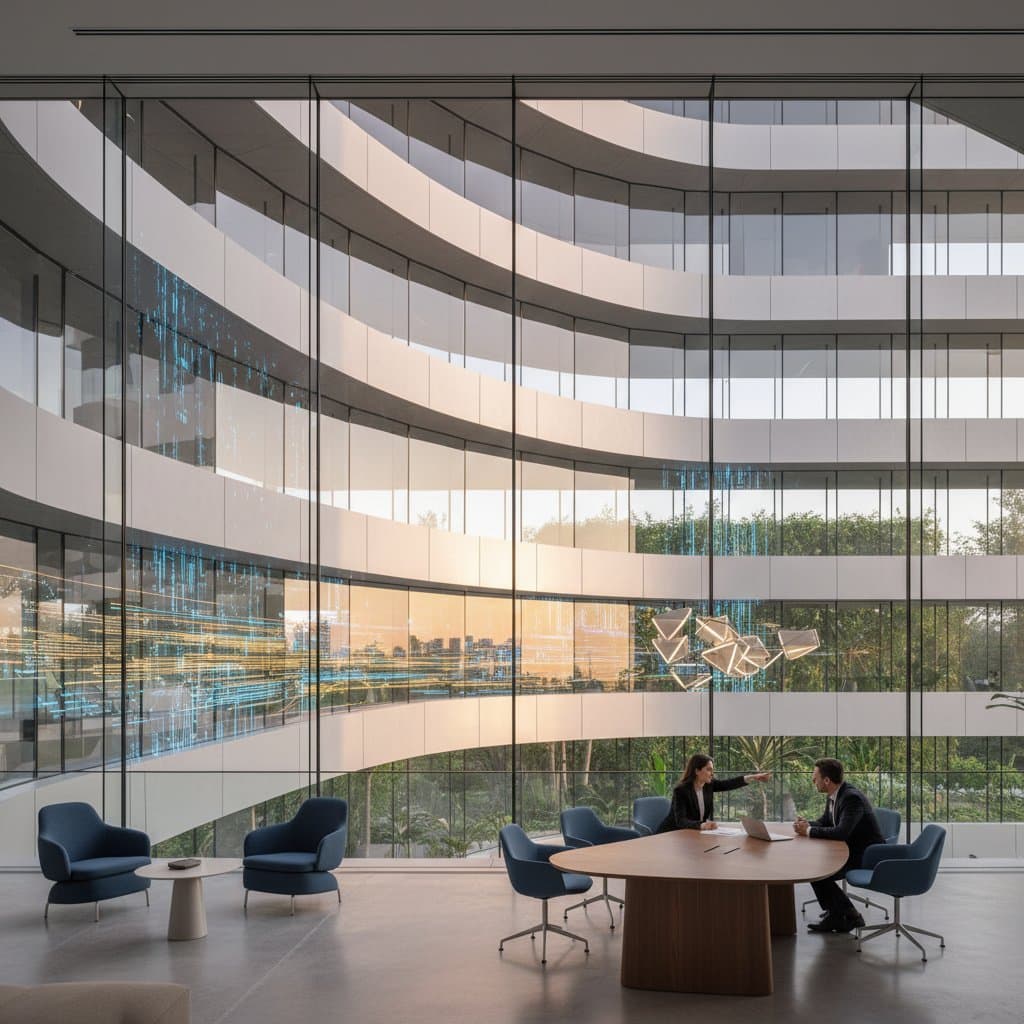
Why Digital Waves Define Parametric Facade Design
Picture a building facade that shifts with the changing sunlight. Shadows dance across its surface, creating patterns reminiscent of waves on water. This effect captures the essence of parametric facade design, which merges architectural structure with artistic movement. The facade appears to respond to its surroundings in real time.
Parametric design extends beyond aesthetics to encompass performance and user experience. Digital waves enable facades to adapt intelligently to environmental conditions. These designs surpass traditional fixed surfaces by incorporating responsiveness and expressiveness.
The Pulse of Parametric Thinking
Parametric design focuses on interdependencies rather than isolated forms. Architects establish parameters in digital models that dictate form behavior. An adjustment to one element triggers immediate updates throughout the model. This method resembles logical sculpting more than manual shaping.
Designers gain extensive flexibility through this system. They simulate solar paths, wind dynamics, and thermal expansions on the facade. Algorithms process this input to refine the design based on measurable outcomes rather than intuition alone.
The strength of parametric design rests in its adaptability. Facades interact with their environment by modulating light, airflow, and visual elements. This creates surfaces that evolve with natural and human influences.
Digital Waves as the Driving Force
Digital waves describe the streams of data that propel architectural innovation. These data flows shape every aspect of a parametric facade, from curves to textures.
Such waves might encode sound patterns, solar exposure, or crowd movements. Designers convert these variables into geometric forms that appear natural yet follow strict computational rules. Examples include facades with panels that adjust for thermal control or undulate based on acoustic inputs. Each feature contributes to a cohesive system inspired by natural patterns.
From Algorithm to Architecture
The transition from concept to construction follows a structured sequence.
-
Concept Generation
Teams define primary objectives, such as glare reduction, enhanced ventilation, or rhythmic visual appeal. -
Parameter Setting
Key factors like solar angles, material properties, and load limits form the algorithmic framework. -
Algorithmic Modeling
Tools such as Grasshopper integrated with Rhino allow real-time testing of parameter impacts on form and function. -
Fabrication Data Creation
The finalized model produces detailed instructions for manufacturing, guaranteeing precise assembly. -
Material Realization
Selections like etched aluminum, flexible ETFE cushions, or low-emissivity glass translate digital visions into physical elements with specific optical and thermal qualities.
This progression unites computational power with material expertise. Parametric facades emerge from virtual simulations yet perform reliably in physical settings.
The Human Connection
Data-centric processes yield outcomes that resonate emotionally. Parametric facades stimulate visual and tactile senses through light modulation and pattern variations.
Observers notice transformations as they approach, with facades altering based on viewpoint or lighting conditions. This dynamism elevates buildings from inert structures to engaging environments.
Architects calibrate these effects deliberately. Parameters for panel density, protrusion depth, or surface sheen enable tailored atmospheres, from serene to vibrant, suited to site demands.
Sustainability Through Smart Geometry
Digital waves enhance not only form but also operational efficiency. Parametric facades optimize energy use by fine-tuning shading, air circulation, and natural illumination.
Algorithms analyze seasonal solar trajectories to generate shading profiles. Deeper protrusions block excess sun in peak hours, while open sections maximize beneficial light. These adjustments lessen dependence on mechanical systems for heating and lighting.
In arid regions, facades incorporate adjustable louvers to curb solar heat. In temperate zones, curved forms harvest passive solar gain. Such strategies merge aesthetic refinement with ecological stewardship.
Challenges and Considerations
Advanced designs introduce practical hurdles. Expenses fluctuate with material complexity and production techniques. Although modeling streamlines ideation, bespoke fabrication elevates construction budgets.
Engineers must verify compliance with structural standards, including wind resistance and fire ratings for dynamic components. Multidisciplinary collaboration ensures digital models align with on-site realities.
Regulatory approvals often necessitate detailed justifications, as parametric elements may deviate from conventional norms. Engaging specialists familiar with these technologies facilitates project success.
Where Digital Meets Craft
Parametric facade design bridges computational tools and artisanal skills. Algorithms provide the blueprint, but designers select influential parameters and their interrelations.
Fabricators apply expertise to execute these directives, converting numerical data into durable constructs. This collaboration infuses precision with creative insight.
The outcome balances technical rigor and expressive warmth. Architecture gains the ability to adapt to external forces while fostering human connections.
Integrating Dynamic Facades into Projects
Urban landscapes increasingly feature parametric elements, enriching cityscapes with responsive identities. These facades echo local climates and community vitality.
For initiatives prioritizing innovation and efficiency, parametric approaches offer versatile solutions. They position architecture as an evolving entity, harmonized with its physical and social context.
Digital waves establish a foundational paradigm for form, function, and interaction in modern design.