
Wabi-Sabi's Enduring Appeal in 2026 Interiors
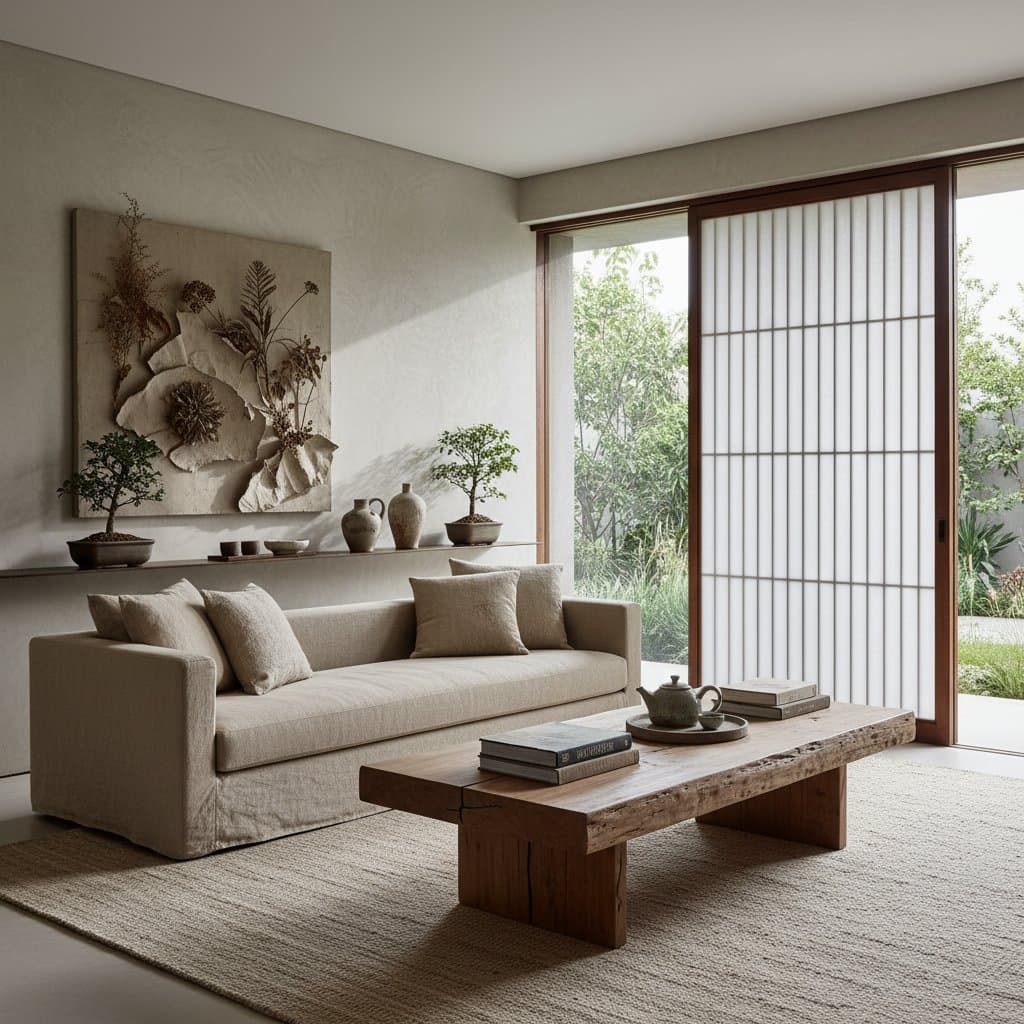
Imagine entering a room where subtle imperfections invite tranquility. Textured walls bear faint brush marks, aged wood surfaces reveal years of gentle use, and soft light diffuses through sheer fabrics. This harmonious blend embodies Wabi-Sabi, a Japanese aesthetic that values impermanence, simplicity, and the intrinsic beauty of the incomplete.
Understanding Imperfection as Strength
Homeowners increasingly seek respite from sterile uniformity. Wabi-Sabi encourages appreciation for elements that evolve naturally, such as a ceramic vase with an asymmetrical form or a stone countertop etched by daily contact. These features convey authenticity and invite personal narratives into the space.
The philosophy distinguishes itself from intentional disarray by emphasizing intentional restraint. Natural patinas on metal fixtures or faint cracks in plaster contribute to a layered depth. Such details create environments that feel alive and responsive to human presence.
Aligning Wabi-Sabi with Contemporary Living
Modern lifestyles often prioritize efficiency, yet they can leave homes feeling impersonal. Wabi-Sabi counters this by integrating emotional resonance into design. It builds on minimalism's foundation while introducing tactile warmth through organic forms and subdued palettes.
This approach resonates because it prioritizes enduring quality over fleeting trends. Select pieces that gain character through use, like wool rugs that soften or linen upholstery that fades subtly. The result is a residence that supports reflection and reduces the urge for frequent renovations.
Building a Wabi-Sabi-Inspired Interior
Adopting Wabi-Sabi requires mindful curation rather than overhaul. Focus on elements that enhance serenity and longevity, adaptable to various home sizes and financial plans.
1. Incorporate Evolving Natural Elements
Prioritize substances that mature gracefully, including timber, mineral surfaces, and plant-based fibers. Reclaimed oak planks for cabinetry develop richer hues over seasons, while unglazed terracotta tiles absorb ambient moisture to form unique patterns.
- Install salvaged barn wood for accent walls or built-in storage.
- Opt for artisan-forged iron hardware that acquires a mellow sheen.
- Layer jute or hemp rugs that respond to foot traffic with softened edges.
These choices ensure the interior narrates its own history through gradual transformation.
2. Introduce Handcrafted Textures
Replace uniform finishes with those showing artisanal traces. Apply limewash to ceilings for a breathable, mottled effect, or select hand-planed doors with visible grain variations. Such surfaces add dimension without overwhelming the senses.
In kitchens, consider soapstone sinks that darken from use, or in bathrooms, pebble mosaics with irregular placements. These imperfections foster a sense of continuity between the home and its inhabitants.
3. Cultivate Intentional Sparseness
Clarity emerges from selective editing. Retain only items that hold personal significance, such as a inherited brass lamp or a single woven basket. This practice allows architectural lines to emerge, promoting visual calm.
- Arrange vignettes on mantels with three to five meaningful artifacts.
- Use low-profile furniture to emphasize floor textures.
- Incorporate built-in niches for displaying evolving collections.
Such restraint amplifies the impact of each chosen piece.
4. Integrate Organic Connections
Bridge indoor and outdoor realms with living accents. Position potted ferns near windows to cast dappled shadows, or arrange river rocks in shallow bowls as centerpieces. These elements introduce vitality and seasonal rhythm.
Allow natural illumination to guide daily moods, from golden dawn tones to twilight softness. Simple arrangements, like dried grasses in a bamboo container, evoke the transient beauty of nature.
5. Honor Restoration Practices
Draw inspiration from kintsugi, where fractures in ceramics receive golden accents to celebrate resilience. Extend this to household repairs: patch denim cushions with contrasting threads or restore a vintage sideboard with natural oils.
Repurpose discarded items, such as turning old crates into shelving. Each intervention reinforces the value of continuity and thoughtful stewardship.
Key Factors in Wabi-Sabi Implementation
Thoughtful execution balances aesthetics with functionality. Address these elements to ensure a seamless integration.
Budgeting and Sourcing
Initial adjustments, like swapping hardware or adding textiles, remain affordable under $500 per room. Comprehensive updates involving structural elements may range from $2,000 to $10,000, depending on material scarcity.
Invest in foundational aspects such as ambient lighting fixtures or durable flooring. These components enhance usability and atmospheric quality over time.
Upkeep and Durability
Organic materials demand periodic attention to preserve their appeal. Dust linen drapes gently and apply beeswax to wooden accents seasonally. Wrinkles in fabrics or scuffs on surfaces contribute to the evolving narrative.
This care routine strengthens bonds with the space, yielding patinas that enhance rather than diminish.
Regulatory and Expert Guidance
For modifications like installing exposed beams, review zoning codes for compliance. Engage specialists familiar with heritage techniques to avoid common pitfalls.
Platforms like Doric South connect users with qualified professionals who prioritize genuine materials and methods.
The Psychological Comfort of Wabi-Sabi
Spaces aligned with Wabi-Sabi promote emotional ease by mirroring life's natural flux. Uneven slate hearths or faded kilim throws signal acceptance, easing mental burdens.
Apply this in restful zones: opt for undyed cotton bedding in living rooms or irregular quartz vanities in baths. The overall effect cultivates a nurturing atmosphere that encourages presence.
Adapting to Regional Influences
Wabi-Sabi adapts fluidly to local climates. In warmer southern areas, breathable lime plasters regulate humidity, while ceiling fans over jute mats promote airflow.
Source regionally, such as cypress woods or seashell inlays, to embed cultural resonance. This grounding ties the design to its environment.
Harmonizing Restraint with Invitation
Concerns about austerity dissolve through sensory layering. Employ ochre-tinted clays over stark neutrals, or limestone with natural fissures instead of engineered stone.
Combine these with ambient elements like wool throws or ceramic diffusers. The interplay maintains approachability while upholding simplicity.
Experiencing Wabi-Sabi in Routine
Integrated fully, Wabi-Sabi elevates everyday moments. Observe how afternoon sun warms clay vessels or how polished stones hold evening reflections.
Incorporate habits like arranging fresh herbs weekly or sanding minor wear on thresholds. These actions deepen appreciation for the home's quiet evolution.
Steps to Initiate Your Transformation
Begin modestly by reimagining a single area, such as a reading nook with thrifted linens and a potted olive branch. Assess existing possessions for retention, then introduce one or two complementary pieces.
This incremental method builds confidence and reveals the profound calm that arises from embracing what is real and imperfect.