
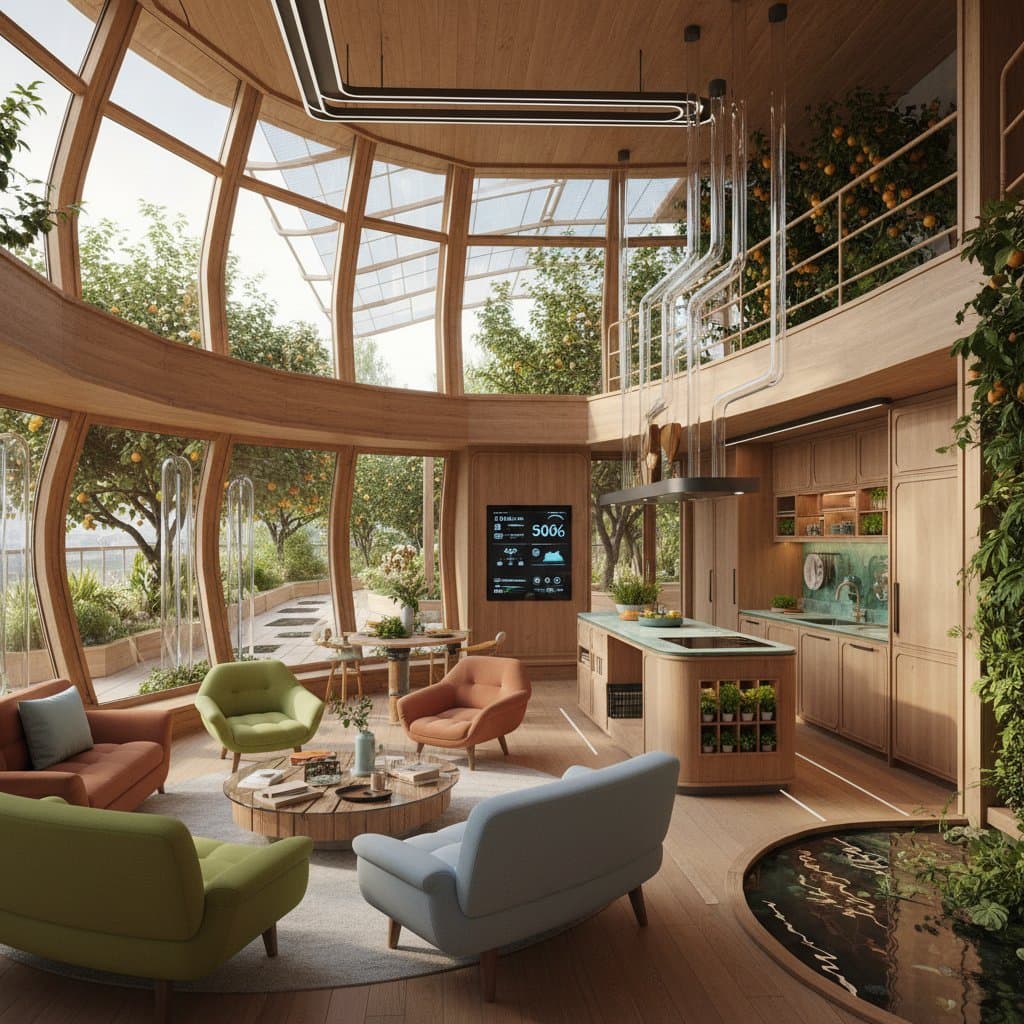
Understanding Solarpunk Homes: Sustainable Living by 2026
Imagine a neighborhood where homes harmonize with their surroundings, generate their own power, and produce portions of their food. This vision draws closer to reality through solarpunk principles. These homes enable comfortable living powered by clean energy, minimal waste, and preserved natural beauty.
Homeowners increasingly adopt these concepts by incorporating eco-friendly materials, solar installations, and efficient water management. The objective remains straightforward: design environments that complement nature rather than compete with it.
Defining Solarpunk for Modern Homes
Solarpunk extends beyond aesthetic trends to represent a philosophy of environmental harmony. It envisions communities that prosper without ecological damage. Such homes combine forward-thinking elements with welcoming atmospheres, incorporating abundant greenery, natural illumination, and functional innovations like rooftop gardens, solar-integrated roofing, repurposed materials, and layouts that maximize daylight.
Significant investment proves unnecessary to initiate changes. Individuals often commence with solar panel additions or rainwater harvesting setups. More ambitious projects involve constructing residences from renewable or recycled resources. The emphasis lies on decisions that lessen environmental impact while enhancing livability and visual appeal.
Essential Elements of Solarpunk Design
To incorporate solarpunk into a residence, concentrate on energy, materials, and architectural integration. These components form the foundation of effective implementation.
-
Renewable Energy Sources
Solar panels serve as the primary option, supplemented by compact wind turbines or geothermal heating in suitable locations. For a standard three-bedroom home, a complete solar array typically ranges from $10,000 to $20,000 after federal and state incentives. This investment recoups through substantial reductions in electricity costs, often within five to seven years. -
Eco-Friendly Materials
Construction prioritizes renewable, recycled, or regionally available substances. Examples include bamboo flooring for durability, reclaimed timber for structural elements, and earthen plasters for interior walls. These choices maintain cooler indoor temperatures, minimize reliance on petrochemical-based products, and provide enduring aesthetic value. -
Biophilic Integration
Vegetation integrates directly into the building fabric. Vertical gardens with climbing vines offer insulation, while rooftop herb plots yield fresh produce. Indoor green features, such as living partitions, enhance air purification and thermal regulation without mechanical aids. -
Efficient Water Management
Systems capture rainwater in storage cisterns, recycle greywater for irrigation, and employ low-flow plumbing. A comprehensive setup for an average household conserves up to 50,000 gallons annually. Initial installation costs $2,000 to $5,000, with potential halving of water utility expenses over time. -
Passive Architectural Strategies
Orientation and form optimize solar gain and ventilation. Large south-facing glazing captures winter warmth, overhangs provide summer shade, and cross-breezes reduce reliance on HVAC systems. These elements maintain year-round comfort with minimal energy input.
Pathways to Solarpunk Implementation
Approaches to solarpunk adoption vary between ground-up construction and incremental modifications to current properties.
New Construction Approaches
For fresh builds, collaborate with architects experienced in green methodologies. Key considerations include:
- Site Orientation: Align the structure to capture optimal sunlight and prevailing winds, potentially reducing heating needs by 30 percent.
- Local Material Procurement: Source components within 100 miles to cut transportation emissions and support regional economies.
- Integrated Renewables: Select systems matched to site specifics, such as south-facing solar arrays or ground-source heat pumps.
- Communal Elements: Incorporate shared amenities like cooperative gardens or microgrids to distribute costs and benefits.
This method allows comprehensive customization for efficiency and harmony, though initial expenses exceed $300 per square foot. Long-term gains in operational savings and durability offset these outlays.
Retrofitting Existing Structures
Modifications to present homes require no full demolition. Begin with accessible enhancements:
- Transition to LED lighting throughout, which slashes energy use by 75 percent compared to incandescents.
- Deploy programmable thermostats that adjust settings based on occupancy, yielding 10 to 15 percent savings on heating and cooling.
- Mount rooftop solar panels or install solar thermal collectors for hot water, with payback periods under eight years.
- Cultivate vertical or container gardens on available surfaces to boost biodiversity and provide homegrown yields.
- Apply low-VOC paints and natural sealants to eliminate harmful emissions while refreshing interiors.
These interventions cost under $5,000 total and deliver measurable ecological and financial returns swiftly.
Advantages and Challenges of Solarpunk Adoption
Solarpunk principles inspire transformation, yet practical hurdles exist. Balanced awareness aids informed decision-making.
Key Benefits:
- Reduced energy expenditures through on-site generation and efficiency.
- Improved indoor environmental quality via natural filtration and ventilation.
- Durable, low-maintenance materials that extend lifespan and curb landfill contributions.
- Enhanced well-being from biophilic connections to the outdoors.
- Increased property appeal, with green certifications boosting market value by up to 7 percent.
Potential Drawbacks:
- Elevated initial investments for advanced systems and materials.
- Ongoing upkeep for vegetative components, such as pruning and irrigation.
- Regional constraints on supply chains for specialized products.
- Regulatory requirements, including zoning approvals for installations.
Despite obstacles, adopters frequently cite greater contentment and resilience as rewards that surpass efforts.
Practical Considerations for Budget and Execution
Effective projects hinge on fiscal and logistical foresight. Establish parameters to ensure feasibility:
- Energy Installations: Explore incentives like the federal solar tax credit, which covers 30 percent of costs, or subscription-based community solar for renters.
- Vegetated Features: Allocate $500 annually for upkeep of green roofs; consult local experts on native plant selections for low-water designs.
- Regulatory Compliance: Engage building authorities at the outset to navigate permits, which may add 4 to 6 weeks to timelines.
- Project Phasing: Tackle minor upgrades over weekends; comprehensive overhauls span 3 to 12 months depending on scope.
Select contractors with verified sustainable portfolios. Demand detailed proposals outlining materials, labor, and warranties to prevent overruns.
Extending Solarpunk to Community Scales
Solarpunk thrives in collective contexts. Neighborhood initiatives often feature interconnected solar networks, centralized composting, and joint green spaces. Participation in such efforts distributes expenses—for instance, shared solar yields 20 percent lower per-unit costs—and fosters skill-sharing.
Initiate collaborations through local workshops or tool-lending libraries. Observable successes, like collective bill reductions or abundant harvests, encourage broader involvement and accelerate regional sustainability.
Integrating Solarpunk into Daily Life
To realize solarpunk ideals, select an initial action aligned with resources. Consider adding a solar-powered outdoor light, sourcing secondhand furniture, or installing a basic composting bin. Progressive refinements accumulate toward a resilient, harmonious residence.
This adaptable framework empowers personalization, merging practicality with environmental stewardship for enduring fulfillment.