
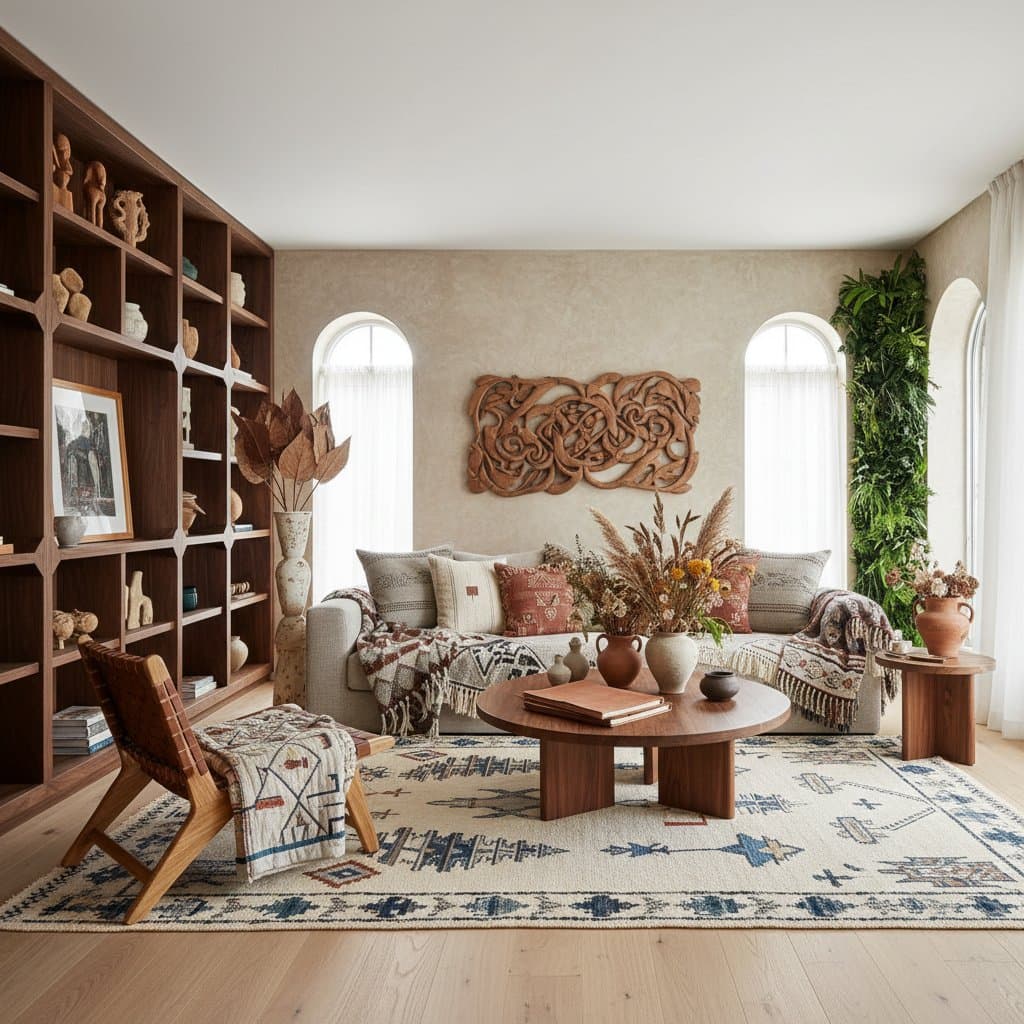
Handcrafted Details Reshape 2026 Home Interiors
Consider entering a home where every element conveys a sense of human artistry. This distinctive quality arises not from extravagant spending or expansive layouts, but from the subtle marks of skilled hands. Such an atmosphere fuels the current evolution in interior design. Homeowners increasingly favor artisan-crafted items over standardized furnishings and uniform surfaces, embracing custom woodwork, varied tiles, and regional accents that narrate unique stories.
Understanding the Rise of Artisan-Maximalism
Artisan-maximalism merges exceptional craftsmanship with bold personal expression. This approach departs from the stark minimalism prevalent in prior years, favoring vibrant hues, tactile surfaces, and distinctive patterns. View it as a deliberate push against uniformity in design. Rather than polished, machine-finished elements, interiors now showcase intricate carvings, interlaced fibers, and multifaceted motifs.
The appeal lies in its dual focus on personalization and environmental responsibility. Select fewer, high-quality piecesartisans who prioritize excellence. For instance, a ceramic basin shaped by a local potter or a dining table assembled in a nearby workshop carries a premium price initially. Yet, these durable creations outlast factory equivalents and infuse spaces with irreplaceable character.
The Value of Incorporating Handcrafted Elements
Handcrafted features introduce genuine warmth and authenticity to living areas. The minor irregularities in a molded tile or the natural patterns in a bespoke timber beam evoke the presence of its creator. This connection fosters emotional depth. Moreover, such choices distinguish your residence from neighboring properties, creating a thoughtfully assembled environment that reflects daily life.
Practical advantages extend beyond aesthetics. Artisans typically employ superior materials and time-tested methods. A wardrobe constructed by a regional woodworker withstands generations of use, whereas an inexpensive assembly-line counterpart may fail prematurely. This longevity translates to cost savings and minimized environmental impact over time.
Incorporating Handcrafted Elements into Your Space
Embracing this style requires no comprehensive overhaul. Begin with modest changes and expand gradually. The following strategies allow integration across various rooms, enhancing appeal without overwhelming effort.
-
Enhance the kitchen with tactile accents. Opt for forged iron drawer handles in place of standard knobs. Select artisanal tiles featuring natural glazes and slight variations, which cost only marginally more per unit yet transform the room's ambiance dramatically.
-
Introduce layered lighting options. Seek out fixtures crafted from braided natural fibers, molded earthenware, or upcycled glass. These provide diffused illumination that complements the space and invites discussion among guests.
-
Incorporate bespoke fabrics. Choose drapery or cushions woven by skilled textile artists, available through community workshops or specialized e-commerce platforms. Customization in shade and design ensures seamless integration.
-
Invest in a signature custom item. Commission a central table, sculptural artwork, or washstand tailored to your dimensions and preferences. The elevated expense yields a perennial focal point aligned precisely with your vision.
-
Balance contemporary and traditional pieces. Pair sleek modern seating with artisanal ornaments. This juxtaposition accentuates each element, maintaining relevance while rooting the design in heritage.
Weighing Advantages and Challenges
Evaluate both benefits and drawbacks before committing fully.
Advantages:
- Distinctive, irreplaceable aesthetic
- Patronage of regional creators and independent enterprises
- Superior construction and raw materials
- Enhanced emotional bond with your surroundings
Challenges:
- Elevated initial investment
- Extended timelines for bespoke production
- Occasional need for specialized maintenance
Despite these considerations, most residents deem the investment justified. Purchasing handcrafted goods prioritizes enduring excellence and significance over transient bargains.
Strategizing for Successful Implementation
For renovations or new constructions incorporating these elements, initiate planning promptly. Artisanal production demands time; a wood artisan or tile specialist might require four to eight weeks for conceptualization and fabrication. Allocate 10 to 20 percent of your overall budget to these features, ensuring feasibility without strain.
Regulatory approvals rarely impact non-structural additions. Consult your builder to confirm compliance for significant alterations. Simpler updates often permit self-installation using everyday tools and careful execution.
Source materials locally whenever possible. Community ateliers or seasonal fairs often showcase creators' portfolios. Engaging directly with the maker enriches the experience and provides insights into upkeep, restoration, or modifications.
Embracing the Everyday Impact of Artisanal Living
As handcrafted items populate your home, observe the subtle shifts in perception. These objects promote mindful habitation, heightening awareness of surrounding textures and the labor invested in their formation.
Artisan-maximalism celebrates imperfection as a hallmark of authenticity. It cultivates patience, respect for expertise, and joy in skilled creation. From a solitary accent to a comprehensive infusion, these choices elevate daily routines into moments of lasting appreciation.