
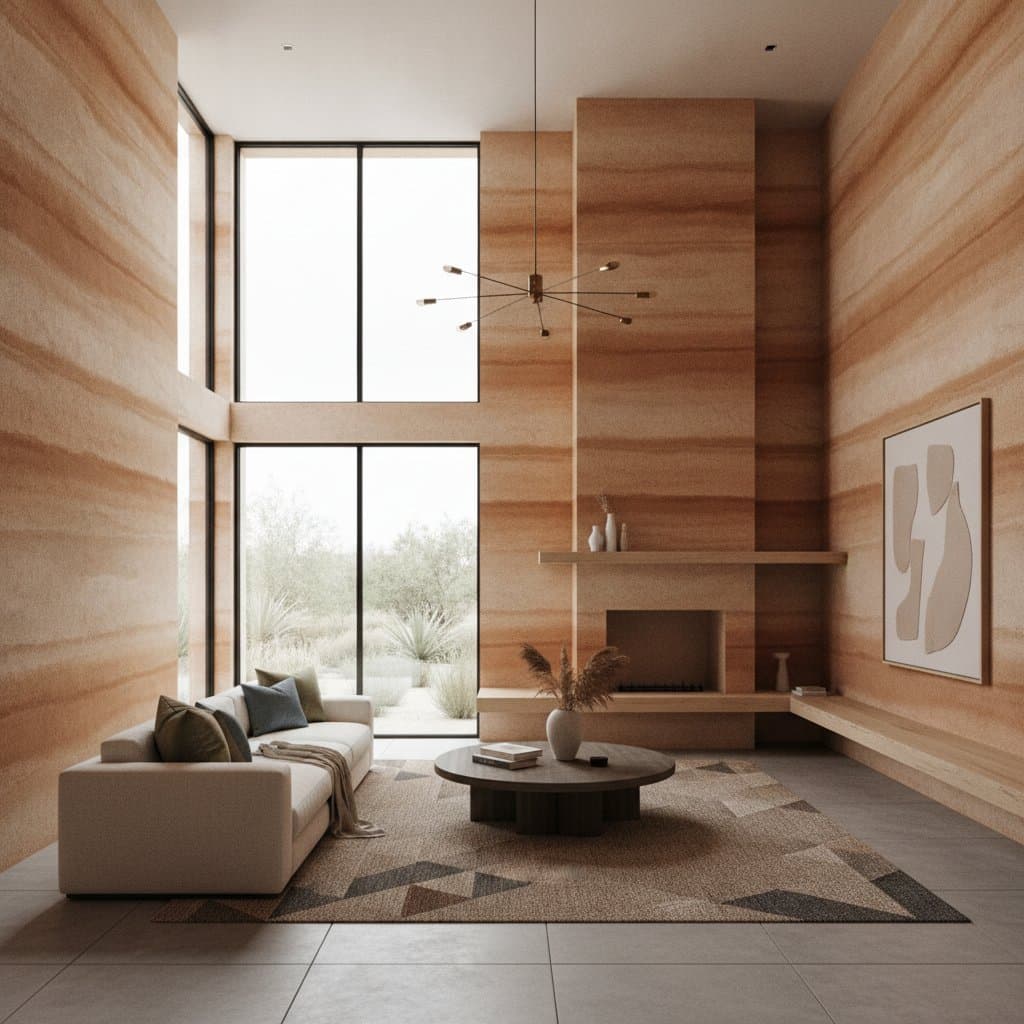
Why Rammed Earth Walls Keep Homes Cool and Quiet
Rammed earth construction offers a distinctive approach to building that blends natural materials with high performance. Walls formed from compacted soil deliver steady interior temperatures and effective sound isolation. Homeowners and builders increasingly consider this method for projects that value durability alongside environmental responsibility.
Composition and Construction Process
Builders create rammed earth walls by mixing local soil with stabilizers such as cement or lime. They place the mixture into temporary formwork and compact it in layers with pneumatic or manual tampers. Once cured, the forms come off to reveal solid, monolithic surfaces that require little additional finishing.
The thickness of these walls typically ranges from 12 to 24 inches. Greater mass improves both structural capacity and thermal regulation. Soil selection matters. Mixtures with balanced clay, sand, and gravel content produce the strongest and most stable results.
How Thermal Mass Regulates Temperature
Rammed earth stores heat during the day and releases it slowly at night. This thermal mass effect reduces temperature swings inside the home. In warm climates the walls absorb excess heat, which lowers cooling loads during peak afternoon hours.
Proper orientation and shading enhance performance. Overhangs and strategic window placement prevent unwanted solar gain while still allowing winter sun to reach the walls. Mechanical systems can be smaller because the building fabric itself moderates indoor conditions.
Sound Isolation Characteristics
The density of rammed earth limits airborne sound transmission. STC ratings often exceed 50 for walls 14 inches thick or greater. Residents notice reduced noise from traffic, neighbors, and household activities.
Joints and openings require careful detailing. Sealed window frames and door thresholds maintain acoustic performance. Interior partitions built from the same material further improve overall sound control throughout the dwelling.
Durability and Maintenance Requirements
Properly stabilized rammed earth resists weathering and requires minimal upkeep. Exterior surfaces may receive a breathable sealer or lime wash for added protection in harsh climates. Interior walls often remain unfinished to showcase the natural strata left by the ramming process.
These walls also provide inherent fire resistance and do not support mold growth when kept dry. Their longevity compares favorably with concrete or masonry construction when detailing prevents prolonged moisture exposure.
Cost and Project Planning Factors
Initial expenses exceed those of conventional framed walls because of labor and formwork. Regional soil testing and mix design add to early-stage costs. Long term energy savings and low maintenance offset part of the premium.
Engage an experienced designer or engineer early. Soil analysis, structural calculations, and climate specific detailing determine feasibility. Some jurisdictions offer incentives for projects that meet green building standards.
Integration With Modern Design
Rammed earth pairs well with contemporary aesthetics. Large format glazing contrasts with the textured walls to create visual interest. The material works equally well in single story residences and multistory structures when reinforcement is added.
Hybrid approaches combine rammed earth with timber framing or steel. Such combinations allow for open floor plans while preserving the thermal and acoustic benefits in key areas of the home.