
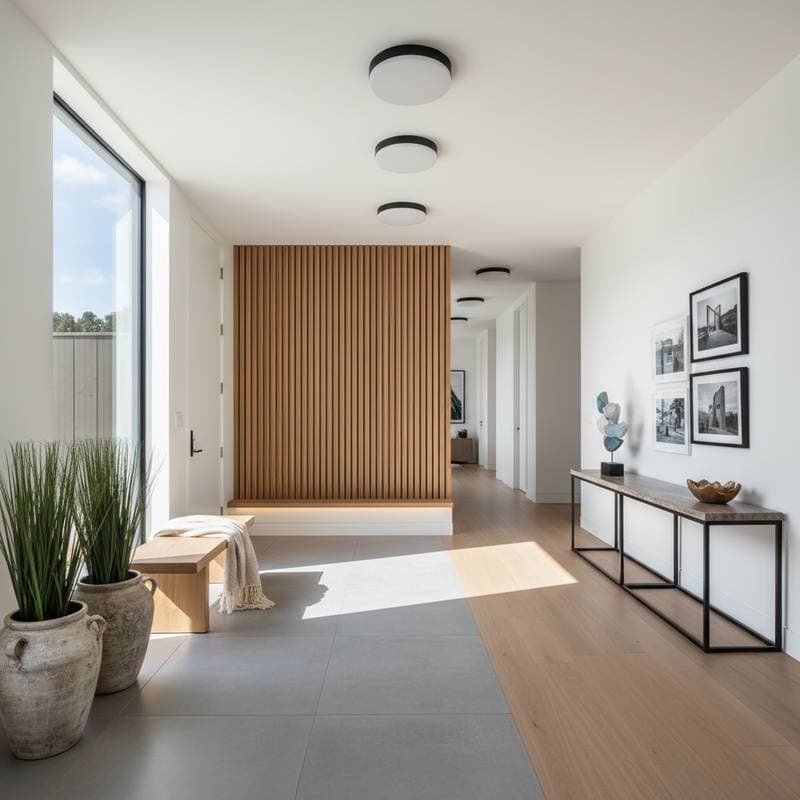
The Transformative Power of Liminal Spaces in Home Design
Hallways, porches, and entryways serve as more than mere passages between rooms. Designers increasingly recognize these liminal spaces as vital elements that influence overall home functionality and atmosphere. By integrating intentional features, these areas expand perceived space and promote a harmonious living experience.
Liminal spaces represent the thresholds between distinct zones, such as a foyer leading to a living area or a mudroom adjacent to the kitchen. They guide movement and set the tone for adjacent rooms. Effective design in these zones enhances connectivity, making homes feel open and unified.
Homeowners often prioritize primary rooms like kitchens and bedrooms, neglecting transitional areas. This oversight limits the home's potential for fluidity. Addressing these spaces requires minimal investment yet yields significant improvements in comfort and spatial dynamics.
Unlocking Potential in Transitional Zones
Consider a front porch that welcomes guests with subtle lighting and textured flooring. Such elements create an inviting entry that extends the home's boundary outward. Similarly, a hallway with varied ceiling heights can evoke a sense of progression, drawing the eye forward.
These zones influence daily navigation and emotional response. A cluttered entryway may induce stress upon arrival, while a serene corridor promotes relaxation. Designers emphasize that liminal spaces shape the home's narrative, turning routine passages into meaningful experiences.
The opportunity lies in reimagining these areas as active contributors to design. For instance, incorporating reflective surfaces in a narrow hallway can bounce light deeper into the home, countering feelings of confinement. This approach requires assessing current layouts to identify quick enhancements.
Enhancing Flow Through Liminal Design
Seamless transitions characterize well-crafted homes, where one space naturally evolves into the next. Liminal design facilitates this by softening boundaries and aligning visual cues. The result is a cohesive environment that feels purposeful and expansive.
Energy circulates more freely with open thresholds and layered lighting. Soft glow from overhead fixtures or LED strips reduces stark contrasts, allowing rooms to blend visually. This technique prevents the disjointed feel of abrupt room divisions.
Zoning occurs without physical barriers through material shifts. Transitioning from hardwood in the living room to cork in the adjacent hallway signals a change in function while maintaining sightlines. Variations in ceiling height, such as a lowered beam over a passageway, further delineate spaces subtly.
Moments of respite emerge in thoughtful pauses. A built-in bench in an entryway or vertical garden along a corridor offers brief interludes. These features encourage mindfulness, easing the shift from outdoor bustle to indoor calm.
Actionable Strategies for Incorporating Liminal Elements
Implementing liminal design begins with accessible modifications that align with existing architecture. Focus on elements that amplify light, texture, and connectivity without structural overhauls.
Illuminate pathways strategically to guide and expand perception. Install dimmable wall sconces in hallways to cast warm shadows that soften edges. In porches, sheer curtains diffuse natural light, creating a gentle veil between exterior and interior worlds.
Introduce textural contrasts to mark transitions subtly. Lay a sisal runner in an entryway to contrast with polished concrete floors, providing tactile feedback. Shift wall colors gradually, from cool blues in living areas to warmer neutrals in connecting corridors, to evoke emotional progression.
Integrate organic materials for a biophilic connection. Potted ferns along a mudroom wall or reclaimed wood paneling in thresholds link indoor and outdoor realms. Stone accents in flooring near doors ground the space, fostering stability and flow.
Curate views to direct attention purposefully. Architrave molding around doorways frames glimpses of gardens or cozy nooks beyond. Strategic window placements in transitional zones, like clerestory lights above hallways, flood interiors with daylight and heighten spatial depth.
These adjustments accumulate over time, allowing experimentation. Start with one area, such as updating entry lighting, to observe impacts on daily movement before expanding.
Balancing Benefits and Challenges
Liminal design offers clear advantages for modern living. It cultivates tranquility by smoothing spatial shifts, reducing the mental effort required to navigate the home. Enhanced flow supports intuitive routines, from morning coffee transitions to evening wind-downs.
Property appeal increases as these updates signal thoughtful craftsmanship. Prospective buyers notice seamless connectivity, which can elevate market value through perceived spaciousness. Many enhancements, like paint and fixtures, remain budget-friendly, often under five hundred dollars per zone.
Challenges arise in maintaining harmony. Ensuring consistent aesthetics across transitions demands coordinated selections, such as matching hardware finishes. Excessive openness might compromise privacy in shared homes; consider sliding panels for flexible screening.
Costs vary by scope; basic lighting runs low, while custom millwork escalates expenses. Overly fluid layouts risk diluting room identities, so anchor key areas with focal points like artwork or furniture. Balance prevents chaos, preserving both openness and intimacy.
Planning Your Liminal Updates
Evaluate your home's current transitions to prioritize interventions. Map pathways and note pain points, such as dim corners or abrupt material changes. Set a budget that accommodates tools, materials, and potential professional input.
Minor tweaks like rearranging furniture or adding mirrors require only a weekend. For electrical work, such as new outlets for lamps, consult licensed electricians to ensure safety. Structural alterations, including removing non-load-bearing walls, necessitate code compliance and permits.
Source materials from local suppliers for quality assurance. Test samples in situ to verify how light interacts with textures. Document progress with photos to track evolution and refine future decisions.
Experiencing the Impact of Intentional Transitions
Viewing the home through a liminal lens reveals interconnected possibilities. Daylight filtering through a revamped hallway alters time perception, while textural shifts influence tactile comfort. These nuances enrich habitation, turning spaces into extensions of well-being.
Begin with a single threshold, perhaps the main entry, and monitor shifts in routine. Does the updated flow ease commutes or gatherings? Incremental changes build momentum, inviting further exploration.
Ultimately, liminal design honors the home's rhythm. It transforms overlooked passages into assets that amplify livability, fostering environments that adapt and inspire over time.