
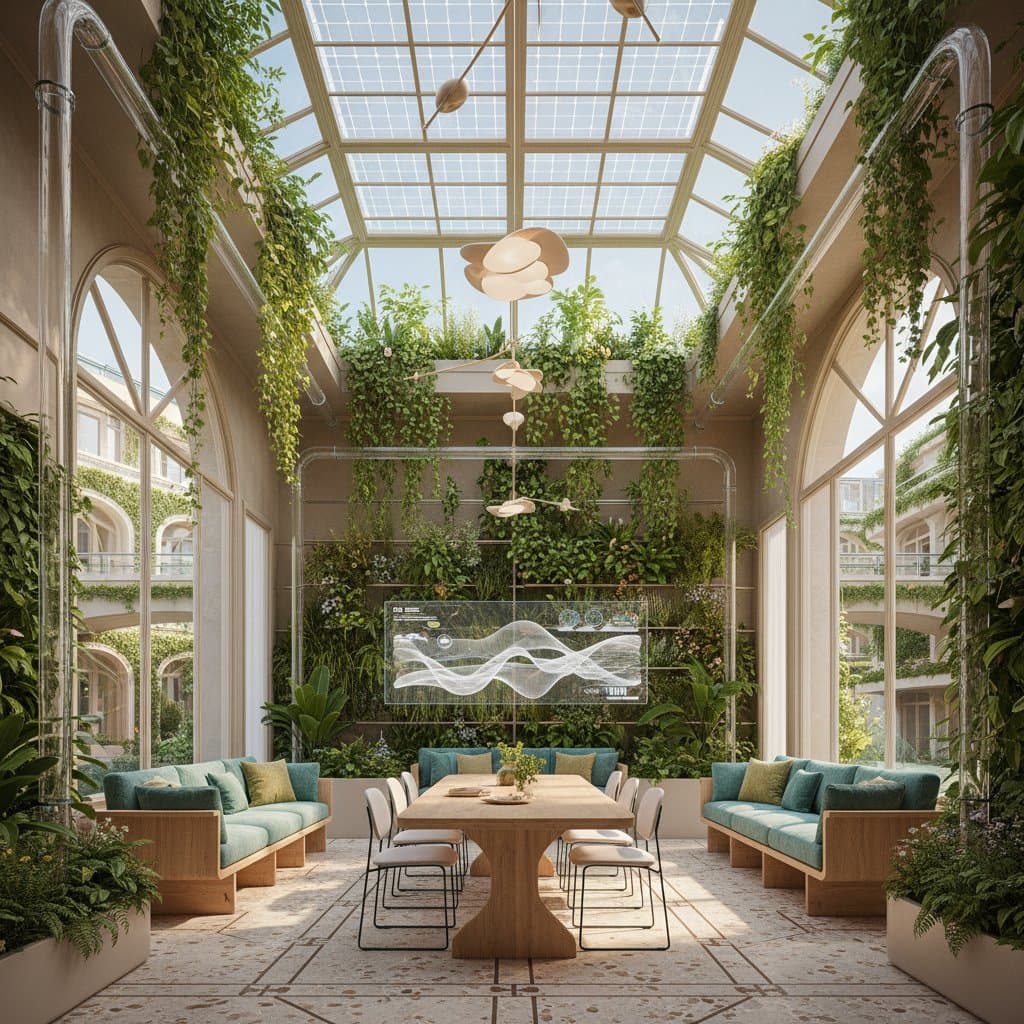
Solarpunk Design: Eco-Futurism's Optimistic Vision
Imagine walking through a neighborhood where every rooftop glitters with solar panels, vines climb walls, and community gardens line the sidewalks. The air feels cleaner, and the buildings seem alive. This scene represents a growing design movement that merges sustainability with beauty and optimism. Solarpunk design provides a practical yet imaginative approach that redefines how people build, live, and think about the shared future.
A New Kind of Design Challenge
Many homeowners feel caught between two extremes. High-tech smart-home trends often depend on expensive materials and complex systems. Rustic, back-to-basics approaches may sacrifice comfort or convenience. Solarpunk design offers a middle path that envisions a future where technology and nature coexist.
Homes produce their own energy, materials remain local and renewable, and communities support one another. The challenge lies not in a lack of interest but in knowing where to begin. Solarpunk ideas may sound abstract or idealistic, yet they translate into concrete design choices that any homeowner can implement. The goal involves creating spaces that function efficiently, restore well, and benefit both residents and the environment.
What Solarpunk Design Really Means
Solarpunk serves as part design philosophy and part social movement. It draws from modern architecture, permaculture, renewable energy engineering, and urban planning. The aesthetic features bright, green elements filled with natural textures. Consider glass walls that open to lush courtyards, solar-powered lighting, reclaimed wood furniture, vertical gardens, and water-collection systems that function as sculptural features.
At its core, solarpunk embodies optimism. It envisions a future where sustainable living becomes the norm rather than a burden or luxury. This approach avoids sacrifice. Instead, it focuses on designing smarter, using fewer resources, and finding beauty in balance.
High-Level Approach to Solarpunk Living
Before exploring materials and layout ideas, grasp the broad principles that shape solarpunk design:
-
Energy Independence
Homes rely on renewable sources such as solar, wind, or geothermal power. Designs maximize passive heating and cooling through strategic orientation and insulation. -
Integration with Nature
Plants form part of the building ecosystem, not mere decoration. Green roofs, living walls, and edible gardens manage water, improve air quality, and reduce heat. -
Circular Resource Use
Waste minimizes through reuse, recycling, and composting. Materials select for durability and low environmental impact. -
Community and Accessibility
Solarpunk values shared spaces, cooperative energy use, and inclusive features that accommodate all ages and abilities. -
Aesthetic Harmony
The visual style celebrates craftsmanship, organic forms, and light. Homes feel warm and human, avoiding sterility or excessive industrial elements.
These principles influence everything from single renovation projects to neighborhood plans.
Step-by-Step: Bringing Solarpunk Design Home
Small changes can shift a home toward solarpunk aesthetics and function. Follow this practical breakdown to begin.
1. Assess and Plan
Start with an energy and resource audit. Identify heat loss areas, water usage levels, and waste production amounts. This data guides priorities. For instance, sealing air leaks or upgrading insulation often yields greater impact than immediate solar panel installation.
Reimagine property elements for sustainability. A sunny patio suits a solar pergola. A bare fence supports climbing vines. A flat roof accommodates raised garden beds.
2. Focus on Renewable Energy
Solar panels provide the most direct path to energy independence. For an average home, a photovoltaic system costs between fifteen thousand and twenty-five thousand dollars before incentives. Electricity savings offset the investment over time. Properties with steady sunlight benefit from solar water heaters or small wind turbines.
Battery storage systems grow more affordable and reliable. Pairing solar panels with batteries enables nighttime or outage power use. In cloudy or wooded areas, explore community solar programs or shared renewable installations.
3. Design for Passive Efficiency
Passive design leverages the building structure to regulate temperature. Orient living spaces toward the sun for winter warmth, and employ overhangs or plantings for summer shade. High-quality windows, thermal mass walls, and natural ventilation decrease reliance on mechanical heating and cooling.
Select materials with low embodied energy, requiring minimal processing or transport. Locally sourced stone, reclaimed wood, and natural plasters lower environmental impact while adding texture and character.
4. Incorporate Green Life
Plants anchor solarpunk aesthetics. Living roofs and walls insulate naturally, absorb rainwater, and filter air. Small spaces support vertical gardens or container setups. Herbs, vegetables, and pollinator-friendly flowers combine beauty with utility.
In yards, move beyond lawn grass. Native landscaping conserves water and boosts biodiversity. Rain gardens capture runoff, while fruit trees offer shade and food. Indoors, potted plants enhance air quality and regulate humidity.
5. Manage Water Wisely
Water conservation forms a key solarpunk element. Install low-flow fixtures and dual-flush toilets. Collect rainwater from gutters into storage barrels or cisterns for garden irrigation. Greywater systems reuse sink and shower water for landscaping, reducing overall demand.
In drought-prone regions, select drought-tolerant plants and drip irrigation. Proper grading directs stormwater safely, preserving usable water.
6. Create Community Connections
A solarpunk home thrives within a network, not in isolation. Shared gardens, tool libraries, and local energy cooperatives enhance resilience and cut costs. Simple actions like seed swaps with neighbors or repair workshops strengthen bonds.
In multi-unit buildings or neighborhood associations, propose shared solar or composting programs. Municipalities often provide grants or tax credits for such initiatives.
Cost, Complexity, and Safety Considerations
Solarpunk design spans budgets and skill levels. Realistic expectations include:
-
DIY-Friendly Projects:
Small green walls, rain barrels, LED lighting upgrades, and native plant landscaping suit most homeowners. Costs range from a few hundred to a few thousand dollars based on scale. -
Moderate Projects:
Solar hot water systems, expanded insulation, and greywater setups may need professionals but fit mid-range budgets. Expenses fall between five thousand and fifteen thousand dollars. -
Major Investments:
Full solar systems, green roofs, or passive design remodels cost tens of thousands of dollars. These yield substantial energy savings and long-term value.
Verify local building codes and permits. Licensed professionals handle structural, electrical, or plumbing work. Safety remains essential, particularly for grid-connected renewable systems.
The Long-Term Payoff
Solarpunk design delivers benefits beyond reduced utility bills. Energy-efficient homes command higher resale values. Durable materials and passive systems lower maintenance expenses. Green roofs and permeable landscapes mitigate urban flooding and heat.
These spaces enhance living quality. Natural light, fresh air, and greenery support mental health and comfort. Residents gain greater awareness of surroundings and resource use.
Regional Differences and Adaptations
Solarpunk adapts to climate, geography, and local materials.
-
Hot, Sunny Regions:
Emphasize shading, ventilation, and reflective surfaces. High solar yields demand heat control. Light-colored roofs and deep overhangs maintain cool interiors. -
Cold or Cloudy Areas:
Prioritize insulation and thermal efficiency. South-facing windows capture sunlight, while triple glazing prevents heat loss. Biomass heating or ground-source heat pumps suit these conditions. -
Coastal or Humid Zones:
Choose corrosion-resistant materials, effective drainage, and mold-resistant finishes. Elevated structures and rainwater management prove crucial.
Local sourcing reduces emissions and bolsters economies. Collaborate with builders familiar with regional weather and codes.
Blending Style and Function
Solarpunk appeals through visual warmth. It rejects sterile minimalism for natural textures, bright colors, and craftsmanship. Bamboo, rammed earth, recycled glass tiles, and clay plasters add depth. Solar lighting accentuates features at night, while natural fabrics soften interiors.
Furniture employs simple, durable construction. Built-in seating, modular shelving, and multifunctional pieces ensure flexibility. Reclaimed materials reduce waste and add narrative. The outcome feels handcrafted yet forward-thinking.
Pro Tips for Success
-
Start Small but Stay Consistent.
One sustainable upgrade establishes momentum for future efforts. Align choices with long-term objectives. -
Document Your Process.
Record energy use, material sources, and maintenance costs. This tracks progress and boosts resale value. -
Combine Aesthetics with Function.
Each choice supports beauty and performance. A pergola, for example, hosts solar panels while providing shade. -
Think in Systems.
Water, energy, and waste interconnect. Holistic planning amplifies benefits across areas. -
Stay Informed.
Renewable technologies and materials advance rapidly. Monitor new products, rebates, and regional policies.
Advancing Sustainable Homes
Solarpunk design transforms everyday living into something resilient, efficient, and beautiful. Install solar panels, cultivate a rooftop garden, or opt for natural flooring alternatives. Each action fosters a healthier home and planet.
The movement's optimism stems from tangible steps. It demonstrates that sustainable choices prove creative and rewarding, far from mere compromise. Through planning and budgeting, homeowners craft inviting, enduring futures.