
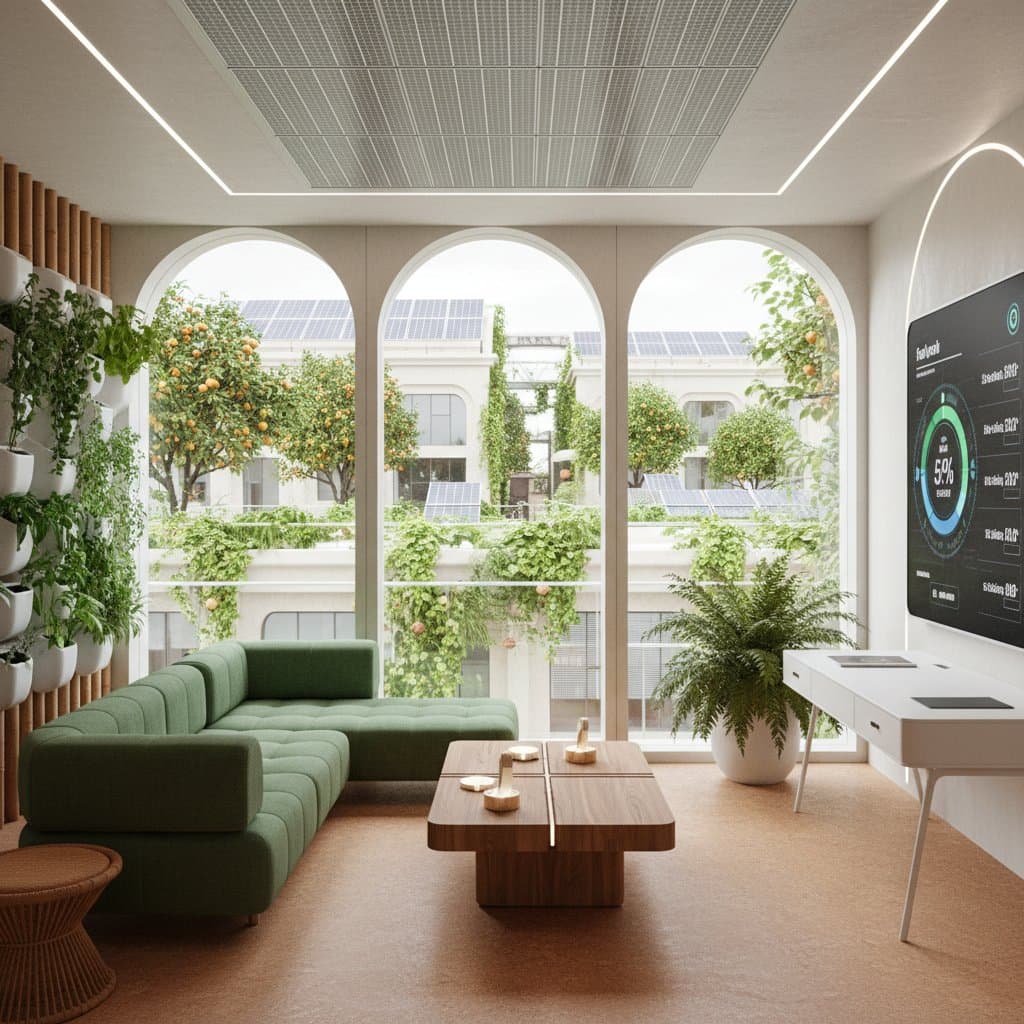
Solarpunk's Emergence: Envisioning a Hopeful Green Future
Imagine neighborhoods where every structure features verdant rooftops and interconnected solar arrays that energize entire communities. This vision captures the essence of solarpunk, a movement merging sustainability, innovation, and positivity to reshape design and lifestyle. It challenges conventional approaches by promoting harmony with the environment.
Solarpunk transcends aesthetics; it represents a philosophy that guides how societies construct resilient worlds. Its principles appear in urban planning, architectural innovations, and everyday attire. For those disillusioned by inefficient systems or dire environmental forecasts, solarpunk provides an uplifting alternative: a blueprint that is feasible, empowering, and deeply personal.
Core Principles of Solarpunk
Solarpunk centers on crafting sustainable, interconnected futures through renewable sources, localized materials, and communal strength. The term "solar" highlights technologies such as photovoltaic panels and high-efficiency heating systems. "Punk" embodies self-reliance and inventive solutions. This combination empowers individuals to steward their surroundings while benefiting ecosystems.
Participation requires no grand infrastructure. Solarpunk emphasizes mindset alongside physical changes, encouraging reflection on how personal spaces and routines align with ecological balance.
Distinctive Elements of Solarpunk Design
Traditional eco-design often prioritizes damage mitigation. Solarpunk advances this by envisioning lush, prosperous environments. Envision structures enveloped in air-purifying foliage, self-sustaining residences, and communal areas that promote interaction and resource sharing. This approach yields dynamic, inviting landscapes over barren ones.
Key features include:
- Human-centered scale: Preference for pedestrian-friendly districts and decentralized utilities over expansive, impersonal networks.
- Seamless nature incorporation: Elements like green roofs, wall-mounted gardens, and maximized daylight serve as foundational components.
- Participatory ethos: Initiatives often involve residents in collective efforts, such as community orchards or tool-lending libraries.
- Forward-looking perspective: Emphasis on prosperity rather than peril, illustrating viable paths to ecological harmony.
Incorporating Solarpunk into Residential Spaces
Significant renovations prove unnecessary for initial adoption. Incremental modifications enhance efficiency and environmental ties. Consider these targeted strategies.
-
Adopt renewable power options. If full installations exceed current means, opt for utility-provided renewable tariffs or compact solar devices for pathway illumination and device charging.
-
Cultivate greenery in available areas. A single potted herb on a ledge introduces vitality. In outdoor settings, select drought-resistant natives alongside food-producing varieties. Community plots further strengthen bonds and lower food expenses.
-
Select enduring, natural substances. For furnishings or accents, prioritize timber, rattan, or upcycled metals, which offer longevity and tactile appeal compared to synthetics.
-
Implement water conservation. Install a basic collection system to capture rooftop runoff for irrigation, potentially cutting utility costs; verify municipal regulations first.
-
Optimize illumination. Transition to low-wattage LEDs paired with automated controls to minimize consumption while maintaining ambiance. Maximize daylight by arranging furnishings to capture sunlight.
Advantages and Challenges of Solarpunk Adoption
Any transition involves benefits and hurdles. Understanding these informs realistic implementation levels.
Advantages:
- Reduced long-term utility expenses for power and hydration.
- Enhanced indoor environments with improved ventilation and reduced pollutants.
- Fortified social networks via joint endeavors.
- Renewed motivation and confidence in prospective outcomes.
Challenges:
- Upfront expenses for installations like photovoltaic arrays or insulated glazing.
- Ongoing care for vegetation and organic elements.
- Potential need for approvals or expert consultations in certain locales.
- Dedication required to master novel practices and mechanisms.
Progression allows gradual integration. A single alteration, such as substituting lawns with pollinator-friendly flora, advances broader objectives.
Investment Considerations and Returns
Solarpunk accommodates diverse financial capacities, from modest tweaks to substantial enhancements.
- Affordable entry points: Construct self-made planters, establish organic waste processors, install energy-saving fixtures, or join neighborhood restoration activities.
- Mid-range investments: Deploy collection tanks, upgrade to high-performance devices, or contribute to group energy ventures.
- Premium commitments: Equip comprehensive photovoltaic systems, overlay vegetative coverings, or overhaul structures for superior insulation.
Though initial outlays may elevate, returns manifest in diminished bills and heightened autonomy. Beyond economics, these adaptations yield greater livability and ecological attunement. Individuals often report profound satisfaction from modest pursuits, like nurturing balcony produce or repurposing fabrics for decor.
Scaling Solarpunk to Neighborhoods
Solarpunk flourishes in collective contexts. Various districts test communal allotments, skill-sharing workshops, and micro-grids for distributed power. Such efforts curb excess and cultivate mutual reliance.
To engage, survey regional eco-organizations or initiatives. Opportunities may include contributing labor, acquiring knowledge, or offering expertise. Collaboration remains paramount, fostering unity over rivalry.
Embracing a Solarpunk Perspective
Full adherence to solarpunk tenets proves optional for deriving value. The essence lies in cultivating practices that bolster durability and positivity. This could involve patronizing regional growers, mending goods, or favoring ethically sourced items.
Cumulative effects emerge gradually. These steps lessen environmental impact, elevate local conditions, and inspire wider shifts in foresight.
Steps to Realize Solarpunk Principles
Solarpunk underscores that tomorrow emerges from daily decisions on resources, construction, and cooperation. Overhaul need not overwhelm; commence with feasible adjustments suited to circumstances, then expand. Its adaptability ensures evolution alongside personal growth.