
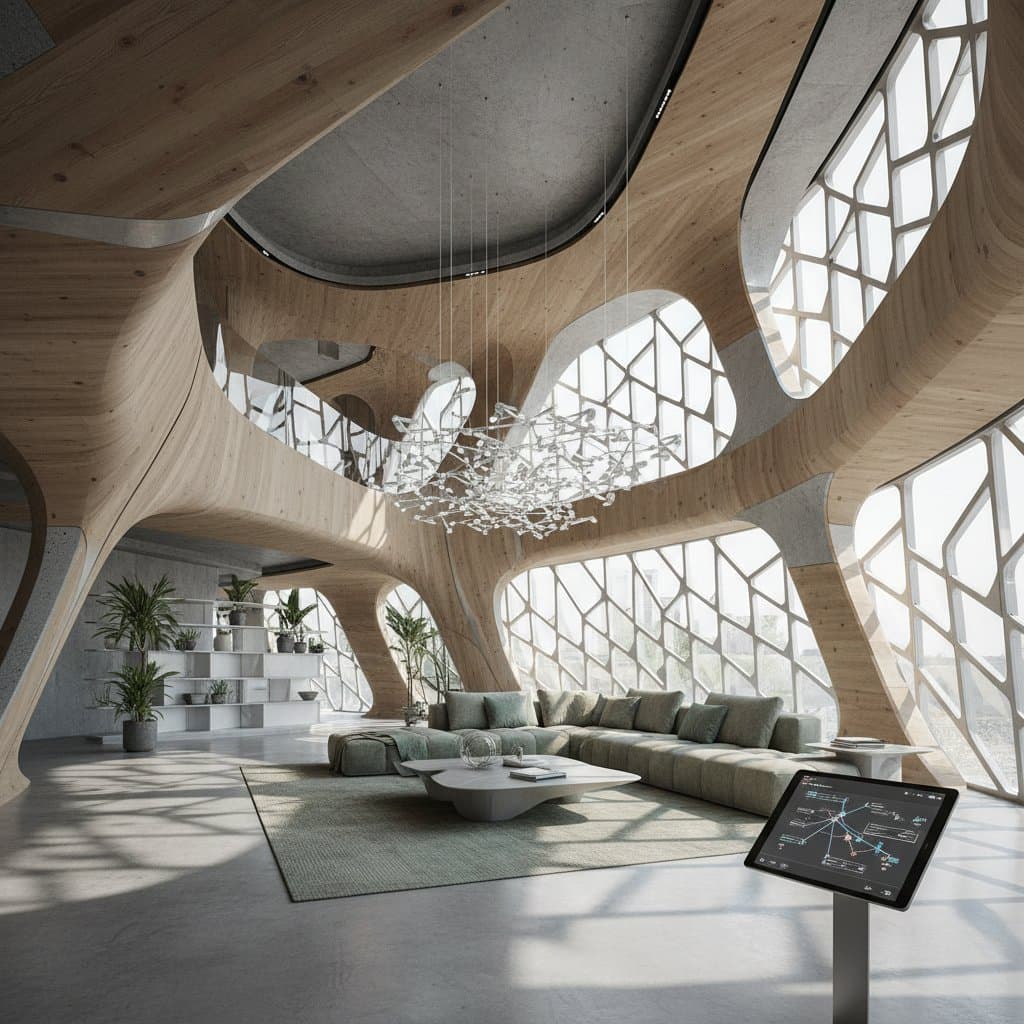
Understanding Parametric Design in Home Architecture
Homes that feature fluid curves, intricate folds, or seamless integration with their surroundings often spark curiosity about their construction. Architects frequently discuss computational design and algorithmic modeling as key tools in this process. Parametric design represents this innovative approach, which is steadily influencing residential architecture.
Homeowners seek residences that maximize space, harmonize with the environment, and minimize construction waste. Parametric design addresses these needs through data-informed digital modeling. It considers factors such as sunlight patterns, airflow dynamics, material durability, and budget constraints to produce structures that balance aesthetics with functionality.
For those considering a new construction, renovation, or significant expansion, familiarity with parametric design aids in effective collaboration with professionals. This section examines its mechanics, financial implications, and role in future home development.
Reasons Homeowners Embrace Parametric Design
Once limited to large-scale projects like cultural centers or sports venues, parametric design now reaches everyday residential applications. Advances in software accessibility and builder proficiency drive this shift. Homeowners appreciate its benefits in several key areas.
Personalization with Precision
This method enables detailed customization based on specific objectives, such as enhancing natural illumination, regulating indoor temperatures, or minimizing resource consumption. Algorithms process these inputs to generate optimal configurations. Homeowners input preferences, and the system iterates designs that meet performance criteria without unnecessary complexity.
Optimized Material Utilization
Digital models precisely quantify material requirements, preventing overordering and reducing site waste. This precision supports eco-friendly practices and controls expenses. For example, calculations ensure that structural elements use only the necessary volume of concrete or timber.
Enhanced Energy Performance
Analysis of solar trajectories, prevailing winds, and thermal properties informs the placement of openings, barriers, and roofing. Such strategic positioning improves overall efficiency. Consequently, occupants experience reduced energy demands and a diminished ecological impact.
Pre-Construction Visualization
Real-time 3D rendering displays modifications instantaneously, allowing virtual navigation through the proposed space. This transparency minimizes unforeseen issues and costly revisions during building. Clients gain confidence in the final outcome before physical work begins.
Financial Aspects of Parametric Design
A common misconception links parametric design to elevated expenses. Actual costs vary based on application scope and project scale. Consider the following elements when budgeting.
Design fees for custom parametric work typically increase standard architectural charges by 5 to 15 percent. This covers specialized software usage and iterative modeling. However, many firms now incorporate foundational parametric techniques within routine services.
Construction expenses remain comparable to traditional methods, often with savings from streamlined material use and waste reduction. A parametrically optimized framework, for instance, might require fewer support members while upholding integrity, potentially saving substantial amounts on resources like metal or wood.
Energy-efficient outcomes frequently yield 10 to 30 percent reductions in operational costs over conventional builds. These savings accumulate, recouping upfront investments within several years. Long-term utility bills reflect the model's predictive accuracy.
Material selection benefits from scenario testing, identifying economical options suited to site-specific conditions. Exposed facades might incorporate advanced thermal barriers, whereas protected areas use cost-effective alternatives. This targeted approach maintains quality without excess spending.
In summary, initial design outlays may rise modestly, but holistic efficiencies often neutralize or reverse these through lower construction and operational expenditures.
Balancing DIY Exploration and Expert Input
Accessible software allows individuals to experiment with parametric concepts, yet full-scale residential endeavors demand professional guidance. Algorithm outputs depend on input accuracy; flawed data risks compromising safety or efficacy.
Hire specialists for projects involving new builds or substantial alterations. They ensure reliable simulations for energy and resource assessments. Professionals also produce compliant documentation for regulatory approvals and coordinate with advanced manufacturing techniques.
DIY suits preliminary stages, such as initial spatial arrangements or environmental impact trials for updates. Use these tools to evaluate options and grasp design compromises. Such involvement informs discussions with experts.
Success in parametric projects stems from integrated teamwork among clients, designers, and constructors. The digital framework facilitates clear communication and aligned decisions.
Realizing Lasting Benefits
Parametric homes deliver enduring advantages that extend past initial construction. The underlying data framework supports ongoing management and enhancements.
Integrate the model with intelligent systems for real-time energy tracking against projections. This monitoring reveals performance variances and guides adjustments.
Retain digital records of components for future modifications. Accurate specifications streamline procurement and expansions, saving time and resources.
In the resale market, data-backed efficiency appeals to discerning buyers. Documented sustainability metrics highlight superior craftsmanship and foresight.
Virtual testing fortifies the design against vulnerabilities, promoting longevity. Early detection of potential flaws curtails repair needs over decades.
Steps to Implement Parametric Design
To pursue this approach, identify architects proficient in computational tools. Review their portfolios for relevant residential examples and request a tailored simulation.
Prepare quantifiable objectives for consultations, including target area, illumination targets, efficiency benchmarks, seclusion needs, material choices, and financial limits. Precise inputs yield robust outcomes.
During evaluations, observe parameter variations and their effects on form, function, and expense. This insight aids balanced selections.
Finalize the model with verification of compatibility for builder workflows. Firms employing BIM or digital production integrate seamlessly, ensuring efficient execution.
Sustaining Design Excellence Over Time
Post-occupancy, leverage the parametric foundation for adaptive living. Periodic model updates incorporate lifestyle shifts or technological advances. This proactive stance maintains the home's responsiveness and value.