
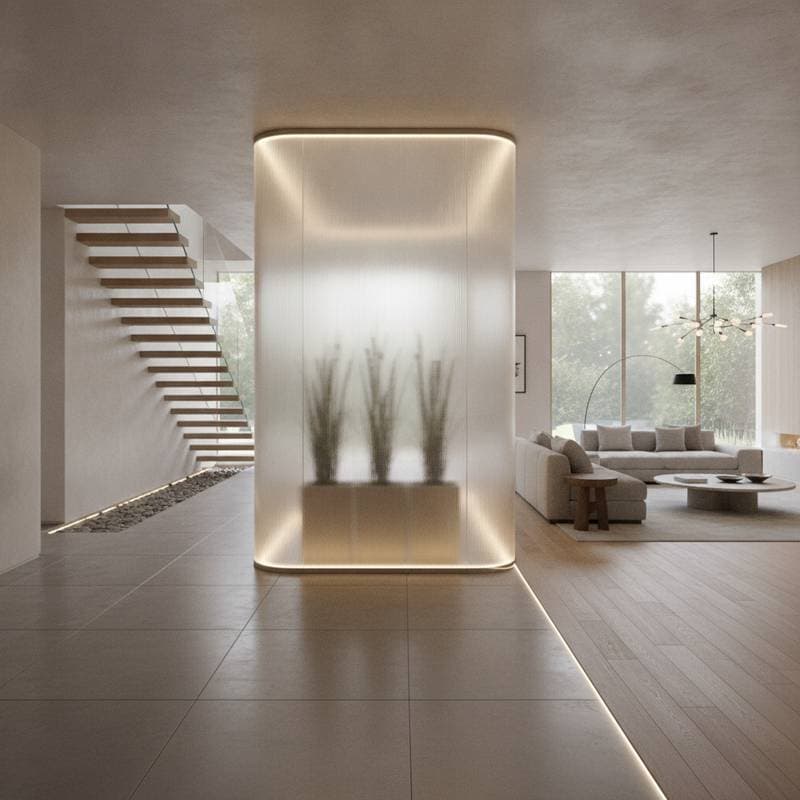
Experience the Dreamlike World of Liminal Architecture
Many people have entered a space that feels familiar yet unreal. A dim hallway in an empty office building or a quiet hotel corridor late at night can produce this effect. Liminal architecture captures the eerie beauty of such transitional areas and shapes them into environments that feel surreal while remaining grounded in human experience.
The Allure of the In-Between
Liminal architecture centers on transitional spaces that link one area to another. Stairwells, corridors, doorways, and waiting areas serve as typical examples. Designers who explore liminality recognize the emotional weight these places carry. They prompt pause, reflection, and a sense of suspension between two states.
In architecture, liminality functions as both a visual approach and an emotional state. It creates tension between familiarity and disorientation through subtle shifts in light, proportion, or placement. These adjustments can stir curiosity, nostalgia, or mild unease.
Transforming Ordinary Spaces into Liminal Experiences
Designers begin by reconsidering movement patterns through a space. The aim is to increase awareness of atmosphere without creating discomfort. Homeowners and commercial projects can apply this approach through targeted strategies.
-
Play with Lighting
Soft, indirect lighting produces an ambiguous sense of time. Wall sconces, concealed LED strips, or diffused skylights turn an ordinary hallway into a passage between distinct moods. -
Use Reflective Surfaces
Mirrors, polished concrete, and glossy tiles increase visual depth. They soften boundaries and suggest continuation beyond the immediate view. -
Simplify and Isolate
Sparse furnishings and minimal decor highlight emptiness. A single chair in a wide corridor or one pendant light in a large entryway creates quiet anticipation. -
Experiment with Scale
High ceilings or narrow hallways alter the sense of proportion. Exaggerated dimensions generate a dreamlike detachment from routine surroundings.
Why Liminal Design Resonates
Liminal spaces appeal because they remain open-ended and suggestive of transition. In an environment of constant stimulation, these ambiguous places allow the mind to slow down. Homeowners gain contemplative interiors. Commercial settings such as galleries or boutique hotels gain memorable atmospheres.
Material and lighting choices determine whether the tone feels peaceful or haunting. Warm tones paired with wood and linen suggest comfort. Cooler hues, metal finishes, and fluorescent lighting lean toward the surreal.
Practical Considerations for Homeowners
Liminal architecture can be introduced without major renovation. Small interventions shift the character of existing rooms.
-
Cost Range: Lighting adjustments and paint changes begin around 500 dollars. Structural modifications to hallways or entryways range from 10,000 to 25,000 dollars depending on regional labor rates.
-
Timeline: Aesthetic updates require one or two weeks. Architectural changes involving permits usually need several weeks.
-
Safety and Code Compliance: Lighting circuits, load-bearing walls, and egress paths must satisfy local codes. Consultation with a licensed contractor remains essential before altering structure or wiring.
-
Return on Investment: Subtle lighting layers and improved spatial flow increase long-term appeal for future occupants.
The Designer’s Perspective
Architects who work with liminality draw from psychology and art alongside technical requirements. They observe how spatial transitions affect perception. Movement from a bright room into a dim corridor produces a mental reset that can calm or unsettle depending on execution.
In residential projects, liminal architecture proves effective in entryways, staircases, and open-plan areas. A modest change in ceiling height or material can signal passage from shared to private zones.
Bringing Liminal Ideas into Your Own Space
Homeowners can begin with transitional zones rather than primary rooms.
- Paint a hallway in a muted tone distinct from adjacent spaces.
- Install recessed floor lighting to guide movement.
- Introduce subtle sound or scent at thresholds to suggest suspension.
- Replace uniform flooring with quiet material shifts between rooms.
These adjustments encourage slower movement and greater attention to surroundings.
Applying Liminal Principles in Daily Life
Once noticed, liminal qualities appear in many ordinary settings. The soft resonance of an empty stairwell or the long shadow across a quiet lobby carries the same quiet tension. Embracing transition allows interiors to engage the senses and support reflection over time.