
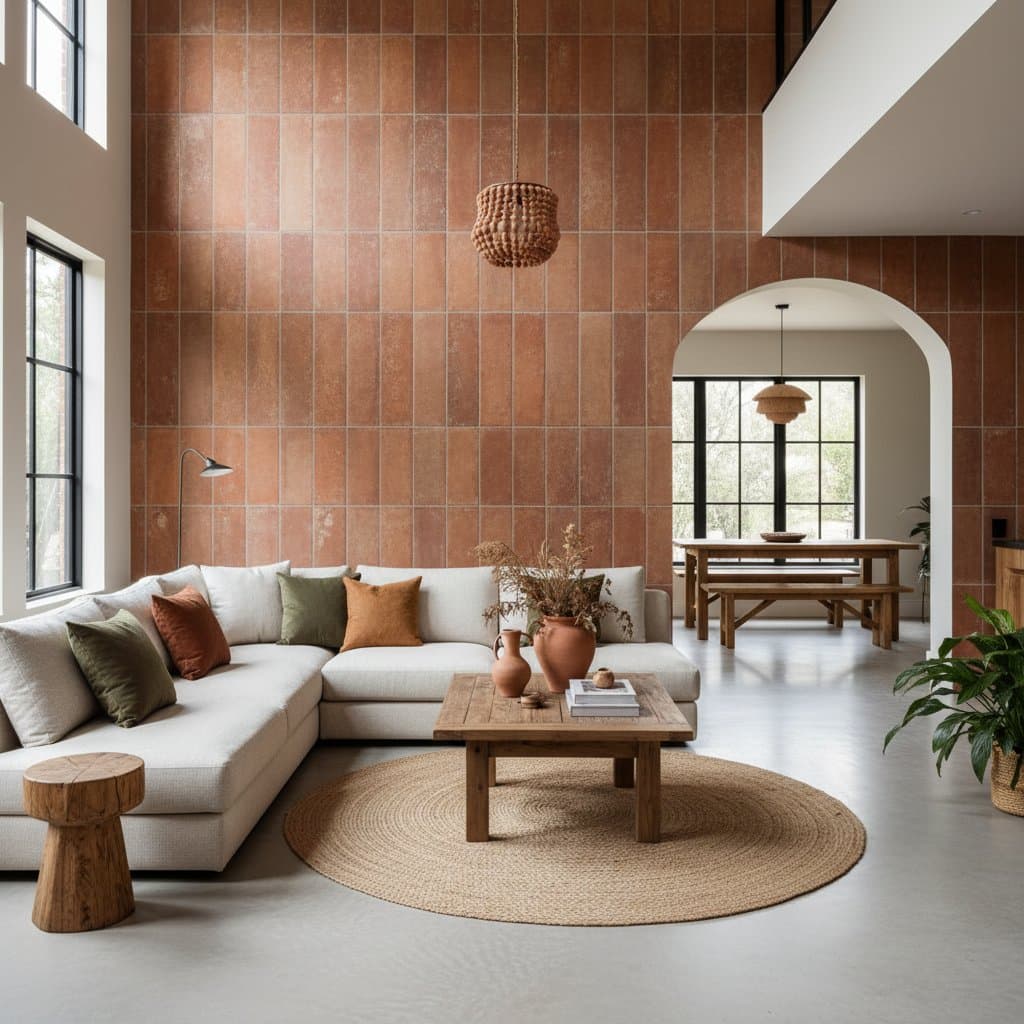
Embracing Terracotta: The Earth-Tone Design Revival
Recent trends in home design reveal a move toward warmer, more rooted atmospheres. Spaces now emphasize natural elements over the cool detachment of gray-dominated palettes. Terracotta leads this evolution, infusing environments with warmth, texture, and lasting personality suitable for diverse architectural styles.
Design enthusiasts value terracotta for its dual role as color and material, fostering a tangible link to nature. This quality strikes an equilibrium between rustic authenticity and polished refinement, positioning it as an effective option for revitalizing interiors through organic aesthetics.
Reasons for Terracotta's Resurgence
The term terracotta translates to baked earth, reflecting its ancient origins in construction. Its warm red-brown hue and clay-based structure ensure durability alongside adaptability. As preferences shift toward sustainable and genuine materials, terracotta aligns seamlessly with values centered on skilled workmanship and environmental harmony.
Its straightforward nature appeals broadly: unassuming in appearance, simple in upkeep, and eco-conscious when harvested ethically. Terracotta integrates effortlessly with contemporary accents such as brass fixtures or matte black hardware, while enhancing pairings with wood, stone, or linen fabrics. Such versatility accommodates styles ranging from Mediterranean influences to streamlined minimalism.
Incorporating Terracotta in Contemporary Architecture
In architectural applications, terracotta extends beyond mere coloration to provide texture, dimension, and stability. Renewed interest in exterior terracotta cladding stems from its capacity to withstand weather while preserving an organic visual appeal. Within residences, elements like tiles, bricks, or ornamental panels foster unified, comforting interiors that convey solidity and hospitality.
Key Architectural Applications
- Exterior Facades: Panels or bricks crafted from terracotta impart distinctive character and support natural thermal regulation. These materials offer effective insulation and endure sun exposure without significant discoloration.
- Roofing: Traditional clay tiles demonstrate longevity and resistance to fire, often lasting over several decades with routine maintenance.
- Flooring: Terracotta tiles introduce inherent variations and thermal comfort to surfaces, proving ideal for kitchens, foyers, or outdoor patios.
- Accent Walls: One terracotta-clad wall introduces layering and tactile interest without dominating the surrounding area.
- Fireplaces: Clay compositions manage elevated temperatures effectively, rendering terracotta suitable for surrounds and hearths.
These implementations merge practical benefits with enduring aesthetics, ensuring homes maintain relevance across changing design eras.
Integrating Terracotta into Interior Spaces
Architecture establishes the base, yet interiors highlight terracotta's capacity to infuse vitality into otherwise austere settings. Through flooring, furnishings, or finishes, terracotta adds depth and coziness at varying intensities, scaled to individual preferences for color intensity.
Practical Methods for Indoor Terracotta Integration
- Paint or Plaster Applications: Select subdued terracotta shades for walls that capture and reflect ambient light. Opt for matte or limewash techniques to achieve an authentic, uneven surface.
- Ceramic Elements: Unglazed clay items such as planters, lighting fixtures, or vessels contribute understated tactility to sleek environments.
- Fabric and Accessory Choices: Cushions, area rugs, or drapery in terracotta shades temper neutral backdrops, bypassing the need for extensive renovations.
- Kitchen Features: Backsplashes or counter tiles in terracotta evoke artisanal quality, complementing wooden cabinetry with subtle warmth.
For initial exploration, introduce terracotta via accessories to assess tonal compatibility before advancing to structural elements.
Evaluating Expenses and Upkeep
Terracotta proves cost-effective across uses, with variations based on scale and craftsmanship. Standard floor tiles begin at approximately four dollars per square foot, whereas artisanal or vintage options ascend to twenty dollars or higher. Installed roofing tiles fall between six and twelve dollars per square foot, aligning with premium asphalt or slate systems. Wall cladding installations average twenty to forty dollars per square foot, justified by their extended service life and low maintenance demands.
Upkeep remains uncomplicated. Seal terracotta floors to shield against stains and humidity; refresh the sealant every two to three years. Exterior panels and tiles benefit from periodic rinsing and crack assessments. Steer clear of abrasive chemicals, which may erode the material's innate finish. Proper attention allows terracotta to mature elegantly, acquiring a desirable patina over time.
Harmonizing Terracotta with Complementary Materials
Terracotta's bold pigmentation necessitates thoughtful pairings to avoid visual overload. Neutral or cooler shades, such as crisp white plaster, light-toned oak, or soft gray stone, provide counterbalance. For intensified drama, incorporate deep greens or navy elements to accentuate terracotta's inherent glow.
Texture plays an equally vital role in selections. Juxtapose sleek plaster against terracotta's rugged grain for dynamic interplay. Polished metals like brass or nickel introduce elegance without clashing against the material's subdued sheen. This approach cultivates cohesion between heritage-inspired comfort and current minimalism.
Sustainability and Location-Specific Factors
Terracotta's ecological advantages stand out prominently. Derived mainly from abundant clay, production generates lower emissions compared to engineered alternatives. Sourcing from nearby regions minimizes transport impacts and bolsters local artisans.
Climate conditions affect performance notably. In arid, temperate zones, terracotta absorbs daytime heat and dissipates it nocturnally, stabilizing indoor climates. Humid or frigid areas demand thorough sealing and supplementary insulation to mitigate dampness. Consult regional regulations for compliance in roofing or facade installations.
Installation Guidance and Safety Measures
Terracotta appeals to capable DIY participants, though certain projects warrant expert involvement. Roofing assemblies and load-bearing panels require precise fastening and structural evaluations. Faulty setup risks water infiltration or instability; engage certified professionals to adhere to codes and secure guarantees.
For modest endeavors like tile laying, self-installation succeeds with preparation. Ensure a flat base, spread thin-set mortar uniformly, and incorporate grout joints. Don protective gloves and eyewear during cutting or manipulation. Permit adequate drying before sealing or finishing applications.
Investment Value of Terracotta
The material's durability and perennial style yield substantial returns. Properties incorporating organic elements typically attract premium pricing, as purchasers link them to superior craftsmanship and resilience. Terracotta components resist obsolescence, curtailing future renovation expenses. Their grounded hues foster broad appeal, enhancing marketability.
Daily Experience with Terracotta
Incorporating terracotta alters a home's ambiance in nuanced ways. Its coloration adapts to lighting shifts, radiating comfort during overcast periods and vibrancy under direct sun. The material accommodates seasonal updates, serving as a versatile foundation for stylistic variations.
Maintain freshness through:
- Routine dusting or vacuuming of tiled areas to sustain hue intensity.
- Periodic resealing of floors and counters for ongoing moisture defense.
- Strategic repositioning of furnishings to showcase terracotta's nuances from multiple perspectives.
Steps to Implement Terracotta
To initiate a terracotta project, outline objectives clearly. Establish a budget, identify application types, and determine installation needs. Examine samples from regional vendors under daylight conditions, accounting for potential shade discrepancies.
Terracotta transcends fleeting fashions, embodying authentic, resilient qualities. From comprehensive overhauls to targeted enhancements, it infuses residences with vitality and permanence.