
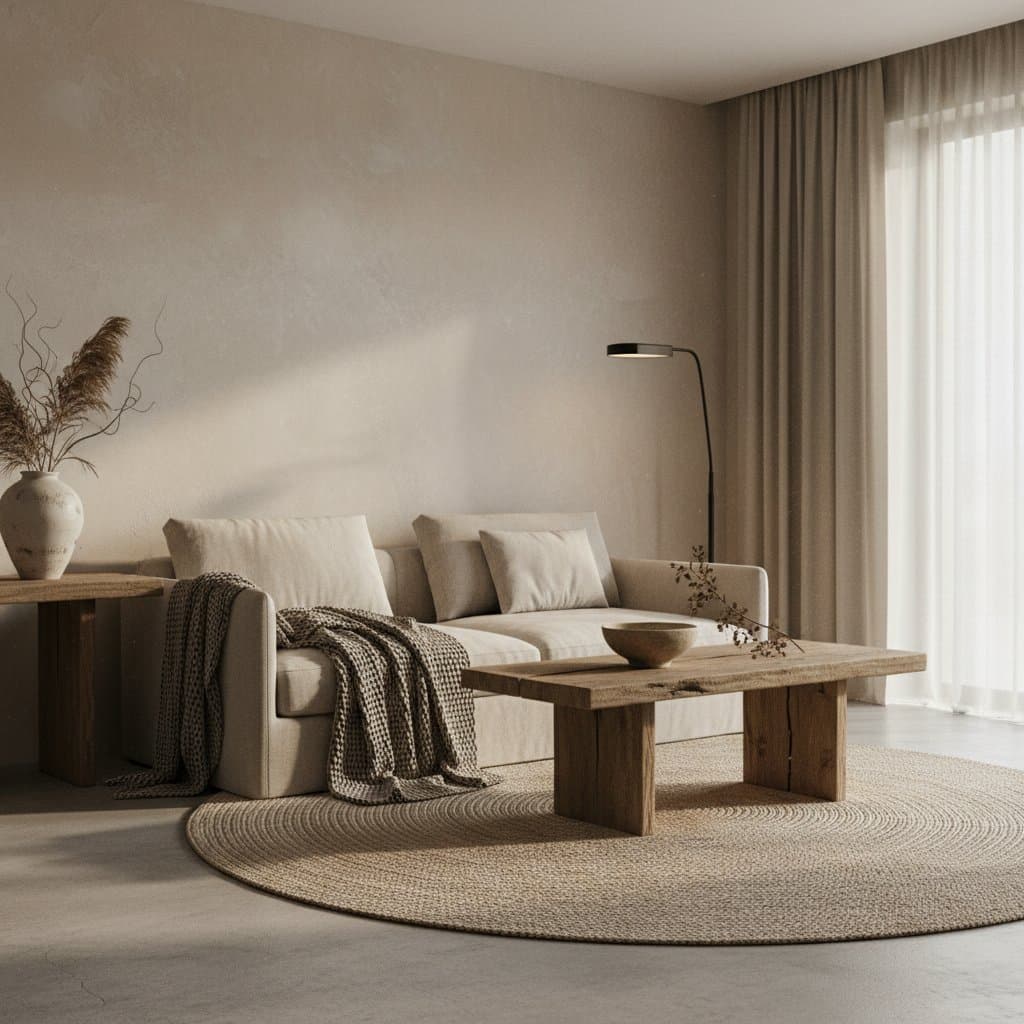
Embrace Wabi-Sabi: Imperfect Beauty Defines 2026 Interiors
Some homes exude peace upon entry, despite visible imperfections such as scratches on a coffee table or wrinkles in linen curtains. This serene quality stems from wabi-sabi, a Japanese philosophy that honors imperfection, impermanence, and simplicity. Homeowners increasingly seek this authentic charm over polished, high-contrast designs to foster tranquil, lived-in spaces.
If a remodel or refresh lies ahead, wabi-sabi principles guide the creation of enduring beauty that avoids sterility. These interiors invite genuine calm through purposeful restraint and natural elements.
Understanding Wabi-Sabi in Contemporary Homes
Wabi-sabi merges two ideas: wabi embodies rustic simplicity, while sabi captures the allure of age and patina. This philosophy values natural materials, irregular forms, and subtle flaws that narrate a space's history. In modern application, it transcends stark minimalism by emphasizing intentional choices over mere reduction.
A chipped ceramic bowl or uneven plaster wall serves as an asset, highlighting authenticity. Designers recommend curating items with personal significance to amplify this narrative without overwhelming the room.
Reasons Homeowners Embrace Imperfect Aesthetics
Perfection-driven trends often demand symmetry and frequent updates, yet wabi-sabi counters with acceptance of natural evolution. This shift appeals for practical and emotional benefits.
- Natural finishes conceal daily wear more effectively than high-gloss options, easing upkeep.
- Reclaimed wood, handcrafted pottery, and linen fabrics align with sustainable practices by reducing waste.
- Visible traces of use infuse warmth and individuality, fostering emotional attachment.
- Designs endure over time, minimizing the need for expensive overhauls.
Surveys indicate that 68 percent of homeowners prioritize such timeless styles for long-term satisfaction.
Initiating a Wabi-Sabi Home Refresh
Transformation requires no major overhauls; focus on gradual, mindful changes. Start by assessing current spaces for alignment with these principles.
- Declutter intentionally: Retain only items with purpose, allowing negative space to enhance focus on cherished pieces.
- Select organic materials: Opt for wood, linen, clay, stone, and wool, which develop appealing patinas through use.
- Incorporate asymmetry: Display handmade mugs or irregular tiles to celebrate unique characteristics.
- Introduce diffused lighting: Swap bright fixtures for rice paper shades or linen diffusers that emit soft, warm illumination.
- Layer neutral palettes: Employ soft creams, warm grays, and earth tones, accented sparingly with foliage or pottery.
These steps build a foundation for serenity, adaptable to any budget or room size.
Essential Materials for Authentic Wabi-Sabi
Material selection anchors the philosophy's essence, prioritizing tactility and sustainability.
- Wood options like oak, cedar, or walnut benefit from light oil finishes that preserve grain texture. Quality hardwood flooring costs $6 to $12 per square foot.
- Stone varieties such as slate, limestone, or travertine suit floors and counters, priced at $8 to $20 per square foot based on sourcing.
- Clay or textured plaster adds depth to walls; Venetian plaster application ranges from $8 to $14 per square foot.
- Textiles including linen curtains, cotton throws, and wool rugs provide softness, with natural fiber rugs costing $150 to $600 by size.
Blend these for balance: pair smooth stone with rough wood, or light fabrics with darker accents, to create dynamic yet harmonious environments.
Integrating Color and Texture Effectively
Color plays a supporting role, allowing textures to emerge. Neutral walls in soft grays, warm whites, or sands enable daily light variations to subtly alter the ambiance.
Textures infuse vitality into subdued schemes. Consider a plaster wall with brush marks alongside a handwoven throw for gentle contrast. In kitchens, combine polished stone counters with rustic wood stools to merge utility and appeal.
Experts suggest testing samples in natural light to ensure tones harmonize with the room's orientation.
DIY Projects Versus Professional Assistance
Confident individuals handle many updates independently, such as refinishing a table or installing shelves. Basic tools suffice for painting in neutrals or light sanding.
Larger endeavors like plaster applications or wood flooring warrant expert involvement to guarantee durability. Professionals ensure materials weather gracefully.
Labor estimates include $4 to $8 per square foot for wood installation, $6 to $10 for specialty walls, and $75 to $150 hourly for custom work. For DIY, use low-VOC products and protective equipment to safeguard health and air quality.
Harmonizing Practicality with Visual Appeal
Wabi-sabi upholds functionality alongside aesthetics. While a patinaed wood surface adds character, essential repairs like fixing leaks maintain livability.
Apply food-safe oils to counters for protection without erasing natural marks. Organize open shelves with daily essentials in orderly displays to blend use and beauty.
Routine care involves dusting, mild natural soap cleaning, and periodic oiling. Avoid excessive polishing to retain authentic development.
Pitfalls to Sidestep in Implementation
- Avoid artificial distressing on new items; genuine use builds true character over time.
- Prevent excessive sparseness; retain enough elements to evoke habitation.
- Steer clear of clashing styles like vibrant glamour, which disrupt serenity.
- Ensure ergonomic choices; test rough textures for daily comfort before committing.
Addressing these early preserves the design's integrity.
Budget Considerations and Long-Term Value
Affordable entry points make wabi-sabi accessible. A living room update with natural elements and artisan pieces typically spans $2,000 to $7,000.
Full kitchen or bath renovations incorporating reclaimed materials and skilled labor range from $15,000 to $40,000. Benefits extend beyond initial costs through reduced future maintenance.
In humid areas, select sealed woods or resistant plasters; in arid climates, moisturize fibers regularly. These practices sustain both form and function.
Infusing Nature into Interior Spaces
Wabi-sabi thrives on natural connections. Introduce plants, maximize daylight, and favor organic forms to bridge indoors and out.
Simple additions like a branch in a vase or sunlight through linen enhance tranquility. For adjacent outdoor areas, echo materials such as cedar or stone to seamless transitions and unified calm.
The Deeper Impact on Daily Life
Residents often report heightened peace and grounding in wabi-sabi homes. This approach cultivates acceptance, easing concerns over minor imperfections while highlighting subtle beauties like shifting light or tactile objects.
Such environments lower stress and deepen environmental bonds, turning spaces into balanced reflections of life.
Steps to Realize Your Vision
Begin modestly: simplify one area, refinish a surface, or add a crafted accent. Observe how authenticity emerges swiftly.
For broader projects, consult designers on natural sourcing and subtle techniques. Share texture-focused inspirations to guide sustainable choices.
As the home matures, embrace evolving marks on woods and fabrics. This progression embodies wabi-sabi's core: a beauty that accompanies life's rhythm, fostering a sanctuary of quiet fulfillment.