
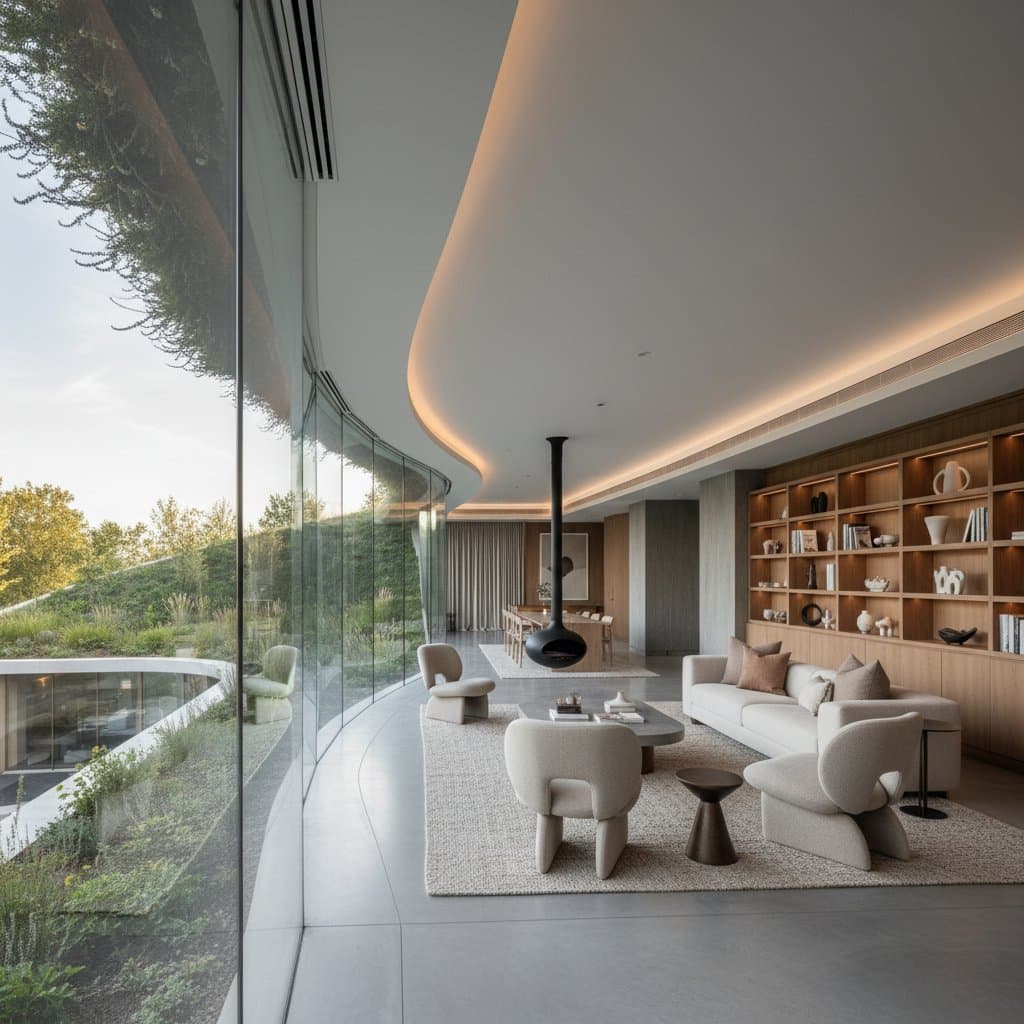
Discover the Luxury of Earth-Sheltered Underground Homes
Imagine residing in a home that maintains comfortable temperatures year-round while seamlessly integrating with its natural surroundings. Earth-sheltered homes achieve this balance by leveraging the earth's thermal mass for insulation. Far from resembling dim bunkers, these structures feature expansive windows, innovative lighting, and high-end finishes that deliver both elegance and efficiency.
For those seeking a distinctive residence that prioritizes sustainability, earth-sheltered designs provide substantial energy savings, serene interiors, and a profound bond with the environment. This approach reimagines modern living by harmonizing human needs with ecological principles.
What Defines an Earth-Sheltered Home
Earth-sheltered homes incorporate surrounding soil directly into their construction, utilizing it as a thermal barrier to stabilize indoor climates and shield against external elements like wind and severe weather. Designs vary from fully subterranean structures to those with earth bermed against select walls. This method minimizes energy demands while enhancing durability.
Three primary configurations exist:
- Bermed structures: Elevated foundations with soil mounded against multiple sides for partial coverage.
- Fully underground dwellings: Positioned mostly or entirely below grade for maximum earth contact.
- Earth-covered roofs: At-grade buildings capped with soil and greenery to boost insulation from above.
Each variant offers unique aesthetic and functional advantages, united by their reliance on natural earth protection.
Reasons to Embrace Underground Living
Individuals select earth-sheltered homes for their multifaceted benefits. The earth's insulating properties maintain steady indoor temperatures, reducing reliance on mechanical heating and cooling systems by up to 80 percent in moderate climates. This leads to significant utility bill reductions over time.
Additionally, the dense earth envelope dampens external noises, fostering a tranquil sanctuary ideal for relaxation or focused work. These homes withstand extreme conditions, including hurricanes and wildfires, due to their low profile and protective layering. Their extended lifespan stems from reduced exposure to ultraviolet rays and thermal cycling, often exceeding 100 years with proper upkeep.
From an ecological standpoint, earth-sheltered designs minimize visual disruption to landscapes, supporting biodiversity and preserving scenic vistas. These attributes make them appealing for environmentally minded homeowners.
Challenges in Underground Construction
Constructing an earth-sheltered home demands meticulous preparation and expertise. Initial expenses typically exceed conventional builds by 10 to 30 percent, driven by excavation, structural reinforcements, and moisture management systems. However, long-term operational savings often offset this premium.
Moisture control represents a critical hurdle; without robust waterproofing membranes and perimeter drains, water infiltration can lead to structural damage or health issues like mold growth. Natural illumination poses another consideration, as buried walls limit sunlight access, necessitating strategic features such as clerestory windows or light tubes.
Regulatory hurdles vary by region, with some jurisdictions imposing stringent seismic or egress requirements for subterranean builds. Resale potential may also differ, appealing primarily to niche buyers who appreciate sustainable architecture, though property values remain strong in eco-focused markets.
Prospective builders must weigh these factors against the rewards to ensure alignment with their goals.
Planning Your Earth-Sheltered Home
Developing an earth-sheltered residence requires a structured approach tailored to site specifics and owner preferences. Begin by evaluating terrain suitability to avoid complications during implementation.
1. Select an Optimal Site
Prioritize locations with well-draining soils, such as sandy loams, and low water tables to mitigate flooding risks. Sloping terrains facilitate bermed configurations, allowing south-facing exposures for passive solar gain while insulating the north side. Conduct geotechnical surveys to confirm soil stability and bedrock depth.
2. Engage Specialized Professionals
Collaborate with architects experienced in subterranean design to address load-bearing concerns and integrate mechanical systems seamlessly. Builders familiar with reinforced concrete or insulated concrete forms (ICF) ensure compliance with engineering standards. Early consultations prevent costly redesigns.
3. Implement Waterproofing and Insulation Strategies
Apply multi-layer waterproofing, including bentonite clay panels and liquid-applied membranes, around foundations and walls. Install French drains and sump pumps for proactive water diversion. Combine this with rigid foam insulation boards rated for below-grade use to optimize thermal performance without condensation risks.
4. Maximize Natural Illumination
Incorporate light wells with reflective shafts to channel sunlight into interior spaces, or atrium courtyards that double as private gardens. Position large, low-E glass windows on exposed elevations to capture daylight while minimizing heat loss. Supplemental LED fixtures tuned to natural spectra enhance ambiance during overcast periods.
5. Design an Effective Ventilation System
Install heat recovery ventilators (HRVs) to exchange indoor air with fresh outdoor supplies, maintaining air quality without energy waste. Earth-to-air heat exchangers, buried tubes that precondition incoming air, further reduce HVAC loads. Regular filter maintenance sustains system efficiency.
6. Infuse Personal Aesthetic Elements
Opt for light-colored interior palettes and expansive floor plans to counteract any sense of enclosure. Incorporate sustainable materials like reclaimed wood accents or stone flooring for warmth and texture. Contemporary layouts with fluid transitions between living areas amplify spaciousness.
Financial and Timeline Considerations
Budgeting for an earth-sheltered home involves accounting for specialized components. Design phases may incur 10 to 15 percent more than traditional projects due to custom modeling and simulations. Excavation accounts for 20 to 40 percent of costs, influenced by site access and depth requirements.
Water management systems demand 5 to 10 percent of the total, emphasizing quality over savings. Interior fit-outs align with luxury standards, scalable based on selections like smart home integrations. Modular prefabricated elements can trim expenses by streamlining on-site assembly.
Construction timelines extend 20 to 50 percent beyond standard homes, incorporating phased excavation, curing periods, and system testing. Allocate six to twelve months, factoring in weather dependencies and permitting delays, to achieve completion.
Experiencing Life in an Earth-Sheltered Home
Daily life in these homes centers on effortless comfort and seclusion. Consistent temperatures hover between 55 and 65 degrees Fahrenheit in temperate zones, minimizing seasonal adjustments. The inherent sound isolation creates a hushed environment, perfect for meditation or creative pursuits.
Upkeep focuses on preventive measures: annual inspections of drainage channels, vegetation management on roofs, and HVAC tune-ups. Green roofs support pollinator habitats or recreational features like rooftop decks. Interiors benefit from strategic daylighting, making spaces feel vibrant and connected to the outdoors.
Owners often report heightened well-being from the symbiotic relationship with nature, with reduced utility demands freeing resources for other priorities.
Earth-Sheltered Versus Traditional Homes
Evaluating options highlights key distinctions. Earth-sheltered designs excel in energy conservation, potentially slashing bills by 50 to 90 percent, and offer superior resilience to environmental threats. Their subtle integration promotes ecological harmony and distinctive curb appeal.
Drawbacks include elevated initial outlays and intricate planning, alongside the need for deliberate light optimization. Resale dynamics favor informed markets, where sustainability premiums boost values. For those prioritizing resilience and efficiency, earth-sheltered homes deliver enduring advantages.
Advancing Toward Your Build
Embarking on an earth-sheltered project starts with targeted research into regional experts and completed installations. Schedule site visits to gauge real-world performance and gather owner insights on daily operations. Refine your vision through detailed architectural renderings that align with practical constraints.
With thorough due diligence on finances, regulations, and innovations, you position yourself for a transformative residence. This investment yields a haven of security, style, and stewardship, elevating everyday living through thoughtful earth integration.