
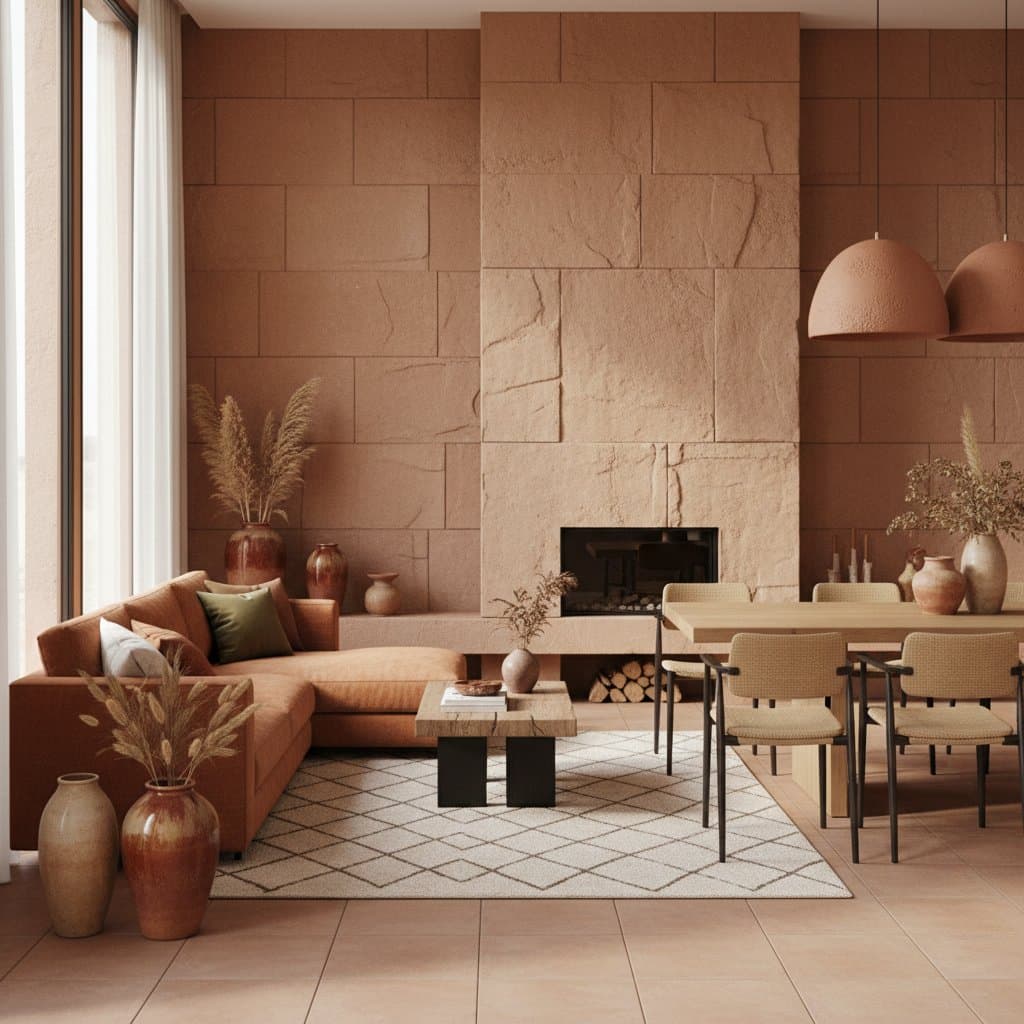
Terracotta Revival: Earth Tones Redefining 2026 Design
Designers observe a shift in color palettes for homes, cafes, and boutiques. Warm hues like terracotta gain prominence over the cool grays that dominated recent years. These earthy tones, reminiscent of clay and sun-baked landscapes, infuse modern spaces with natural warmth. Consider incorporating them to refresh your environment with timeless appeal.
Why Terracotta Captivates Designers
Terracotta offers a grounded warmth that contrasts with the sterility of cool grays and stark whites. It evokes a sense of permanence and comfort, ideal for creating lived-in atmospheres. Designers appreciate its versatility, suitable for subtle accents or bold statements in both residential and commercial settings.
This color integrates seamlessly into diverse styles, from rustic farmhouses to minimalist lofts. Its subtle richness prevents spaces from feeling overly clinical, fostering emotional connections through visual comfort.
Earth Tones in Contemporary Applications
Earth tones draw inspiration from natural elements such as clay, stone, and sand. They complement materials like wood, metal, and concrete, allowing for layered textures. A typical palette features soft peach, burnt orange, warm beige, and muted brown, each contributing to balanced interiors.
These shades interact dynamically with lighting conditions. In sunlit rooms, they emit a gentle glow; in shaded areas, they provide depth and dimension. Key benefits include compatibility with neutrals and metallics, resistance to showing dust, adaptability across styles, and promotion of coziness in varied spaces.
Applications for Terracotta in Interiors and Exteriors
Incorporate terracotta strategically without overhauling entire areas. Thoughtful placement enhances character while maintaining harmony.
-
Walls and Floors
Use clay tiles or textured plaster to add tactile interest. Terracotta flooring introduces enduring warmth, and a single accent wall in an earthy hue anchors the room. -
Exterior Facades
Architects favor terracotta cladding for its durability, fire resistance, and weather tolerance. The material develops a patina over time, enhancing aesthetic maturity rather than deterioration. -
Furniture and Accessories
Select items like lamps, planters, or vases in terracotta finishes. Rust-hued cushions or throws subtly shift room ambiance. -
Kitchens and Bathrooms
Install terracotta tiles or apply earthy paints to cabinets. Pair with brass fixtures and stone surfaces for cohesive functionality.
Practical Considerations: Cost, Installation, and Upkeep
Evaluate expenses and logistics before proceeding. Costs fluctuate based on material quality and origin.
- Tiles and Cladding: Premium handmade or imported options exceed standard ceramics, though machine-produced varieties remain budget-friendly.
- Paints and Plasters: Earth-tone paints match premium interior varieties in price; clay or lime plasters demand higher costs and expert application.
- Maintenance: Seal porous surfaces to resist stains, then clean with mild soap. Reseal outdoor elements periodically based on environmental exposure.
Installation varies by method. Painting requires minimal effort, while tiling or cladding benefits from professional expertise, particularly for expansive areas.
Integrating Terracotta with Complementary Materials
Successful pairings elevate terracotta's impact. Balance prevents overwhelming the design.
- Wood: Pair with light oak for amplified warmth or dark walnut for dramatic contrast.
- Metals: Incorporate brushed brass, copper, or matte black for contemporary sophistication.
- Textiles: Choose linen, cotton, or wool in cream or olive to soften the palette.
- Stone: Use marble or limestone to introduce cooling elements and equilibrium.
Begin with modest applications to assess compatibility, then expand as the composition evolves.
Advantages and Drawbacks of Terracotta
Weigh these factors to determine suitability.
Advantages:
- Provides inviting warmth
- Adapts to multiple design aesthetics
- Offers sustainable choices through natural clays
- Develops appealing patina with age
- Adds dimension to monochromatic schemes
Drawbacks:
- Requires sealing to avoid staining
- May darken small or low-light areas
- Involves heavier materials needing structural support
- Handcrafted pieces exhibit natural variations in tone and size
Strategic use mitigates limitations, allowing accents to deliver substantial influence.
Selecting Appropriate Terracotta Shades
Terracotta spans a spectrum from pale peach to intense sienna. Tailor choices to your context.
- Sample Testing: Apply samples to walls or floors and observe under different lighting.
- Undertone Analysis: Identify pink, brown, or orange leans to align with existing elements.
- Scale Consideration: Opt for lighter variants in compact rooms to enhance spaciousness; deeper tones suit expansive areas for intimacy.
- Finish Evaluation: Matte surfaces evoke rusticity, while glossy ones promote modernity through light reflection.
Engaging Professionals for Complex Projects
DIY suits minor changes like painting or accessorizing. Larger endeavors, including tiling or facades, warrant expert involvement. Professionals ensure proper sealing, alignment, and code compliance.
For outdoor clay installations, verify local permit requirements related to safety and fire standards. Initial investment in quality work prevents future complications.
Implementing Terracotta for Lasting Impact
This trend underscores a preference for sustainable, nurturing environments. Introduce terracotta gradually to personalize your space.
Experiment with a single wall, select tiles, or clustered pottery. Observe the transformation over time. Terracotta's adaptability supports rustic, sleek, or hybrid expressions, yielding enduring, harmonious retreats.