
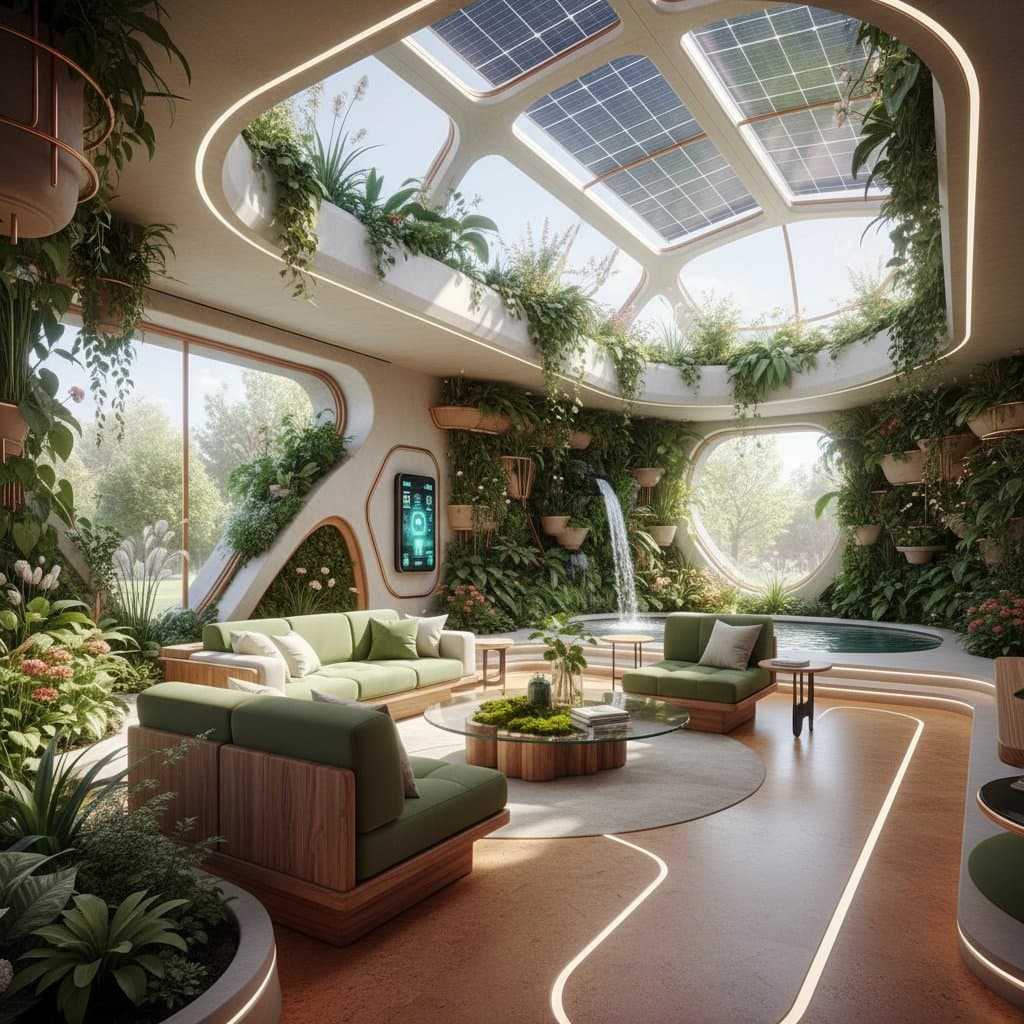
Solarpunk: An Optimistic Vision for Eco-Futuristic Homes
Many individuals examine their living spaces and desire a stronger connection to the natural world. They seek greener lifestyles without sacrificing comfort or aesthetic appeal. Solarpunk design delivers this integration by combining sustainability, technology, and creativity into a forward-looking perspective that emphasizes hope and practicality.
This approach envisions homes and communities that operate in harmony with the environment rather than in opposition to it. Solarpunk draws from principles of eco-futurism, prioritizing renewable resources and communal resilience. Practitioners often highlight how such designs promote long-term well-being through reduced resource consumption and enhanced daily living experiences.
Core Principles of Solarpunk Living
Solarpunk extends beyond a mere aesthetic trend; it represents a comprehensive lifestyle rooted in optimism and environmental stewardship. Central to this philosophy is the creation of self-sustaining habitats that leverage natural elements alongside innovative tools. For instance, solar panels capture sunlight for energy, while rooftop gardens cultivate food and biodiversity.
This style contrasts with dystopian or minimalist futurisms by infusing spaces with vitality and accessibility. It encourages self-reliance through features like passive solar heating and community-shared tool libraries. Individuals can initiate transformations modestly, such as installing energy-efficient windows, or pursue comprehensive overhauls involving permaculture landscapes and off-grid capabilities.
Solarpunk also fosters social connections by designing homes that support gatherings and shared resources. Neighborhoods adopting these principles often feature communal greenhouses or bike-sharing stations, reinforcing collective responsibility. Such elements ensure that sustainability feels inclusive and achievable for diverse households.
Implementing Solarpunk Design in Existing Homes
Individuals do not require a complete renovation to embrace solarpunk principles. Existing structures provide a solid foundation for incremental improvements. The following steps offer practical guidance to incorporate these elements effectively.
-
Integrate Renewable Energy Sources
Solar photovoltaic panels serve as the cornerstone of solarpunk energy systems. Initial installation costs typically range from $10,000 to $25,000 for a standard residential setup, depending on system size and location. Over 20-25 years, these investments yield returns through reduced utility bills, often saving $1,000 annually, plus eligibility for federal incentives like the Investment Tax Credit, which covers up to 30% of expenses.
Consider hybrid systems that combine solar with battery storage for nighttime use. Professional assessments evaluate roof orientation and shading to maximize efficiency. Homeowners report quicker payback periods in sunny regions, sometimes under 10 years. -
Cultivate Indoor and Outdoor Green Spaces
Introduce vegetation to enhance both aesthetics and functionality. Vertical gardens on walls or hydroponic setups in kitchens allow urban dwellers to grow herbs like basil or microgreens year-round. These additions purify indoor air by absorbing pollutants and releasing oxygen, potentially reducing allergy symptoms by 20-30% according to environmental studies.
For outdoor areas, designate zones for native plants or fruit-bearing trees that require minimal watering. Balcony railings can support hanging pots with drought-resistant species like succulents. Such features not only boost mental health through biophilic connections but also provide fresh produce, cutting grocery costs. -
Select Eco-Conscious Materials
Opt for reclaimed timber from local salvage yards, recycled countertops made from glass aggregates, and organic textiles like linen or hemp. These choices often match the pricing of conventional mid-tier options, around $5-10 per square foot, while offering superior durability against moisture and wear. Sourcing from certified sustainable suppliers ensures low embodied carbon footprints.
Replace synthetic carpets with cork or wool alternatives that insulate naturally and biodegrade at end-of-life. In renovations, prioritize low-VOC paints derived from plant bases to minimize off-gassing. These materials age gracefully, developing patinas that enhance character over time. -
Optimize for Natural Light and Ventilation
Maximize daylight by installing skylights or clerestory windows that allow overhead illumination without glare. Cross-breezes from strategically placed operable vents can lower cooling needs by up to 40% in temperate climates. Sheer, breathable fabrics on windows diffuse light while permitting airflow.
Incorporate passive design strategies, such as overhangs to shade summer sun or thermal mass walls that store daytime heat for evenings. These adjustments create serene atmospheres and reduce reliance on mechanical systems. Residents frequently note improved sleep quality from circadian-aligned lighting patterns. -
Adopt Intelligent, Low-Impact Technology
Energy management systems, including programmable thermostats like Nest or Ecobee models, adjust temperatures based on occupancy to cut heating costs by 10-15%. Pair these with motion-sensor LED bulbs that consume 75% less electricity than incandescents. Water-efficient aerators and low-flow showerheads conserve up to 50% of household usage without compromising pressure.
Automation platforms integrate these devices via apps, enabling remote monitoring of energy flows. Begin with affordable entry points, such as smart plugs for appliances, then scale to whole-home hubs. This technology empowers users to track progress toward sustainability goals intuitively.
Benefits and Challenges of Solarpunk Adoption
Solarpunk design presents a balanced pathway to eco-conscious living, though it involves certain considerations.
Key Advantages:
- Substantial reductions in utility expenses over time, often recouping investments within a decade.
- Enhanced indoor environments through cleaner air, abundant natural light, and biophilic elements that support mental and physical health.
- Fostering a sense of purpose and community, leading to more fulfilling daily routines.
- Meaningful contributions to planetary health by minimizing waste and emissions.
Potential Drawbacks:
- Elevated initial expenditures for installations like solar arrays or green roofs.
- Limited availability of specialized materials in rural or underdeveloped areas, necessitating online sourcing.
- Necessity for regular upkeep, such as pruning gardens or cleaning panels, to maintain performance.
Despite these hurdles, most adopters find the long-term rewards in cost savings, comfort, and ecological impact surpass the efforts required.
Essential Considerations for Implementation
Prior to commencing projects, review local ordinances governing solar installations or structural modifications. Many municipalities mandate permits and inspections to ensure compliance with safety standards. Consult certified professionals for site-specific evaluations to avoid costly errors.
Financial planning plays a crucial role. Small-scale initiatives, like purchasing LED fixtures for under $50, deliver immediate savings. For larger endeavors, explore financing options such as green loans or phased installations spread across multiple years. Track expenses with budgeting apps to monitor return on investment.
Engage with online forums or local sustainability groups for inspiration and support. These networks share real-world experiences, from troubleshooting rainwater harvesting systems to sourcing affordable reclaimed goods. Such connections accelerate the learning curve and build momentum.
Building a Solarpunk Lifestyle Step by Step
Solarpunk design empowers individuals to align daily habits with environmental values. Perfection remains elusive; focus instead on consistent progress. Initiate with accessible actions, such as establishing a windowsill herb garden or auditing household energy use.
Observe the tangible outcomes, from fresher air to lower bills, which motivate further enhancements. Gradually layer in advanced features, like automated irrigation for gardens or community solar subscriptions. This iterative process transforms homes into vibrant sanctuaries.
Ultimately, solarpunk living cultivates resilience and joy in an uncertain world. Each deliberate choice reinforces personal agency and collective hope. Homeowners embracing this ethos often describe a profound shift toward intentional, harmonious existence.