
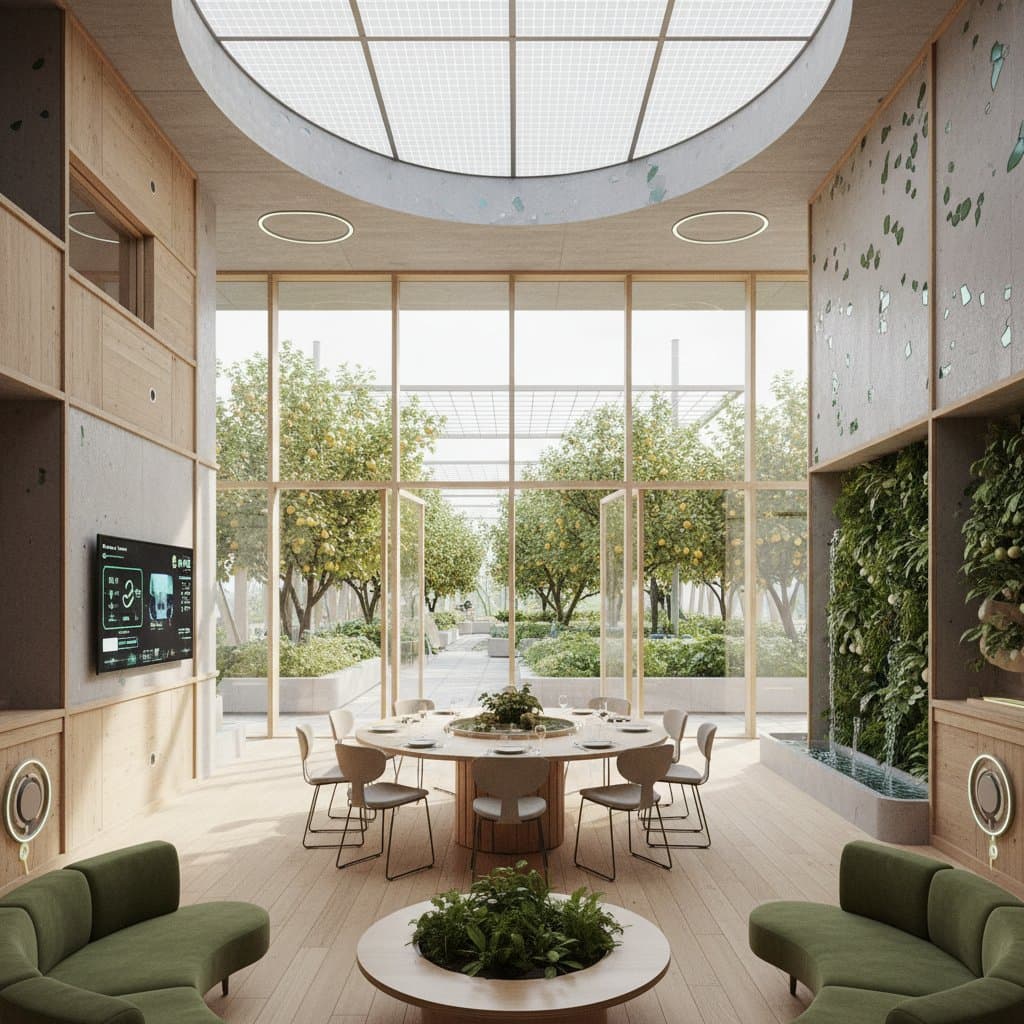
Solarpunk Visions: Green Utopias Shaping 2026 Design
Communities worldwide show increasing signs of transformation, with homes, offices, and parks incorporating more greenery, enhanced lighting, and intelligent features. Rooftop gardens above urban cafes or solar canopies over parking areas represent key elements of this evolution. These developments form part of the solarpunk movement, a design philosophy that harmonizes technology and nature to cultivate sustainable, forward-looking communities.
Solarpunk envisions self-reliant neighborhoods where residents thrive in harmony with the environment. This approach moves beyond dystopian forecasts toward actionable optimism. Individuals can adopt its principles in personal residences or local areas without requiring advanced urban infrastructure.
Understanding Solarpunk Design
Solarpunk design merges renewable energy sources, eco-conscious architecture, and collaborative lifestyles. It emphasizes comfortable human habitation that honors ecological limits. Rather than imposing stark metallic edifices or towering glass facades, solarpunk incorporates natural elements, verdant rooftops, and efficient energy setups reliant on solar arrays or compact wind generators.
This philosophy creates environments that evolve organically, blending human ingenuity with natural processes. Structures facilitate airflow, vegetation growth, and adaptability. Urban planning prioritizes pedestrian pathways over vehicular dominance, while details like paint selections and illumination choices promote tranquility, social bonds, and intentionality.
Why Solarpunk Appeals Right Now
Global issues in energy security, climate stability, and urban expansion prompt widespread interest in viable solutions. Solarpunk provides an equilibrium of inspiration and feasibility, allowing envisioning of sustainable existence without sacrificing livability or visual appeal.
Several factors contribute to its popularity:
- It instills optimism by highlighting advancement over deterioration.
- Long-term financial benefits arise from solar installations, superior insulation, and water reclamation, which diminish ongoing expenses.
- Community engagement flourishes through communal gardens, resource-sharing libraries, and cooperative housing.
- Incremental adoption suits beginners, beginning with modest endeavors like container gardening or basic solar illumination.
How to Bring Solarpunk Design Into Your Life
Implementing solarpunk concepts requires no extensive professional support. Focus on accessible initiatives aligned with available space and finances. The following strategies offer starting points.
1. Add Greenery Everywhere
Vegetation serves as a foundational aspect of solarpunk aesthetics and functionality, purifying air, moderating climates, and complementing contemporary surfaces. Consider these implementations:
- Vertical gardens on balconies or terraces, with starter kits available for approximately fifty dollars and assembly in a few hours.
- Elevated planters on rooftops, where permitted, to enhance thermal regulation and energy conservation.
- Herb-laden walls indoors adjacent to sunlit windows, integrating nature into culinary spaces while reducing produce expenditures.
2. Embrace Renewable Energy
Compact solar and wind installations grow more user-friendly and reliable. For those deterred by comprehensive panel costs, initiate with scaled-down options.
- Solar illumination sets, priced under one hundred dollars, suitable for illuminating outdoor areas, walkways, or storage units.
- Participation in community solar initiatives, enabling shared energy access without personal installations.
- Intelligent outlets and monitoring devices to observe consumption patterns and refine behaviors proactively.
3. Rethink Your Materials
Solarpunk environments favor organic, reusable, or regionally procured substances, imparting an authentic, crafted quality.
- Select bamboo, cork, or salvaged timber for flooring and furnishings.
- Apply lime-infused coatings or organic plasters that permit vapor exchange and humidity control.
- Minimize plastic usage; substituting synthetic pots with ceramic or metallic alternatives yields noticeable impact.
4. Design for Community
Solarpunk equally values interpersonal dynamics alongside technological integration. Collective areas and joint ventures hold significance comparable to energy innovations.
- Establish communal plots or composting zones alongside neighbors.
- Participate in or initiate neighborhood repair collectives for appliances, cycles, or gadgets.
- Host exchange gatherings for apparel, implements, or household items to curb excess and foster relationships.
Balancing Cost, Effort, and Reward
Solarpunk implementation ranges from elementary to elaborate, depending on scope. Some undertakings demand minimal funds, whereas others necessitate capital and forethought. Key considerations include:
- Establish a practical budget. Basic solar configurations may require several hundred dollars, with comprehensive residential arrays extending to thousands; commence modestly and scale gradually.
- Allocate sufficient preparation time. Renewable setups or expansive landscaping often involve coordination and approvals; consult municipal guidelines beforehand.
- Account for ongoing upkeep. Foliage demands nurturing, and photovoltaic surfaces require periodic washing; integrate these into routines.
- Seek assistance. Numerous municipalities provide eco-construction initiatives or sustainability networks offering complimentary guidance or funding.
Modest advancements yield tangible outcomes. Residences that optimize energy, steward water resources, and harness daylight cultivate serenity and environmental attunement.
Pros and Cons of Solarpunk Living
All design paradigms involve compromises. Awareness of these aids informed decision-making.
Pros
- Reduced utility expenditures over time.
- Improved interior atmospheres with superior ventilation and daylight.
- Enhanced social networks via interactive zones.
- Fulfillment from advancing ecological progress.
Cons
- Initial investments in equipment and resources upfront.
- Potential bureaucratic hurdles for energy retrofits.
- Additional hours for care and system familiarization.
- Restricted availability of specialized items in rural locales.
Early evaluation of these elements prevents setbacks. Most adopters report advantages surpassing preliminary investments.
What Solarpunk Architecture Looks Like
Design professionals apply solarpunk tenets innovatively. Observable features encompass:
- Structures optimized for solar capture via contoured roofing or oriented facades.
- Facades adorned with vegetative layers for atmospheric filtration and thermal relief.
- Integrated hydrology that repurposes wastewater for landscaping.
- Condensed, navigable configurations promoting cycling and communal mobility.
Non-construction adaptations remain viable. Solar shades, vegetative barriers, or efficient roof windows align with these ideals.
Living with a Solarpunk Mindset
Beyond physical forms, solarpunk represents a perspective on everyday existence. It encourages proactive measures reflecting core principles, independent of systemic overhauls.
Observe resource inefficiencies in routines, such as prolonged lighting or excessive disposable purchases. Addressing these fosters gradual alignment with sustainable ideals.
Starting Your Solarpunk Projects
To embark on this path, identify initiatives matching your circumstances. Upgrade a single appliance for efficiency, cultivate starter herbs, or discuss collective waste management with locals.
Solarpunk prioritizes consistent advancement over flawlessness, steering toward equitable, reduced-impact habitation. Collective participation amplifies its presence and attainability, rendering the vision accessible today.