
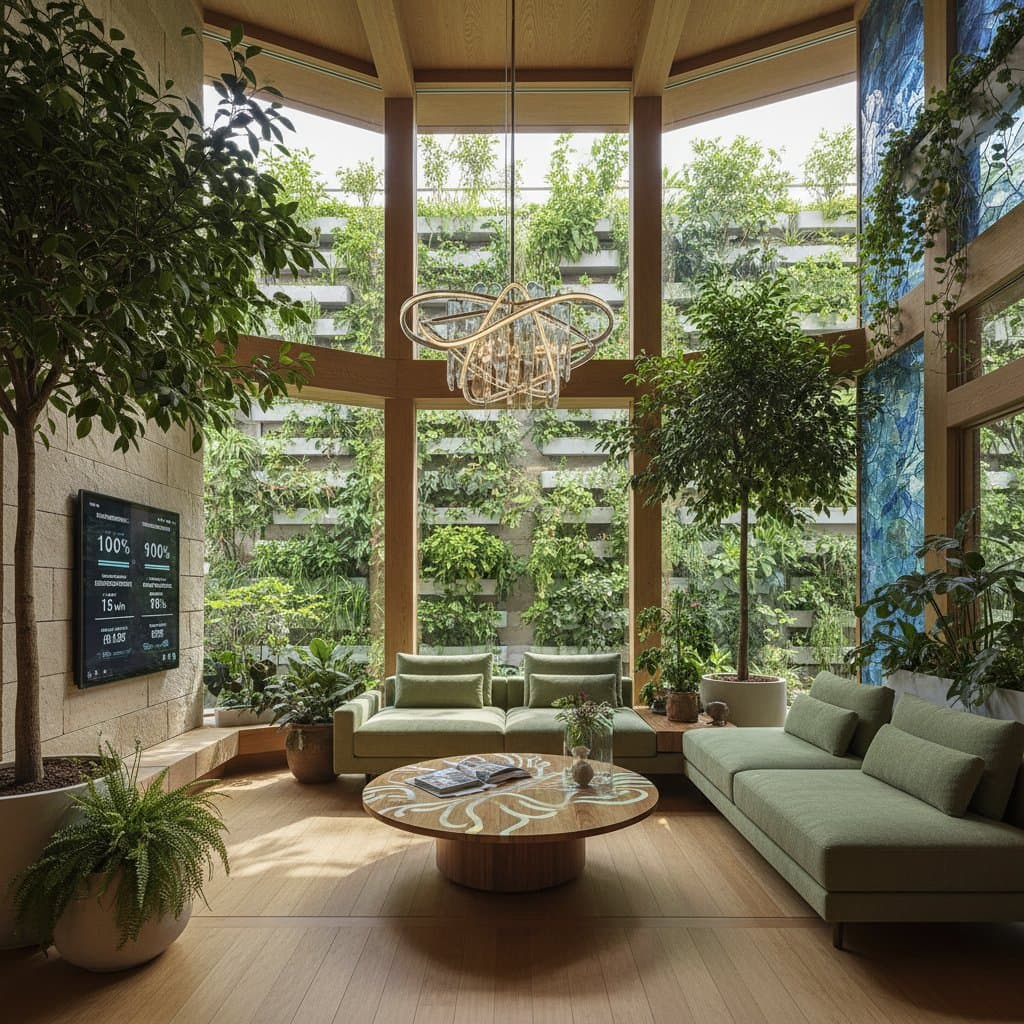
Solarpunk: Utopian Green Homes Redefining 2026
Imagine standing in a kitchen where sunlight streams through expansive glass panels, plants ascend interior walls, and solar panels generate a quiet hum to power household appliances. Beyond the windows, the neighborhood thrives with mature trees, communal gardens, and energy systems independent of fossil fuels. This scene represents the essence of solarpunk, an architectural and cultural movement that reshapes sustainable living.
Homeowners increasingly seek methods to lower energy expenses, enhance environmental stewardship, and craft residences that merge natural elements with contemporary functionality. Solarpunk design provides a viable approach by integrating renewable energy sources, eco-friendly architecture, and collaborative living arrangements. The emphasis falls on practical innovations that promote daily comfort, self-reliance, and ecological accountability rather than speculative advancements.
Core Elements of Solarpunk Architecture
Solarpunk residences prioritize a harmonious fusion of natural surroundings and technological solutions, always with human needs at the forefront. These structures incorporate renewable energy mechanisms, sustainable materials, and biophilic elements to maintain proximity to nature in everyday routines. Beyond minimizing ecological harm, such designs enhance residents' physical health and psychological state.
Fundamental Principles of Solarpunk Residences
-
Energy Autonomy
Solar panels and wind generators form the backbone of solarpunk builds. Residences typically feature rooftop photovoltaic arrays, compact vertical-axis turbines, or interconnected neighborhood microgrids. These setups diminish reliance on conventional power grids and ensure stability amid disruptions like storms or blackouts. -
Sustainable Construction Materials
Professionals select resources that regenerate, incorporate recycled content, or originate locally. Options include bamboo for framing, reclaimed timber for flooring, hempcrete for insulation, and repurposed steel for structural supports. Such choices lessen construction-related emissions while delivering enduring performance and aesthetic appeal. -
Biophilic Integration
This approach weaves organic features into architectural spaces. Examples encompass vertical gardens on walls, edible rooftop plantings, potted greenery indoors, and airflow systems that mimic natural breezes. These features stabilize indoor climates and elevate air purity, fostering a sense of vitality and environmental linkage. -
Water Conservation Strategies
Systems capture rainwater, repurpose graywater from sinks and showers, and employ permeable surfaces to handle runoff. A standard solarpunk dwelling might install subterranean storage tanks or advanced filters to redirect used water toward landscape irrigation, thereby curtailing overall consumption. -
Community-Oriented Features
Although individual homes embody solarpunk traits, the philosophy extends to collective elements like shared allotments, resource-sharing libraries for tools, and joint power networks. These components cultivate social bonds and optimize resource utilization across groups.
Implications for Homeowners
Solarpunk architecture presents homeowners with prospects for self-sufficient, economical living alongside hurdles in initial implementation. The advantages include long-term reductions in operating costs and elevations in living quality. Initial expenses demand careful planning to align with eventual returns.
Financial Considerations
Costs for constructing or retrofitting to solarpunk specifications fluctuate based on geographic factors and project scale. Consider these representative estimates:
- Photovoltaic System Setup: Between $12,000 and $30,000 for an average household, influenced by array capacity and governmental incentives like tax credits.
- Vegetated Roofs or Gardens: $15 to $40 per square foot, covering installation and planting.
- Rainwater Collection Apparatus: $2,000 to $8,000, scaled to reservoir size and purification technology.
- Eco-Materials Application: Typically 10 to 20 percent above conventional options upfront, offset by diminished upkeep over decades.
Substantial initial outlays often recoup through diminished energy payments within five to ten years. Additional perks encompass rebates from utilities, exemptions on property taxes, and enhanced market value upon sale.
Options for Implementation: Self-Directed or Expert-Led
Certain enhancements suit skilled individuals, such as assembling a modest rainwater collector or assembling a vertical plant display. Complex tasks, including photovoltaic integration or foundational alterations, necessitate certified specialists. Verify adherence to regional regulations and secure necessary approvals prior to commencement; numerous jurisdictions now streamline processes for green initiatives, accelerating timelines and curbing expenses.
Ensuring Safety and Regulatory Adherence
Safety underpins every solarpunk project. Wiring configurations must conform to established electrical standards, while water reuse setups require compliance with sanitation protocols to prevent health risks. Engage qualified experts for any load-bearing or circuit-related modifications, and opt for non-combustible substrates in vegetated roofs or facades to mitigate fire hazards.
Adapting Solarpunk to Local Contexts
Solarpunk principles flex to accommodate diverse environmental conditions and available resources. In sun-scorched, dry zones, emphasis shifts to heat mitigation through insulated barriers and covered patios. Temperate areas leverage thermal retention via advanced glazing and southward orientations to capture passive warmth.
Tailored Regional Examples
- Arid Landscapes: Rammed earth constructions, light-reflecting exteriors, and stack-effect vents draw cool air upward.
- Frigid Zones: Earth-coupled heat pumps paired with attached conservatories for year-round cultivation and supplemental heating.
- Tropical Settings: Elevated bases to evade flooding, plus verdant coverings that sequester humidity and channel excess water.
This adaptability renders solarpunk viable worldwide, transcending rigid styles to embody a philosophy of endurance, ecological attunement, and adaptive ingenuity.
Initiating a Solarpunk Residence Project
Interest in solarpunk invites incremental or comprehensive pursuits, guided by personal objectives, financial means, and property attributes.
Phased Implementation Guide
-
Evaluate Property Potential
Analyze solar paths, prevailing winds, ground composition, and drainage patterns. This analysis reveals inherent strengths for optimized planning. -
Define Core Objectives
Select pivotal features, perhaps commencing with energy generation or hydration management. This focus streamlines efforts and enables gradual funding. -
Assemble a Competent Crew
Seek practitioners versed in sustainable or energy-efficient builds. Review portfolios, solicit endorsements, and inspect prior installations. -
Plan Finances Prudently
Allocate for approvals, performance assessments, and ongoing care. Explore loans or grants designated for eco-upgrades. -
Embed Natural Components from the Outset
Designate areas for indigenous flora, strategic shading, and arboreal placements during early sketches. These integrations amplify efficiency and curb future expenditures. -
Track and Refine Operations
Post-completion, log consumption metrics for power and water. Refine via tweaks such as automated climate controls or barrier enhancements.
Enduring Advantages of Solarpunk Living
Solarpunk dwellings frequently prove more economical in operation compared to standard constructions. Decreased service charges, appreciated asset worth, and superior interior ambiance justify the commitment. Financial upsides pair with qualitative gains like purified atmospheres, serene acoustics, and diminished anxiety through abundant daylight and foliage.
Communities embracing solarpunk norms often pool assets, curbing excess and nurturing mutual support. This collective ethos amplifies individual efforts toward broader resilience.
Embracing Solarpunk Principles in Practice
Solarpunk adoption prioritizes incremental advancement over flawless execution, steering toward equilibrated existence. Initiate with a verdant rooftop, photovoltaic addition, or holistic redesign; each action advances autonomy and planetary care. Through deliberate architecture and functional mechanisms, residences evolve into exemplars of synergistic progress between innovation and the environment, nurturing both personal routines and global vitality.