
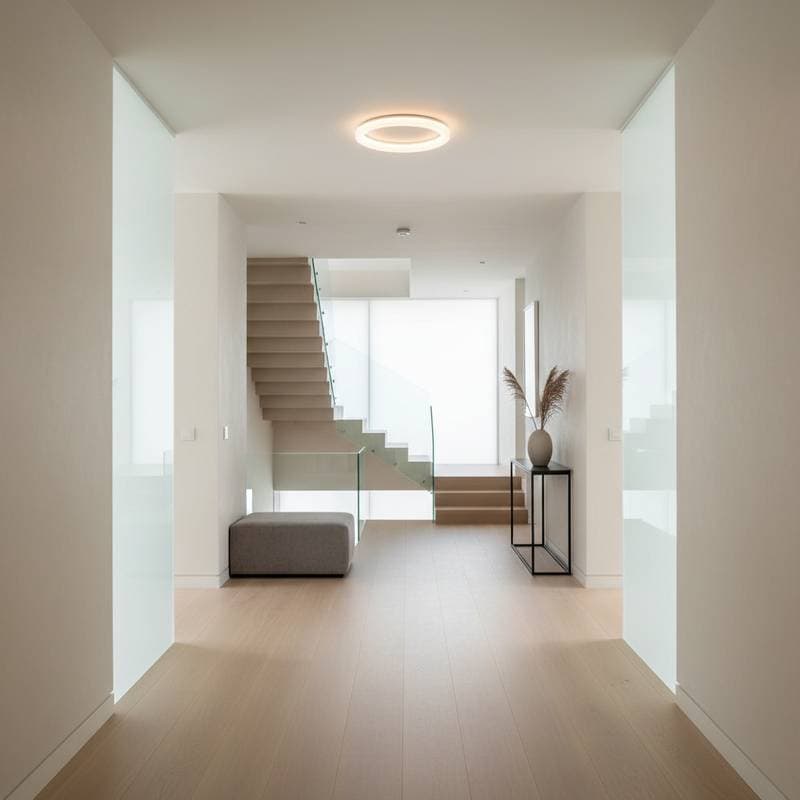
The Influence of Transitional Spaces in Home Design
You enter through the front door, hang your coat on a nearby hook, and pause before proceeding to the living room. This brief interval represents more than mere relocation. It marks an emotional and sensory transition, facilitated by what experts term a transitional or liminal space.
These areas serve as connectors between distinct zones. Examples include hallways, entryways, stair landings, and even the pathway from outdoor areas to interior spaces. Frequently ignored during renovations, such spaces profoundly affect the home's atmosphere and usability.
Recognizing the Potential of Transitional Areas
Homeowners typically prioritize principal rooms like kitchens, bathrooms, and living areas during redesigns or constructions. These spaces receive the majority of focus and financial investment. However, transitional zones determine the manner in which individuals navigate and perceive those key areas. They establish initial impressions, regulate circulation, and foster feelings of tranquility or expectation.
Effective utilization of these spaces can expand the perceived openness in smaller homes or provide unity in expansive ones. Additionally, they address functional needs, such as acoustic management, concealed storage, or visual breaks amid active environments.
Designing Transitions Purposefully
A transitional space extends beyond its role as a conduit. It functions as a boundary that signals impending changes to the senses. A dimly lit or confined hallway may act as an obstacle. In contrast, one illuminated and proportioned appropriately invites progression into adjacent rooms.
Intentional design in these areas crafts the emotional cadence of the residence. The objective involves rendering each passage deliberate, inviting, and cohesive.
Strategies to Elevate Transitional Zones
Consider these targeted approaches to infuse intention and utility into liminal areas.
-
Illuminate Effectively
Layered illumination influences perceptions of dimension and ambiance. Install wall-mounted sconces alongside ceiling-embedded lights or compact hanging fixtures in corridors and entrances to generate layers. Where daylight proves scarce, incorporate glossy finishes or pale hues to amplify brightness. -
Guide Circulation with Surfaces
Floor coverings direct natural progression. Extend consistent materials across linked rooms to promote harmony, or introduce gradual shifts in pattern or shade to denote boundaries. Transitioning from ceramic tiles in a kitchen to hardwood in an adjoining dining space indicates an atmospheric evolution without stark division. -
Incorporate Focal Elements
Place artwork, reflective panels, or structural accents like wainscoting to lend purpose to compact zones. Positioning a mounted artwork or decorative ledge at a hallway's terminus transforms it into a point of interest rather than a hurried route. -
Integrate Practical Features
These regions offer untapped potential for organization. Equip an entry bench with compartments, install wall-mounted pegs in a recess, or embed shelving along a passage to streamline routines without encroaching on available area. -
Manage Acoustics and Seclusion
Rigid materials amplify reverberations in elongated paths, so introduce textiles like area rugs or fabric panels to dampen sound. Within fluid floor plans, employ low partitions or folding dividers to sustain openness while mitigating auditory intrusion between activity centers.
Budget, Execution, and Preparation
Enhancements to transitional spaces seldom demand extensive overhauls. Certain modifications qualify as straightforward endeavors, while others necessitate expert involvement.
- Illumination Improvements: Swapping out existing units or incorporating additional wall lights typically costs between $150 and $600, influenced by electrical accessibility and component standards.
- Surface Adjustments: Fitting edging pieces or restoring a limited section might range from $200 to $800. Comprehensive resurfacing in a corridor could exceed $1,500.
- Integrated Elements: Tailored storage solutions or ornamental detailing generally falls between $500 and $3,000, based on selected substances and intricacy.
- Surface Treatments: Applying a new layer of coating in a neutral tone for a modest zone often stays under $200 and significantly expands the visual scope.
Complexity differs by task. Surface refreshes or accessory placements suit novices. Interventions involving electricity or framework demand certified specialists to ensure security and adherence to codes. Projects impacting structural integrity or egress paths require consultation with municipal authorities prior to commencement.
Adapting to Local and Structural Factors
Environmental conditions and building styles dictate transitional space performance. In moisture-prone or seaside locales, prioritize resilient bases such as natural stone or glazed ceramics for entry points. Colder regions gain from compact antechambers or sealed utility areas to regulate climate and dampness.
Historic properties frequently feature constricted passages or inclined risers that constrain modifications. Expanding a walkway or reconfiguring a landing enhances illumination and navigation, though such alterations warrant engineering evaluation. Contemporary constructions with seamless layouts may require understated markers to delineate shifts, favoring perceptual over physical separations.
Psychological and Perceptual Advantages
Deliberate transitional designs surpass logistical organization. They afford mental preparation when shifting between communal and personal domains, labor and leisure, or external and internal settings. A modest intermediary zone minimizes optical disarray and tension, particularly in dynamic households.
Progressing from an illuminated culinary space to a subdued passage yields a serene interlude. An thoughtfully arranged entry conveys the home's pulse upon initial entry. Such intervals promote psychological ease and equilibrium in routine activities.
Implementing Transitional Enhancements
Examine your current use of interconnecting areas. Identify accumulation spots, illumination deficiencies, or circulation impediments. Select modifications that streamline these passages and heighten enjoyment.
Commence with economical options like coatings and fixtures for substantial results at low expense. For broader initiatives, evaluate tactile qualities, scaling, and objectives. Every boundary ought to seamlessly link preceding and subsequent environments.
Purposeful attention to liminal elements elevates routine connectors into vital home components. They prepare inhabitants for subsequent experiences on physical and affective levels. Modest adjustments in these linking sectors yield a more serene, integrated setting that aligns with lifestyle demands.