
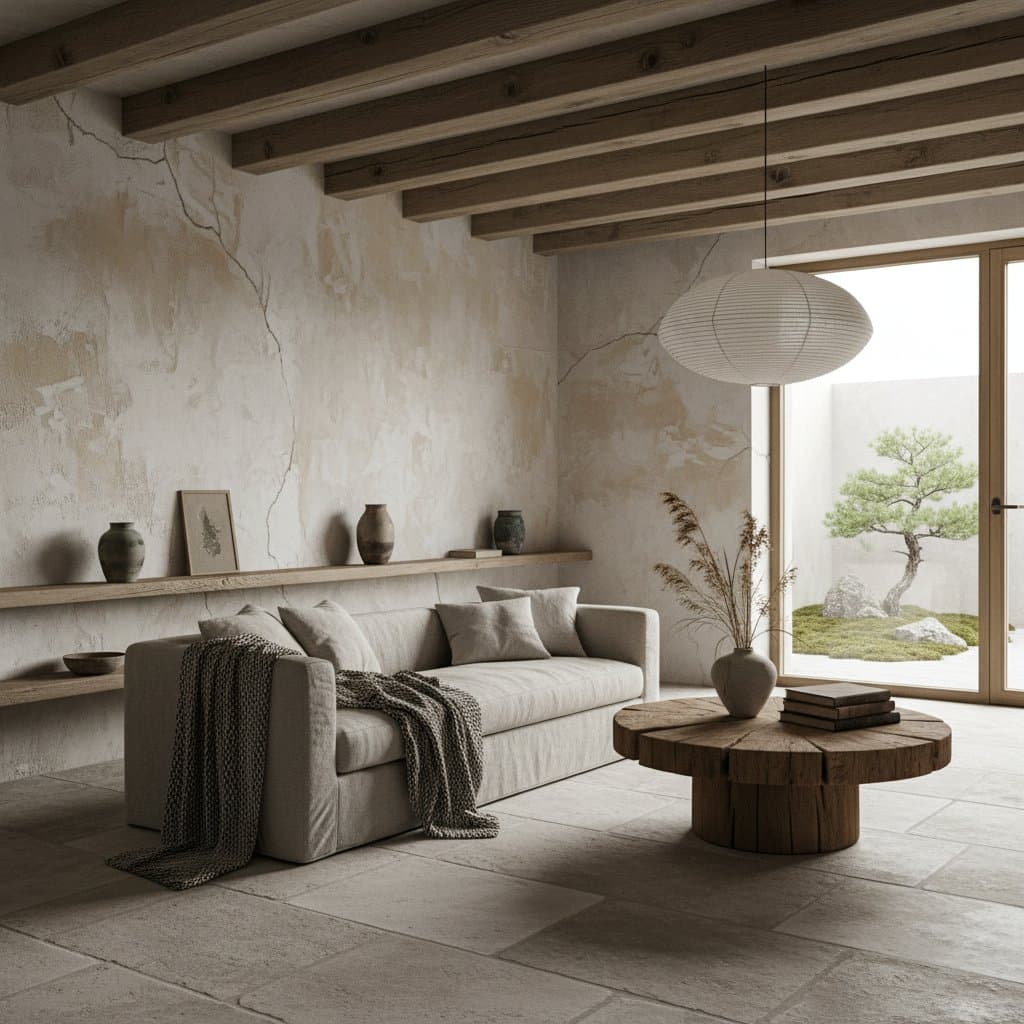
Embracing Wabi-Sabi: The Imperfect Beauty Shaping 2026 Interiors
Consider a subtle crack in a kitchen tile or a softened edge on a leather sofa. These marks of time once prompted immediate replacement. In 2026, interior design shifts toward honoring such details through Wabi-Sabi, a Japanese philosophy that values simplicity, authenticity, and the transient beauty of the imperfect.
Homeowners undertaking renovations find in Wabi-Sabi a counterpoint to the flawless finishes of showroom models. This aesthetic fosters warmth and individuality while minimizing environmental impact and expenses. Grasping its rising prominence equips individuals to select elements that align with personal style and long-term satisfaction.
The Appeal of Imperfect Aesthetics in Contemporary Homes
Contemporary culture often elevates novelty and exactitude in living spaces. However, numerous residents express fatigue with environments that appear cold and impersonal. Wabi-Sabi encourages a deliberate, reflective engagement with one's surroundings, shifting focus from perpetual renewal to appreciation of existing features.
Practically, this design philosophy aligns with fiscal and ecological priorities. Opting to repurpose aged materials, restore surfaces rather than discard them, and select organic coatings typically proves more economical than comprehensive overhauls. Such strategies diminish landfill contributions and yield interiors that possess depth and permanence.
Implementing Wabi-Sabi Principles in Your Space
Transformation requires no complete overhaul. Wabi-Sabi thrives on curation of current possessions and subtle adjustments to enhance organic harmony.
Step 1: Declutter Intentionally
Begin by eliminating ornaments that appear contrived or excessively refined. Retain solely those objects with sentimental value or utility. This process opens space for the raw textures and subtle flaws central to Wabi-Sabi's essence.
Step 2: Accentuate Natural Aging
Examine rooms for elements that have matured organically. Exposed wooden beams, raw brick surfaces, or stone flooring gain character when unveiled rather than concealed beneath layers of varnish or color. Apply a gentle abrasion followed by a natural oil treatment to revitalize without obliterating their narrative.
Step 3: Prioritize Enduring Craftsmanship
Wabi-Sabi emphasizes select, superior items over abundance. For acquisitions, seek furnishings with robust builds and untreated surfaces. A sturdy oak dining table, for instance, ranges from $700 to $1,200, while artisanal clay lamps cost $80 to $150. These choices endure and enhance over years, offering eventual savings.
Step 4: Honor Visible Mending
Repairs that remain evident hold aesthetic power. Drawing from kintsugi, the Japanese technique of repairing ceramics with gold-infused lacquer to highlight fractures, apply similar reverence domestically. A mended fabric panel, refreshed upholstery on a seat, or restored plank flooring embodies resilience and history.
Step 5: Integrate Organic Elements
Incorporate flora, minerals, and woody accents to link interiors with the outdoors. Select resilient varieties such as snake plants or pothos for effortless care. A modest arrangement of foraged branches or fresh blooms in a plain vessel infuses vitality into sparse settings.
Aligning Wabi-Sabi with Everyday Realities
Though derived from ancient Japanese roots, Wabi-Sabi integrates seamlessly into today's residences. Its emphasis on serene environments and forthright substances resonates with the demand for authentic, inhabited atmospheres.
Minor irregularities humanize a dwelling. An irregular plaster finish or discernible paint strokes conveys craftsmanship and narrative. These nuances affirm that a home serves as a sanctuary for daily existence, not an idealized exhibit.
Sustainability forms another cornerstone. By valuing patina and usage, Wabi-Sabi interrupts the pattern of frequent disposals. Techniques like surface renewal, item adaptation, and material recycling lower consumption and root spaces in temporal and spatial context.
Practical Steps for Lasting Tranquility
Initiate Wabi-Sabi adoption modestly, targeting a single area. Apply foundational tenets: streamline possessions, emphasize raw substances, and welcome subtle flaws. Swap artificial textiles for breathable cotton or linen, restore timber elements in lieu of substitution, and permit ambient illumination to set the ambiance.
As familiarity with this serene equilibrium grows, extend the method across additional rooms. The approach cultivates attentiveness and restraint, revealing that true elegance resides in the present rather than the pristine.
For larger projects, consult professionals versed in these ideals. Inquire about regional suppliers of salvaged woods, matte varnishes, and earthen compounds. Specify desires for pronounced wood grains, minor variances, and artisanal finishes. Competent experts balance aesthetic goals with essential durability and compliance.
Adopting Wabi-Sabi views the home as an evolving entity. Faint marks, gradual discoloration, and asymmetrical planes weave into its evolving tale. This mindset liberates from the pursuit of flawlessness, inviting the subtle solace of genuineness.