
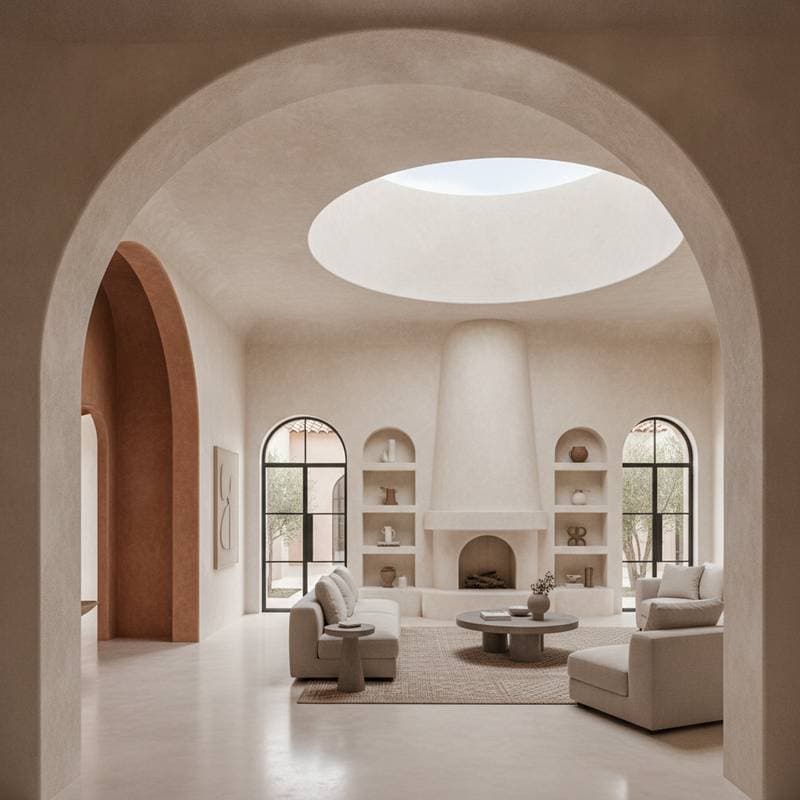
Neo-Mediterranean Arches Define 2026 Home Sanctuaries
Curved doorways and arched windows appear frequently in new homes and remodels. This trend signals the return of Neo-Mediterranean style, which blends warm coastal charm with modern simplicity. The arches establish a calm, grounded mood that turns a house into a personal retreat.
Homeowners planning updates or new construction can use this style to balance comfort with elegance. The curves soften modern lines, improve flow between spaces, and introduce classic architectural elements into daily living.
Reasons for the Return of Arches
Interest in arches stems from both practical needs and emotional appeal. After years of straight lines and minimalism, many residents seek warmer, more inviting interiors. Arches supply gentle curves that feel timeless and cozy.
Arches also define open layouts without closing them off. An arched doorway between kitchen and living room maintains airiness while adding subtle separation. In smaller homes or apartments, the shape creates structure without sacrificing light or openness.
Architects and designers favor these forms because they pair well with contemporary materials. Plaster, stone, or clean drywall finishes all accommodate the curve.
Placement Options for Arches
Arches suit both major architectural features and smaller decorative accents. Consider these locations:
- Entryways. A rounded front door or archway delivers instant charm and sets a welcoming tone.
- Interior passages. Replace sharp-edged doorways with curved arches to smooth transitions between rooms.
- Windows and niches. Arched windows frame outdoor views softly while bringing in light. Built-in niches display art or plants.
- Ceilings. Barrel or groin vaults add height and drama in hallways or dining areas.
- Outdoor spaces. Patio arches or pergola openings extend the Mediterranean aesthetic to gardens or pool areas.
Each option scales to different budgets. A simple drywall arch may cost a few hundred dollars, while custom stonework requires several thousand.
Steps to Incorporate the Style
A full renovation is not required. Begin with one or two targeted updates.
Select appropriate materials. Use natural textures such as plaster, limestone, or smooth stucco. These finishes remain authentic and complement wood beams or terracotta tiles. Painted drywall arches in soft neutrals achieve a comparable result with a modern edge.
Work with color and light. Warm whites, sandy beiges, or muted terracottas reinforce the Mediterranean tone. Position sheer curtains or open layouts so light passes through the arches and highlights their shape.
Combine old and new elements. Pair curved openings with clean-lined furniture and minimalist lighting to prevent an overly traditional appearance.
Engage skilled tradespeople when necessary. Framing and finishing an arch demands precision. A carpenter or plaster specialist ensures the curve stays smooth and symmetrical. Labor costs vary by location and project scope.
Advantages and Limitations
Review both benefits and potential drawbacks before proceeding.
Advantages
- Adds architectural interest without visual clutter.
- Produces a softer, more relaxed atmosphere.
- Adapts to many design approaches, from rustic to modern coastal.
- Raises perceived value and custom character of the home.
Limitations
- Custom framing or finishing increases labor expenses.
- Pairs less easily with certain modern trim or cabinetry.
- May require patching and repainting upon later removal.
Budget-conscious projects can employ faux arches constructed from lightweight framing or decorative molding. These options replicate the shape without structural alterations.
Budget, Schedule, and Installation Considerations
Small decorative arches can be completed in a weekend. A structural arch between load-bearing walls typically requires a week or longer, especially when drywall, paint, or electrical work is involved.
A basic drywall arch begins around several hundred dollars. Masonry or stone versions often exceed several thousand, depending on materials and craftsmanship. Request itemized quotes before engaging a contractor.
Decorative arches usually need no permits, yet structural modifications may require inspection. Consult the local building department in advance.
Prefabricated arch kits provide a do-it-yourself route for standard openings. Installation uses basic tools, yet the curve must remain even and finish work must be completed carefully.
Maintaining the Timeless Appeal of Arches
After installation, light shifts differently through the home and rooms feel more connected. Dust curved moldings regularly, employ accent lighting to emphasize the curve, and position artwork or plants to draw the eye upward. The simplicity of the forms allows the style to adapt as preferences evolve, keeping arches as a lasting backdrop.