
Liminal Spaces in Contemporary Home Design
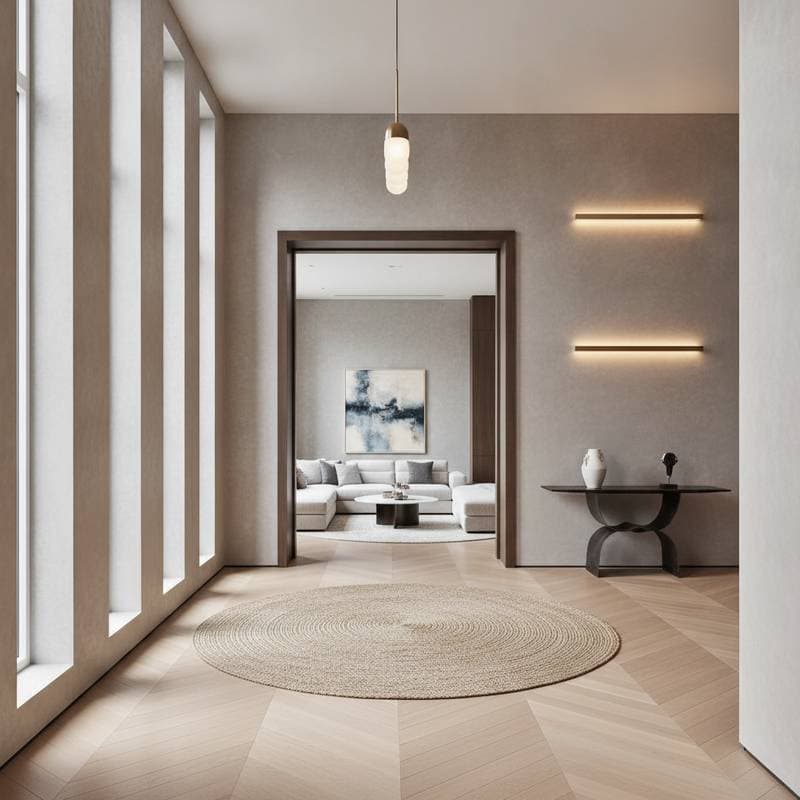
You walk through your home and pause in the hallway. It is not quite a room but not just a passage either. Light shifts as it enters from the next space, and for a moment it feels like you are standing between two worlds. That in between feeling is what designers call a liminal space, and it is quietly transforming modern residential design.
Homeowners are beginning to see these transitional zones as more than functional pathways. When planned with intention, they can become some of the most emotionally engaging and visually dynamic areas in the house. From entryways that set the tone for the day to courtyards that blur the line between inside and outside, liminal spaces invite movement, reflection, and balance.
What Defines a Liminal Space
The term liminal comes from a word meaning threshold. In home design it refers to spaces that connect or transition between distinct zones. These include hallways, foyers, stairwells, mudrooms, patios, sunrooms, and even glass corridors linking separate wings of a home.
What makes them special is their ability to influence how you experience the rest of the house. Instead of acting as dead zones, they can slow the pace, bring in natural light, and create a sense of anticipation as you move through the space.
Benefits for Modern Homes
Modern living favors open layouts and continuous flow, but that can sometimes lead to visual or sensory fatigue. Liminal spaces help restore rhythm and separation without closing the home off completely. They give structure to open plans, offering subtle pauses between public and private areas.
Architects and interior designers now use these transitional zones to control mood and movement. A softly lit hallway can feel calming after a bright kitchen. A glass breezeway can make a daily walk between rooms feel refreshing. These spaces do not demand attention, yet they often become the most memorable parts of a home.
Steps to Design Transitional Zones
To make liminal spaces functional and beautiful, start with purpose. Ask how you want each threshold to feel. Should it energize, calm, or connect? Once you define that goal, you can shape the materials, lighting, and layout accordingly.
Here are practical ways to design successful transitions:
- Use natural light wisely. Add skylights, narrow windows, or clerestory openings to soften the light as it moves from one zone to another.
- Play with flooring and texture. Changing from tile to wood or from smooth plaster to exposed brick helps define boundaries without using walls.
- Control sight lines. Frame views into adjoining rooms or outdoor areas to create curiosity and depth.
- Incorporate built ins. Benches, shelving, or display niches can turn an ordinary hallway into a usable and attractive feature.
- Balance proportion. Keep transitional spaces narrow enough to feel intimate but wide enough for comfortable movement. Aim for at least three feet of clear walking width.
Budget and Regulatory Factors
The cost of enhancing or building liminal spaces varies widely based on materials and complexity. Retrofitting an existing hallway with improved lighting and finishes might cost between 2000 and 5000 dollars. Constructing a glass breezeway or enclosed sunroom could range from 20000 to 60000 dollars or more.
If you are planning new construction or a significant remodel, discuss these zones early with your architect or designer. Adjusting structure later in the process can be expensive. Permits and codes may apply if you are altering structural walls, adding windows, or connecting separate parts of the home. Local building departments often require inspections for electrical and insulation changes. Always verify before starting work.
Safety should never be overlooked. Stairwells and entry transitions need proper lighting and slip resistant flooring. If you are working near exterior walls or glass panels, confirm that all glazing meets safety standards.
Climate Specific Approaches
In colder climates, enclosed transitional zones like mudrooms or vestibules help conserve energy and reduce drafts. In warmer regions, open air courtyards or covered walkways can encourage ventilation and natural cooling. Materials also matter. A concrete breezeway might stay comfortable in coastal humidity, while a wood finished hallway adds warmth in cooler areas.
When designing for your region, consider how the space connects to the outdoors. A liminal zone that captures morning sunlight in one location might need shading in another. Matching the design to the local environment increases durability and comfort.
Impact on Home Value
While liminal spaces are not typically discussed in real estate listings, they influence perceived value. Buyers often remember how a house feels as they move through it. Well designed transitions create that impression of flow and coherence that makes a home feel more expensive, even if the square footage is modest.
Upgrading these areas rarely produces a direct financial return like a kitchen remodel, but it strengthens overall appeal and livability. Think of it as an investment in atmosphere and daily comfort rather than resale alone.
Implementing Changes in Your Home
If you are planning a renovation, start by mapping the flow of your home. Walk from room to room and notice where the energy shifts or stalls. Identify spaces that feel overlooked or purely functional. Those are your opportunities.
For minor updates, experiment with lighting, texture, and art placement to bring life into transition points. For larger projects, consult a designer experienced in transitional architecture who can integrate structure, light, and material into a cohesive plan.
Liminal spaces remind us that design is not only about where we live, but how we move through it. They transform ordinary moments, like stepping through a doorway, into experiences that shape how we feel at home.