
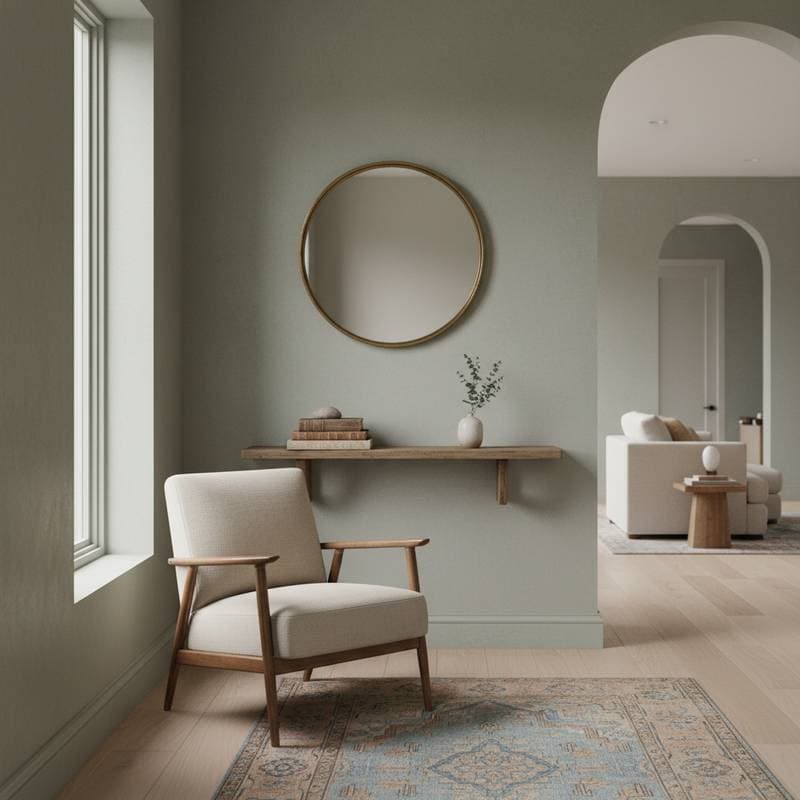
Liminal Interiors: The Nostalgic Design Trend of 2026
Have you ever walked into a hallway or an empty waiting room and felt strangely calm, almost suspended in time? That quiet, in-between feeling is what designers now call a liminal space. It represents the pause between where you have been and where you are going. In home interiors this idea is turning into one of the most personal and nostalgic design approaches around.
Instead of filling every corner with new furniture or bright color, more homeowners are embracing quiet transitional areas that feel familiar, imperfect, and oddly comforting. If your home feels too busy or disconnected, this style might be what you need. By blending nostalgic details with soft transitional design, you can create rooms that feel peaceful, grounded, and emotionally warm.
This guide explains what liminal interiors are, why they matter, and how you can bring them into your home in practical, affordable ways.
Why Nostalgia Fits So Naturally Here
Nostalgic interiors connect you to feelings of warmth and familiarity. They use materials, colors, and forms that remind you of simpler times. When paired with the stillness of liminal design, nostalgia adds emotional depth. Together they create spaces that feel lived in, calm, and quietly meaningful.
You might choose to express nostalgia through retro furniture, soft lighting, or even the smell of wood polish. The key is to bring in elements that feel emotionally true to you. This combination helps balance the uncertainty of modern life with something steady and recognizable.
Creating Liminal Zones in Your Home
You do not need to redesign your entire house to achieve this effect. Often the most powerful liminal areas are small transitions between rooms. Here are some ways to shape them.
The Entryway
Your entryway sets the emotional tone for your home. Keep it uncluttered with one or two pieces that carry personal meaning, such as a vintage mirror or a small wooden bench. Use low lighting to create a calm shift from the outside world.
Hallways and Stairs
These spaces are naturally liminal. Keep walls simple, perhaps with a single framed photograph or soft wall color. A runner rug or subtle wall sconce can make the journey from one room to another feel intentional.
Corners and Nooks
Turn unused corners into reflective zones. A small chair, floor lamp, and side table can transform an empty area into a peaceful reading spot.
Bathrooms and Utility Spaces
Even everyday spaces can hold quiet beauty. Try muted tiles, a small plant, or diffused lighting. These details help create a sense of calm transition in places you normally overlook.
Weighing the Benefits and Drawbacks
Every style has trade-offs. Knowing them helps you plan realistically.
Pros:
- Creates calm, emotionally resonant spaces.
- Easy to adapt to any home size or budget.
- Works with secondhand or repurposed materials, reducing cost and waste.
- Encourages slower living and mindful design choices.
Cons:
- Can appear unfinished if not carefully balanced.
- Subtle colors and lighting may feel too muted for those who prefer bold decor.
- Requires ongoing editing to prevent clutter from returning.
- Some nostalgic pieces may need refinishing or repair, adding time or expense.
If you enjoy subtlety and reflection, the pros will likely outweigh the cons.
Safety and Practical Considerations
Even though liminal design looks effortless, you still need to handle materials safely. Always hire a licensed electrician for lighting changes beyond bulb replacement. Some vintage pieces may have lead paint or old finishes. Sand or strip them outdoors using protective gear.
If you remove walls or doors to open transitions, check for load-bearing structures and obtain proper permits when needed. Keep pathways clear to avoid tripping hazards, especially in dimly lit areas. Safety should always come before aesthetics. A peaceful home depends on both comfort and security.
Maintaining Visual Consistency
Since liminal spaces depend on subtle transitions, consistency matters. Repeat colors in different rooms to create flow. Use similar textures across spaces, such as natural wood or linen. Limit patterns to one or two per area. Maintain open floor space and avoid overfilling corners. Step back often and evaluate how each room feels as you move through it.
Your goal is to make the journey through your home feel smooth, quiet, and emotionally connected.
Integrating Liminal Design Into Daily Life
Once you have created a few liminal zones, you may notice how they influence your daily rhythm. These spaces encourage you to slow down, reflect, and breathe. They can make transitions between work and rest feel calmer and help your home feel more grounded.
To maintain the atmosphere, tidy often but lightly. Keep surfaces clear, adjust lighting as seasons change, and allow objects to age naturally. The small imperfections that come with time form part of the charm.