
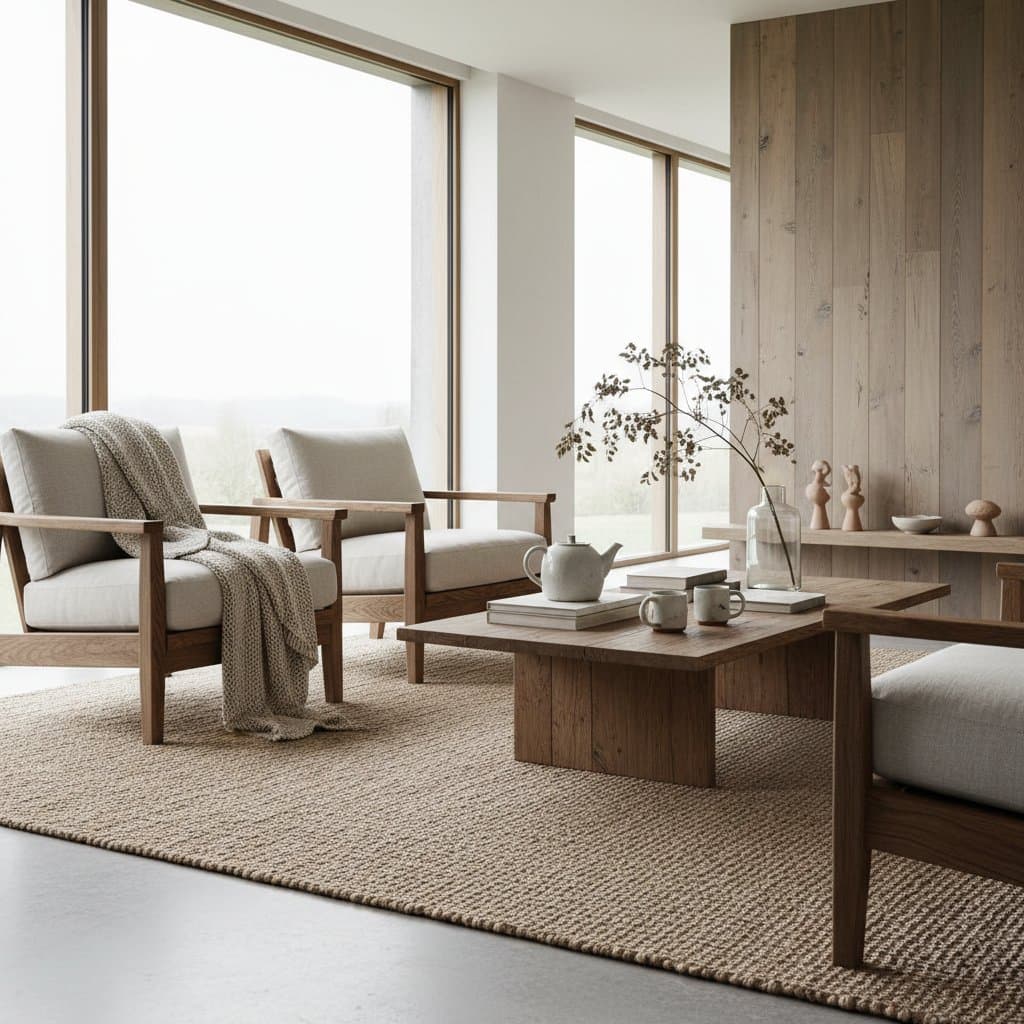
Imperfect Minimalism Adds Warmth Without Clutter
Have you ever looked around your home and felt tired of trying to keep everything perfectly neat and styled? Many people appreciate the clean lines of minimalism yet find the ultra-sleek versions too cold for daily life. Imperfect minimalism offers a practical alternative that maintains simplicity while introducing warmth and character.
This approach draws from principles like Japanese wabi-sabi, which values natural aging and small irregularities. It produces spaces that remain open and functional yet feel personal and lived-in. The result balances intention with authenticity.
Defining Imperfect Minimalism
Imperfect minimalism softens traditional minimalism by embracing visible signs of use and craftsmanship. A chipped vase or uneven handmade stool contributes to the overall story rather than detracting from it. The focus stays on balance rather than accumulation.
Natural materials and muted tones form the foundation. These choices allow rooms to age gracefully while avoiding the sterility of glossy surfaces. Authenticity replaces the pursuit of showroom perfection.
Reasons This Style Resonates Currently
Constant exposure to polished images online often creates pressure to maintain flawless interiors. Imperfect minimalism counters that stress by permitting everyday variations. A rumpled linen throw or mismatched ceramics become acceptable elements in an otherwise calm setting.
The style proves attainable for real households. It supports sustainability through reuse and durable materials. Homeowners gain peace without sacrificing personality.
Core Elements
Several guiding principles shape this aesthetic.
- Natural materials such as wood, clay, linen, wool, and stone develop character over time.
- Muted colors including warm whites, soft beiges, and gentle earth tones create depth without harshness.
- Texture and patina from rough plaster or worn leather prevent flatness.
- Simple forms keep attention on materials rather than ornate details.
- Intentional imperfection highlights authenticity through items like hand-formed pottery.
Steps to Apply the Style
Begin by decluttering with purpose. Evaluate each item for genuine use or enjoyment, then retain a few meaningful pieces in view. Next, select honest materials like solid wood or linen that improve with age.
Mix new purchases with vintage finds to add instant depth. Introduce texture through woven rugs, limewashed walls, or unglazed ceramics. Maintain a warm yet simple palette by testing samples in natural light.
Display everyday objects intentionally, such as grouped wooden spoons or folded towels on open shelves. Accept minor flaws like a scratched table as reminders that homes serve real life. Edit regularly to preserve clarity.
Advantages and Trade-offs
This style delivers relaxed maintenance and encourages sustainable choices. It adds warmth while preserving openness. Potential drawbacks include the need for careful editing to avoid unintended mess and occasional upkeep for natural finishes.
Budget adaptations work across price points. Thrifted solid-wood pieces and DIY textured finishes reduce costs. Time investment remains moderate when changes occur room by room.
Suitable Spaces
Living rooms benefit from layered neutrals and reclaimed wood. Kitchens gain warmth from open shelving and matte ceramics. Bathrooms suit natural stone or tadelakt plaster paired with simple wood accents. Bedrooms favor breathable linen and calm tones for restful results.
Avoiding Common Pitfalls
Prevent excess clutter by keeping surfaces largely clear. Reject artificially distressed items in favor of genuine wear. Prioritize function alongside appearance. Mix tones and textures instead of forcing uniformity.
Practical Tips
Start with one small area to test the approach. Source secondhand or handmade items for unique character. Leave negative space around key pieces. Reassess belongings every few months.
Daily Experience
Residents report reduced anxiety around maintenance once they adopt this mindset. Homes feel more welcoming because they reflect actual use rather than staged ideals. The aesthetic gains appeal over time as materials develop patina.