
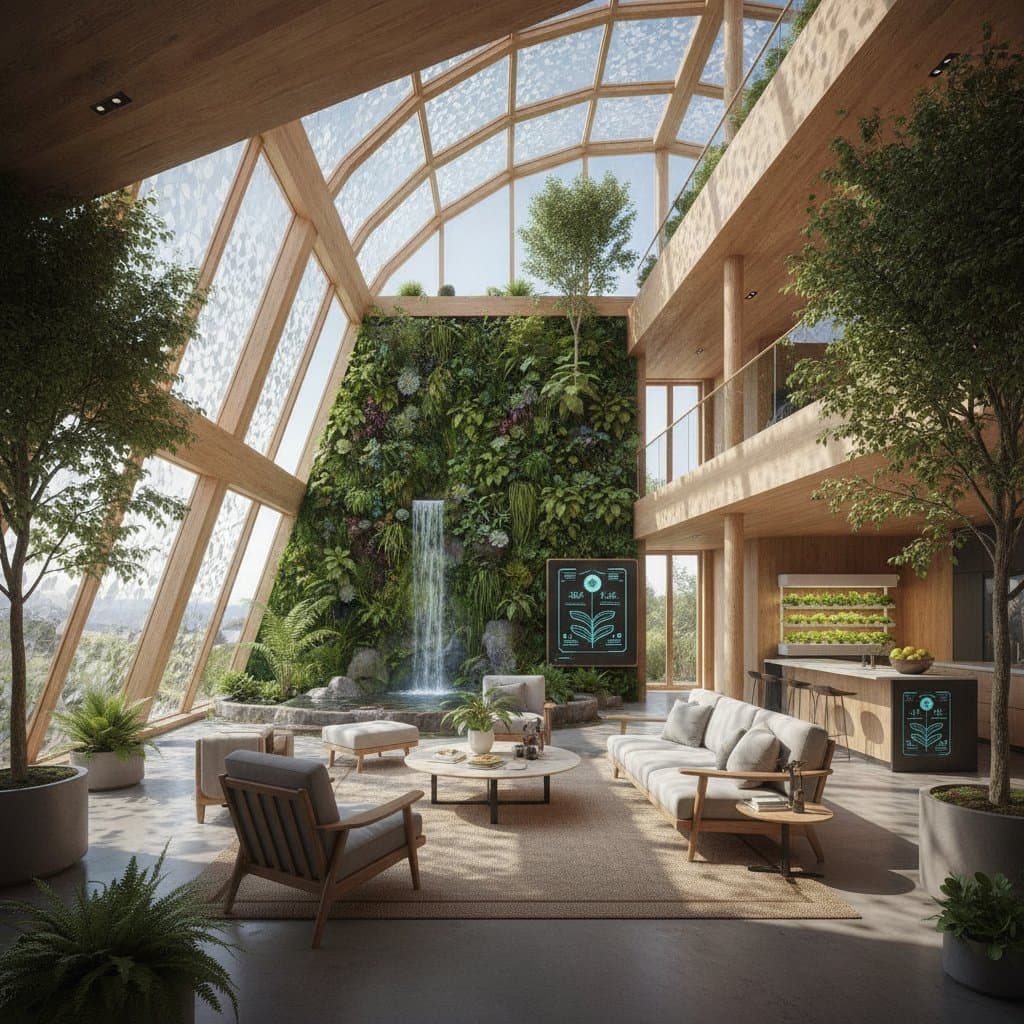
Solarpunk Architecture: Eco-Futurism for Tomorrow's Homes
Imagine waking up to sunlight filtering through a green roof. Walls that breathe surround you while energy systems power the home without fossil fuels. Many homeowners now explore what it takes to live in a house that gives back to the planet. This question leads to solarpunk architecture. The movement blends sustainability, beauty, and technology into homes built for a cleaner future.
The Problem: Conventional Homes and Environmental Strain
Most traditional homes depend on energy-hungry systems and synthetic materials. The outcome includes high utility bills, poor indoor air quality, and a large carbon footprint. Retrofitting older homes can help, yet outdated designs often limit efficiency gains. Homeowners seeking greater sustainability find that standard construction methods fall short of their environmental goals.
The Opportunity: Building for Regeneration
Solarpunk architecture provides an alternative. These homes aim to create balance with nature rather than simply reduce harm. They incorporate renewable energy, water collection, natural lighting, and biophilic design. Living systems become part of the built environment. The result is eco-futurism made practical for daily life.
Key Features of Solarpunk Homes
-
Energy Independence
Solar panels, small wind turbines, and battery storage allow solarpunk homes to operate with limited grid reliance. A mid-sized system for a single-family home typically costs between $15,000 and $30,000. Lower energy bills offset the investment over time. -
Living Materials
Green roofs, vertical gardens, and natural insulation such as hempcrete or straw bale improve air quality and reduce heat gain. These materials are renewable and often locally sourced, which lowers transportation emissions. -
Smart Technology Integration
Automation systems track energy use, lighting, and water consumption. Smart thermostats and sensors adjust conditions automatically. Many homeowners report that these systems recover their cost within a few years through reduced utility expenses. -
Water Efficiency
Rainwater harvesting, greywater recycling, and low-flow fixtures decrease demand on municipal supplies. A collection and filtration setup ranges from $2,000 to $8,000 depending on capacity. -
Community-Oriented Design
Solarpunk neighborhoods often include shared gardens, tool libraries, and microgrids. These features reduce individual costs and strengthen local connections.
Practical Considerations Before You Build
Permits and Codes: Some municipalities continue to adapt to alternative building methods. Review local codes before installing composting toilets, greywater systems, or off-grid power setups.
Costs and ROI: Solarpunk construction can exceed typical building costs by 10 to 25 percent. Long-term savings in utilities and maintenance often balance the difference. Incentives and rebates for renewable energy further reduce upfront expenses.
Maintenance: Living materials require regular care. Green roofs need seasonal trimming and inspection. Solar systems benefit from periodic cleaning and monitoring. Plan for ongoing upkeep to protect the investment.
Safety: Electrical and structural work tied to renewable systems should be completed by licensed professionals. Complex installations attempted without proper credentials can void warranties or create hazards.
Getting Started with Solarpunk Design
Begin with small upgrades if a full renovation feels overwhelming. Replace traditional siding with natural materials, add rooftop solar, or install a rainwater system. Each step increases self-sufficiency. For larger projects, work with an architect experienced in sustainable design and a contractor familiar with renewable systems. Solarpunk architecture delivers homes that support daily comfort, control long-term costs, and contribute to environmental health.