
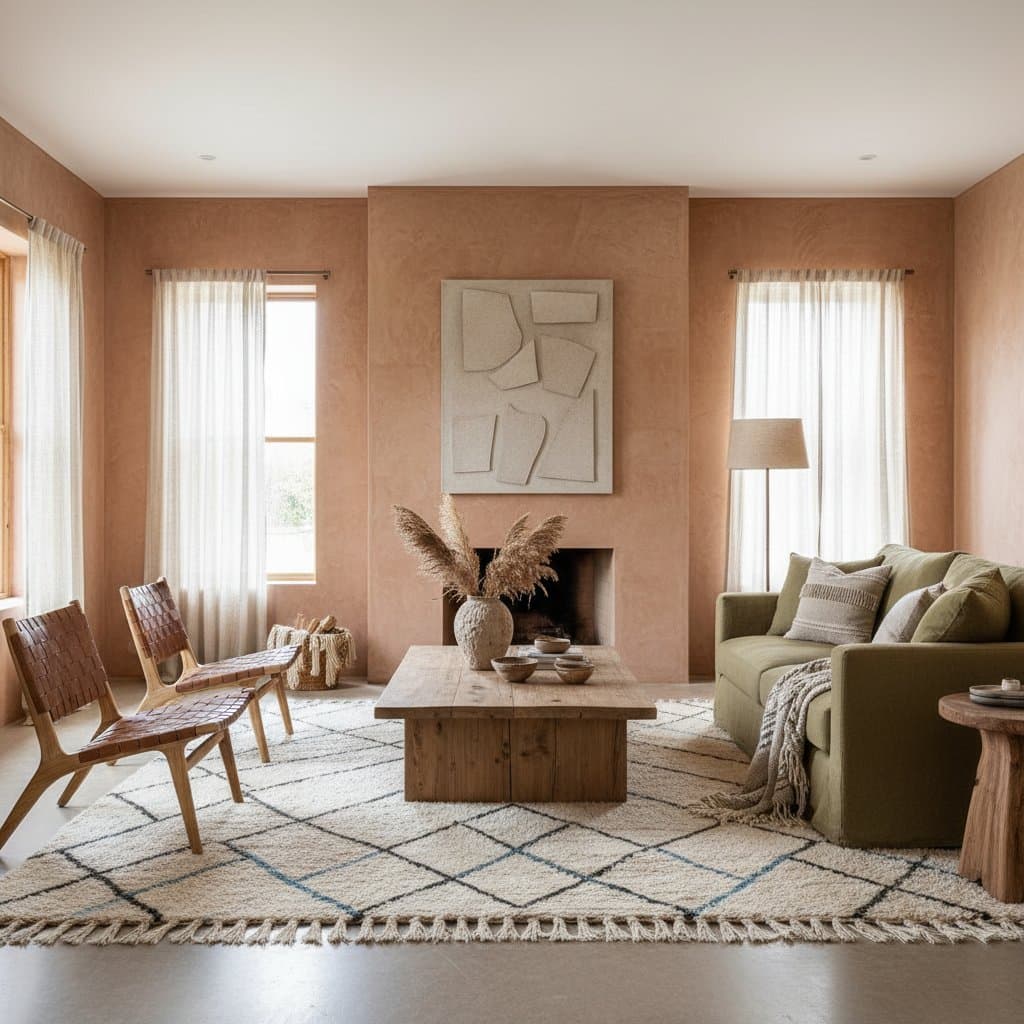
Handcrafted Textures Set to Dominate 2026 Interiors
Imagine entering a room that envelops you in warmth and vitality. Walls reveal subtle narratives through their surfaces, furniture invites touch with inherent irregularities, and fabrics evoke the presence of skilled hands. This sensory experience defines handcrafted textures, which will shape interior design trends in 2026.
Homeowners increasingly reject sterile, flawless environments in favor of genuine imperfection. A growing desire for authenticity fuels designs that highlight handmade elements, tactile surfaces, and materials bearing the mark of craftsmanship. Smooth, mass-produced finishes yield to visible brushstrokes, weaves, and natural grains that add depth and character.
The Appeal of the Handmade
Handcrafted textures foster a profound sense of connection. Each brushstroke, carving, or stitch reflects human effort, transforming spaces into intimate environments. Tracing the trowel marks on a lime-plastered wall or the knots in a reclaimed wood table evokes stories unique to the artisan.
This trend extends beyond sentiment to practical benefits. In an era dominated by digital interfaces and synthetic materials, these elements reconnect inhabitants with natural simplicity and the allure of imperfection. They ground interiors in reality, enhancing emotional resonance.
How This Trend Shapes Interiors
Designers nationwide integrate handcrafted materials to craft sophisticated yet personal rooms. These elements introduce layers of texture and variation, making spaces feel dynamic rather than contrived. Key examples include:
- Clay and lime plaster walls that diffuse light gently and evolve with daily illumination.
- Textured stone and rough-hewn wood accents that provide understated drama in kitchens and living areas.
- Handwoven textiles for upholstery and drapery that impart subtle motion and coziness.
- Ceramic tiles featuring irregular glazes that reflect light variably from different viewpoints.
- Metal elements that develop natural patina over time, adapting to their surroundings.
Such details ensure interiors remain engaging and alive.
Transform Your Space with Artisan Wall Finishes
Walls serve as the primary canvas in any home, capable of becoming focal points. While smooth drywall has prevailed, artisan wall treatments now reclaim prominence. Venetian plaster, clay plaster, and tadelakt stand out for their distinctive qualities.
- Venetian Plaster: Composed of lime and marble dust, this method yields a luminous, polished finish. Available in a spectrum of tones from soft neutrals to rich depths, it suits both sleek applications and lightly textured variations.
- Clay Plaster: Ideal for eco-conscious designs, this breathable option manages indoor humidity while delivering a soft, matte appearance. Its organic feel aligns with natural aesthetics.
- Tadelakt: Rooted in Moroccan tradition, this waterproof technique produces a smooth, shimmering surface perfect for bathrooms or feature walls. It combines luxury with grounded earthiness.
Application demands expertise, as the artisan's technique infuses each surface with individuality. No two results match exactly, ensuring bespoke character.
Furniture That Tells a Story
Consider a dining table hewn from regional oak, its face marked by natural ridges and fissures. Or a coffee table supported by a hand-forged iron frame showing hammer impressions. These features convey narrative through their creation.
This preference for artisan furniture carries ethical weight. Patronizing local makers minimizes ecological footprints and preserves endangered skills. Begin incorporating such pieces gradually with targeted additions:
- A ceramic lamp featuring a hand-thrown base for ambient illumination.
- A rattan chair woven by regional craftspeople for seating versatility.
- A live-edge bench from reclaimed wood to anchor entryways or lounges.
Accumulating these items over time builds a cohesive, authentic interior.
Textiles and Soft Furnishings
Fabrics amplify texture in profound ways. Handwoven linen offers gentle inconsistencies, tufted wool provides plush invitation, and raw silk delivers unrefined elegance. These choices temper contemporary designs with approachable comfort.
Incorporate them thoughtfully to enhance daily living:
- Handwoven rugs blending natural dyes and fibers for patterned depth.
- Block-printed cushions that introduce motifs without visual clutter.
- Hand-stitched throws designed for lounging and thermal comfort.
Pair these with smoother materials like glass or metal to achieve equilibrium. The interplay of rough and refined generates compelling contrast.
The Material Palette of the Moment
Current selections emphasize sustainable, textured naturals. Prominent options encompass:
- Limewash and mineral paints for their chalky, touchable surfaces.
- Terracotta and clay tiles evoking grounded warmth.
- Cork and bamboo reimagined for wall panels or flooring.
- Raw concrete softened by textile integrations for modern industrial appeal.
Unity arises from their unadorned presentation. Visible stone veining, wood grains, and glaze inconsistencies promote transparency, appealing to those valuing genuineness.
Practical Considerations
Adopting handcrafted textures requires attention to logistics.
- Cost: These options span moderate to high ranges. Lime plaster, for example, involves higher initial investment than standard paint yet offers longevity and reduced upkeep.
- Maintenance: Materials like natural stone or clay demand periodic attention but develop appealing patina. Minor flaws enhance their narrative.
- Timeline: Processes such as curing and layering extend project durations. Plan accordingly for realistic completion.
- Professional Expertise: Select contractors versed in heritage techniques. Precision ensures aesthetic and structural integrity.
- Permits and Codes: For modifications to load-bearing surfaces or moisture-exposed areas, verify compliance with local standards through professionals.
How to Bring This Look Home
Initiate change with isolated updates, allowing gradual evolution. Target a single wall for limewash application to test the effect. Replace a standard rug with a handwoven alternative for immediate floor-level impact.
Introduce a handmade ceramic vase to shelving for subtle elevation. Opt for lighting with woven shades or hammered details to modulate ambiance. These steps accumulate, altering how light interacts and colors intensify across surfaces.
Supporting Local Craftsmanship
This design ethos extends to communal benefits. Sourcing from artisans bolsters workshops, family enterprises, and skilled individuals. Explore regional markets or dedicated studios for pieces attuned to local contexts.
Platforms like Doric South connect you with qualified local experts at no cost. They specialize in these trends, advising on material selection and execution to realize your concepts effectively.
Living with Handcrafted Design
Integrating these textures alters spatial perception. Their tangibility encourages interaction, daily light shifts reveal nuances, and irregularities underscore organic beauty.
Integrating Textures for Timeless Interiors
If current surroundings lack warmth or individuality, handcrafted elements provide essential vitality. They infuse history and multidimensionality absent in automated production.
Guided by experts and deliberate selections, interiors become enduring refuges. Each weave, curve, and mark narrates a tale of skill and intention, elevating homes beyond mere functionality.