
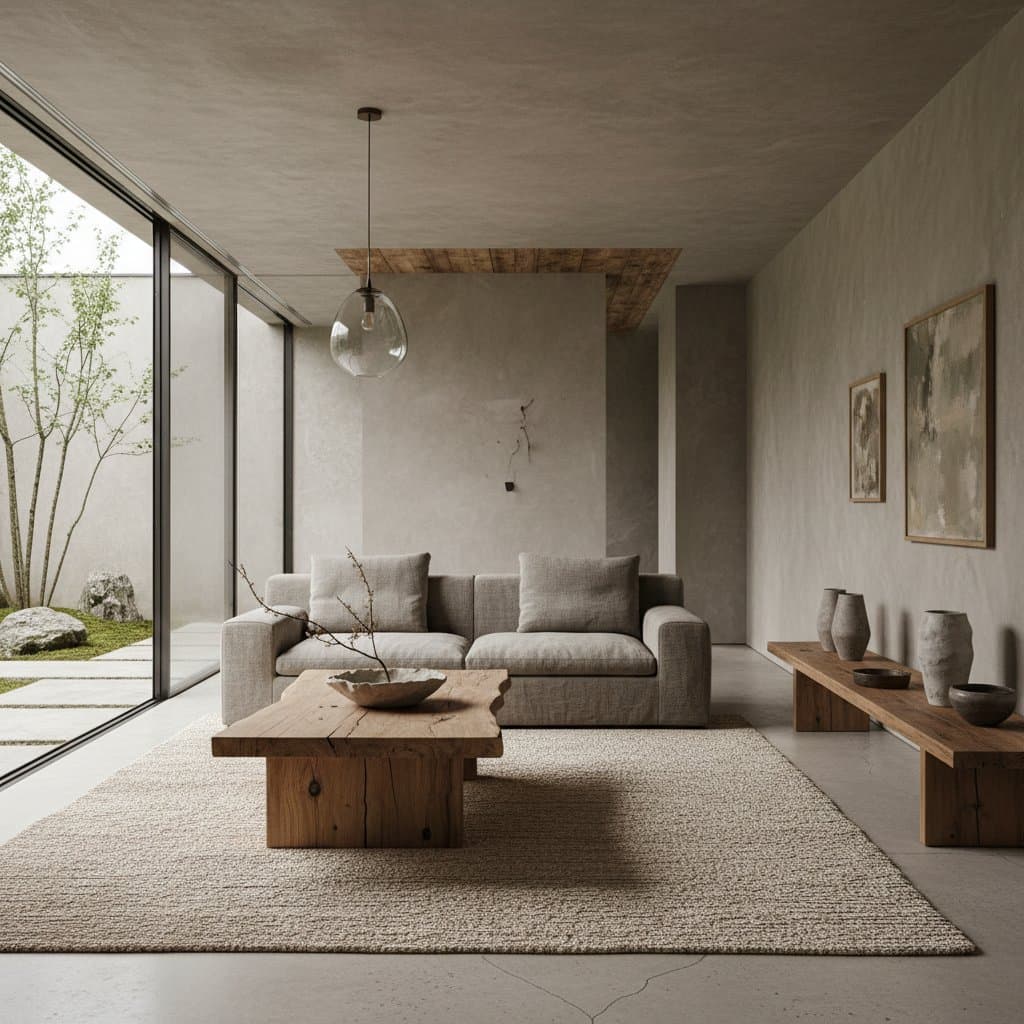
Embracing Imperfection: Wabi-Sabi Defines 2026 Design Trends
Consider a home where flawless surfaces and precise arrangements create an atmosphere of sterility rather than invitation. Such spaces often lack the warmth and authenticity that make environments truly welcoming. Wabi-sabi, a Japanese aesthetic centered on imperfection and transience, addresses this by infusing designs with natural vitality and emotional depth.
Designers and homeowners increasingly adopt wabi-sabi principles to mirror the nuances of everyday life. This philosophy acknowledges that perfection proves elusive, yet beauty emerges from irregularity and evolution. Its rise influences architecture, interiors, and renovations, promoting serene simplicity alongside organic character.
Origins and Essence of Wabi-Sabi
The term wabi-sabi derives from two Japanese concepts that celebrate understated elegance. Wabi evokes simplicity, modesty, and the allure of rural solitude, often evident in unrefined natural elements. Sabi captures the poignant beauty of age, where patina and wear reveal an object's history and resilience.
Together, these ideas form an aesthetic that reveres genuineness, transience, and asymmetry. In design applications, wabi-sabi favors materials bearing traces of their past, such as knotted timber, veined stone, or textured plaster. This style distinguishes itself from deliberate dilapidation by emphasizing intentional harmony in irregularity and the grace of natural progression.
Contemporary residents seek environments that resonate personally rather than conform to ideals. Wabi-sabi counters the prevalence of uniform, high-gloss aesthetics with textures that invite touch and stories that unfold over time.
Alignment with Contemporary Living
Current design priorities emphasize personal identity and psychological ease. Wabi-sabi supports this by prioritizing intuitive choices over idealized forms, incorporating artisanal items, salvaged resources, and unpolished surfaces for genuine expression.
In a culture of rapid turnover, wabi-sabi advocates deliberate pacing. It promotes valuing skilled workmanship, material reuse, and enduring quality to minimize consumption. Homeowners benefit from reduced environmental footprint through selections that favor repair and longevity over frequent replacement.
Key advantages include:
- Reduced tension: Irregularities become features that enhance rather than detract.
- Ecological benefits: Natural, robust materials and recycled components lessen resource demands.
- Enduring style: Authentic foundations ensure relevance beyond fleeting fashions.
Fundamental Guidelines for Wabi-Sabi Interiors
To integrate wabi-sabi effectively, grasp its core tenets and apply them thoughtfully.
- Organic substances: Select timber, earthenware, flax fibers, rock, and fleece for their inherent variations and tactile appeal.
- Subdued hues: Employ soft earth shades such as beige, slate, dune, and pale verdure to soothe vision and integrate flaws seamlessly.
- Artisanal touches: Integrate crafted ceramics, plaited containers, or woven fabrics, each marked by unique inconsistencies.
- Unadorned shapes: Favor straightforward contours to highlight substance and surface rather than elaboration.
- Aged patina: Embrace signs of usage as narratives of duration and interaction.
These components coalesce to produce grounded, relatable interiors that evoke humanity.
Implementing Wabi-Sabi Across Home Areas
Living Areas
Craft a wabi-sabi living space that prioritizes ease and minimalism. Opt for a flax-upholstered settee, a salvaged timber low table, and select meaningful accents. Maintain open surfaces, enhanced by diffused illumination and plush fabrics for coziness.
Culinary Spaces
Define a wabi-sabi kitchen with quarried stone worktops, exposed racks, and artisan earthenware. Shun reflective coatings in favor of satin or smoothed finishes that reveal grain. Incorporate retrieved timber supports or a vintage harvest slab to infuse heritage and individuality.
Bathing Areas
Wabi-sabi excels in bathrooms via sensory materials. Install rugged stone basins, stuccoed partitions, and unpretentious hardware in matte alloys. Limit adornments; a lone foliage or sculpted soap holder suffices for accent.
Sleeping Quarters
Wabi-sabi fosters tranquility in bedrooms. Employ botanical linens or cottons for linens, paired with a timber headpiece showcasing natural veining. Permit uneven placements of visuals or furnishings to cultivate a gathered, organic sanctuary.
Renovation Strategies Rooted in Wabi-Sabi
Incorporate wabi-sabi during updates by ensuring every detail aligns purposefully, avoiding unintended roughness.
- Structural revelation: Uncover native timber supports or masonry if feasible, adding layers of veracity.
- Textured coatings: Apply chalk paint or stucco for diffused glow and nuanced relief.
- Restoration over substitution: Buff and treat current cabinetry; manual applications yield fitting subtlety.
- Regional sourcing: Draw from nearby quarries or forests to link the dwelling to its locale.
Budgeting and Feasibility Factors
Wabi-sabi accommodates diverse finances through strategic material acquisition and self-directed efforts.
- Self-guided initiatives: Refreshing partitions with chalk paint or treating timber ranges from 100 to 500 dollars, scaled by scope and supplies.
- Expert applications: Engaging specialists for bespoke stucco or joinery spans 1,000 to 4,000 dollars per area.
- Element costs: Salvaged plank underlayment averages 6 to 12 dollars per square foot; molded tiles 15 to 25 dollars per square foot.
Restraint amplifies wabi-sabi's value; target investments on pivotal features while simplicity handles the balance.
Duration: Wabi-sabi integrations align with conventional remodel schedules, though natural processes demand extended curing.
Precautions: Process chalk paints, dyes, and protectors in ventilated zones with safeguards. For foundational modifications, engage certified professionals.
Approvals: Cosmetic alterations typically bypass permits, unlike structural, hydraulic, or wiring adjustments; verify regional codes.
Architectural Influences of Wabi-Sabi
Wabi-sabi extends to building forms, guiding constructions that harmonize with landscapes.
- Site adaptation: Structures contour terrain organically, eschewing imposed uniformity.
- Surface candor: Retain exposed aggregate, lumber, and lithos without concealment.
- Fluid plans: Interiors transition via luminosity and tactility, minimizing barriers.
- Inherent regulation: Overhangs, airflow, and botanical barriers maintain equilibrium sans intensive mechanics.
Such methods yield abodes that endure and root deeply in context.
Pitfalls to Sidestep in Wabi-Sabi Design
Subtlety defines wabi-sabi; misapplications dilute its intent.
- Confusing disorder with design: Intent guides every element, distinct from disarray.
- Excessive artificial aging: Simulated distress appears contrived; select items that mature organically.
- Neglecting usability: Extreme sparseness chills; counter with yielding fabrics and glow.
- Style overload: Maintain cohesion via earthy schemes and curated selections.
Harmonizing Heritage and Innovation
Blend wabi-sabi with sleek modernity by equilibrating elements. Contrast polished aggregate bases with woven mats, or pair refined storage with coarse-cut racks.
Neutral wabi-sabi shades enhance crisp geometries, while raw finishes avert clinical detachment. This synergy thrives in expansive layouts, where materiality delineates regions sans partitions.
Deeper Resonance of Wabi-Sabi
Wabi-sabi transcends aesthetics to cultivate mindfulness and equanimity. Inhabiting spaces marked by duration fosters acceptance of flux. Marks from daily rhythms evolve into testaments of lived moments.
This profundity sustains wabi-sabi's draw, weaving individual narratives into tangible realms that echo existence's cadence.
Sustaining Wabi-Sabi Spaces
Preserve wabi-sabi integrity through mindful care.
- Gentle cleansing: Apply dilute suds to organic planes; forgo abrasives that erode character.
- Mend thoughtfully: Renew timber or mend stucco without masking history.
- Cycle soft goods: Alternate floor coverings and drapes periodically for balanced attrition.
- Periodic treatments: Nourish wood annually or biennially for vitality.
These practices uphold the serene, veracious essence.
Steps to Integrate Wabi-Sabi
Begin modestly: swap a sheen finish for matte, or select an artisan vessel over uniform ware. Let inherent patterns and daylight inform choices.
For expansive shifts, consult experts versed in organics and heritage techniques. Aim to forge an abode of quiet fidelity, where imperfection nurtures vitality and belonging.