
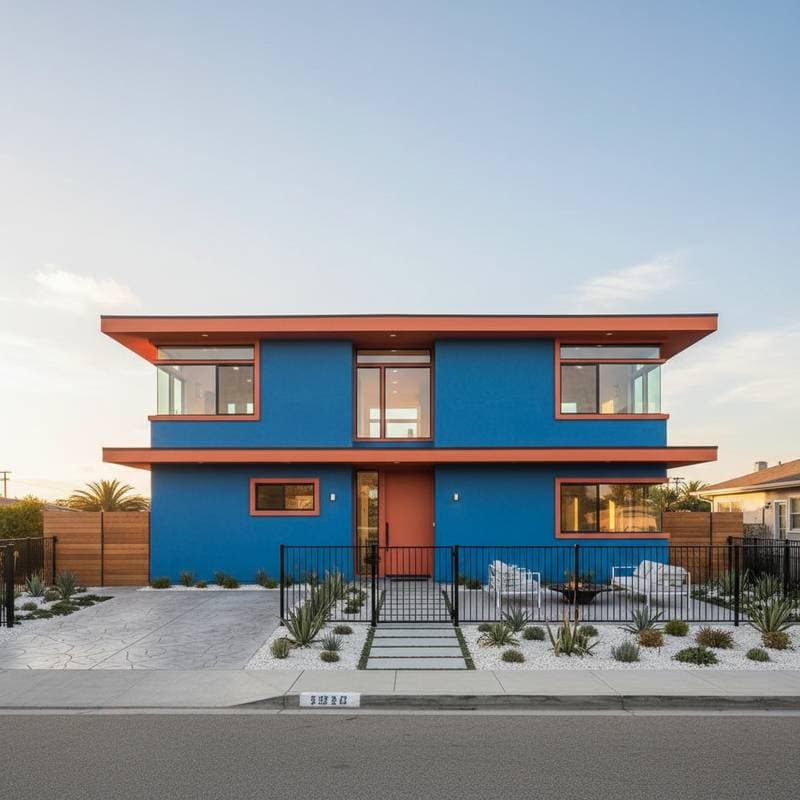
Rainbow Facades: Bold Colors Redefine Architecture
Imagine walking down your street and noticing one house that stops you in your tracks. The siding glows in deep turquoise, the trim pops in coral, and sunlight turns every surface into something alive. That effect feels vibrant and modern, yet welcoming. Homeowners and designers increasingly discover the power of a bold, colorful facade.
For decades, neutral exteriors dominated residential and commercial design. Beige, gray, and white seemed safe, easy to maintain, and favorable for resale. Color now returns to architecture with force. Bright apartment complexes and cheerful single-family homes redefine curb appeal. With careful planning, you can introduce that energy to your property without overwhelming the neighborhood.
Why Colorful Exteriors Are Gaining Ground
Modern architecture emphasizes form, texture, and material, yet color emerges as the next layer of expression. Homeowners recognize that color shapes emotion and identity as effectively as design lines or landscaping. A bright facade makes a home feel personal and connected to its surroundings.
Architects and builders apply color to highlight structural features. A saturated accent wall or contrasting trim emphasizes rooflines, porches, and window patterns. In commercial projects, vibrant palettes help buildings stand out in competitive markets. In residential design, they reflect personality and creativity. A colorful exterior conveys confidence, individuality, and warmth.
Getting Started with a Bold Color Scheme
Selecting exterior colors proves both exciting and intimidating. Balance creativity with restraint for success. Begin small, such as with a vivid front door or shutters, before a full facade transformation.
Follow this simple approach to guide the process:
-
Study Your Surroundings
Examine neighboring properties, local vegetation, and how light strikes your building. A bright yellow house suits a beach setting but appears harsh in a wooded area. Natural context narrows your palette effectively. -
Pick a Dominant Hue
Select one main color for largest surfaces, such as siding or stucco. This choice sets the design tone. Deep blue, terracotta red, or sage green offer strong yet livable options. -
Add One or Two Accents
Accent colors provide structure and energy. Apply them to trim, doors, or railings. White or charcoal grounds vivid shades, while complementary hues create dramatic contrast. -
Test Before You Commit
Sample paint on-site always. Exterior lighting shifts throughout the day, and store appearances differ from open sky conditions. -
Balance Texture and Gloss
Matte finishes soften bold colors, while gloss accentuates detail. Combining both adds depth without overwhelming the eye.
Material Choices and Their Color Potential
Materials absorb and reflect color uniquely. The same pigment varies on wood, metal, or masonry. Understanding these differences achieves the desired look.
- Wood Siding absorbs paint and stain based on species and grain. Painted clapboard delivers a classic, bright surface. Semitransparent stains preserve natural texture.
- Fiber Cement Panels offer durability with factory-finished colors that resist fading. They suit homeowners seeking low maintenance and consistent tone.
- Stucco supports rich, continuous color for a sophisticated appearance in muted or bright shades. Proper sealing ensures weather resistance.
- Metal Panels use prefinished coatings that retain vibrancy for decades. They excel in contemporary or industrial-style architecture.
- Brick and Masonry benefit from paint or limewash for a soft, layered effect. This approach feels rooted and timeless.
Practical Considerations for a Colorful Facade
A bold exterior extends beyond aesthetics. Thoughtful planning and maintenance prove essential. Consider these key points before starting.
Cost Range
Painting or finishing a standard single-family home exterior costs between $3,000 and $8,000. Factors include size, material, and regional labor rates. Premium coatings or specialty finishes increase expenses. Include budget for surface repairs or extensive preparation.
Climate and Color Longevity
Sun exposure and humidity affect pigment durability. Darker colors absorb heat, leading to faster fading or material expansion. Lighter tones perform better in hot areas. Request UV-resistant options from painters or suppliers matched to your climate.
Permits and Neighborhood Rules
Communities often regulate exterior changes, especially in historic districts or planned developments. Review local design guidelines before buying materials. Obtain approval to prevent fines or required repainting.
Safety and Surface Prep
Ladder or scaffolding work involves risk. For two-story or higher homes, employ professional painters with safety certification and insurance. Licensed contractors handle lead paint removal. Use proper containment when sanding or scraping old paint.
Maintenance and Cleaning
Vivid colors reveal dirt and mildew faster than neutrals. Schedule gentle washing once or twice yearly. Avoid high-pressure cleaning to prevent stripping paint layers. Recoat every five to ten years based on exposure.
Regional Influences on Exterior Color
Location influences color perception and performance. Coastal regions favor bright blues, greens, and whites that mirror sunlight and water tones. Desert areas prefer earthy reds, tans, and ochres to complement stone and sand. Wooded or mountainous zones suit deeper greens, grays, and browns for natural blending. Urban environments accommodate strong contrasts against neutral pavement and sky backdrops.
Aligning with regional palettes preserves individuality. This connection ensures your home integrates with its environment while standing out appropriately.
Balancing Boldness and Resale Value
Homeowners often concern themselves with how colorful exteriors impact resale value. Tastefully chosen color enhances it. Buyers recall homes with character, and executed designs signal care and quality. Moderation remains key. Limit to two or three cohesive shades that highlight architectural strengths.
For resale priority, concentrate bright color on changeable elements like doors, shutters, or trim. These repaint easily for future buyer preferences.
Steps to Launch Your Color Transformation
A colorful facade demands confidence, yet it rewards with daily satisfaction upon arriving home. Gather inspiration from architectural magazines, local buildings, or paint manufacturers' digital visualizers.
Collaborate with a professional painter or designer for expert guidance. They coordinate shades, match finishes, and predict color aging. For a hands-on method, select high-quality exterior paint and appropriate tools.
The completed project yields more than fresh paint. It creates a home that expresses personality, welcomes visitors, and demonstrates pride of ownership.