
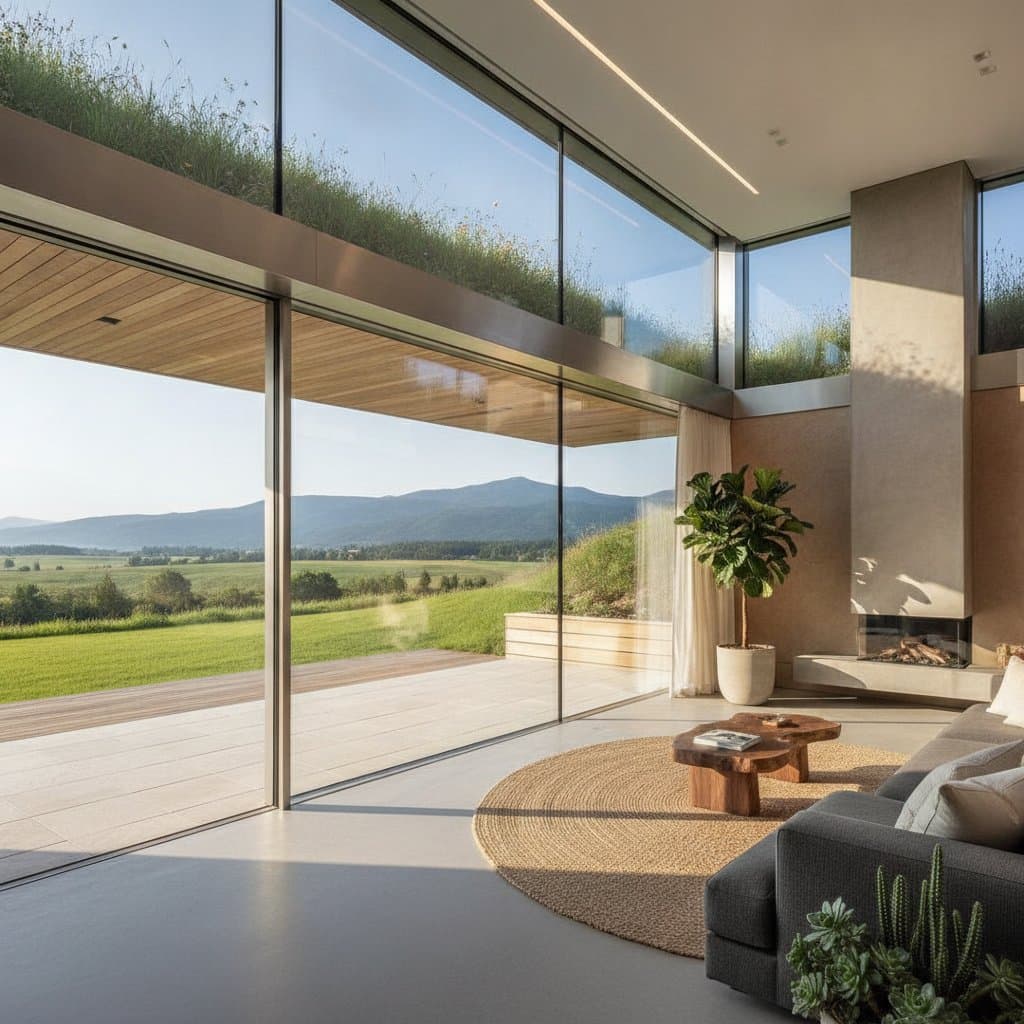
Luxury Living Goes Underground with Earth-Sheltered Homes
Imagine stepping into a quiet, comfortable home where the temperature stays steady all year and street noise fades away. The walls consist of earth itself, forming a natural barrier of insulation and peace. This describes an earth-sheltered home, an architectural approach that combines sustainability, privacy, and high-end comfort.
The Opportunity Beneath the Surface
Traditional construction exposes homes to temperature swings, wind, and noise. Heating and cooling costs rise, and materials wear faster. Earth-sheltered homes address many of these problems by using the ground as a protective layer. Building into or under the landscape delivers consistent indoor temperatures, strong energy efficiency, and a unique living environment.
How Earth-Sheltered Design Works
Two main types of earth-sheltered homes exist: bermed and underground.
- Bermed homes sit above ground but are surrounded on several sides by soil. This design permits natural light on exposed walls while the earth insulates the rest.
- Underground homes lie fully or mostly below the surface, often built into hillsides or beneath open land. Skylights, light wells, and atriums supply daylight and air circulation.
Both designs rely on reinforced concrete or shotcrete walls, waterproof membranes, and advanced drainage systems to manage moisture. When properly engineered, these homes remain as dry and durable as any conventional structure.
Steps to Building an Earth-Sheltered Home
- Site evaluation: Select a location with stable soil and good drainage. Avoid flood-prone or high-water-table areas.
- Design planning: Work with an architect experienced in underground architecture. Proper ventilation, natural light, and waterproofing remain critical.
- Excavation and structure: The excavation depth and retaining wall design depend on local soil type and the desired layout.
- Waterproofing and insulation: Specialized membranes and foam insulation protect the structure from moisture and maintain temperature control.
- Interior finishing: Interiors can feature standard drywall, wood, or concrete finishes. Many homeowners add radiant heating or humidity control systems for comfort.
Costs, Timelines, and Safety
The cost of building an earth-sheltered home typically ranges from 250 to 500 dollars per square foot, depending on design complexity, waterproofing systems, and site conditions. Excavation and concrete work can raise upfront costs, yet long-term energy savings often offset these expenses.
Expect construction to take six to twelve months, similar to a custom home build. Permitting can prove more complex, as local codes may require additional engineering documentation. Confirm that your builder possesses experience with structural waterproofing and soil retention.
Safety requires attention as well. Proper ventilation prevents radon buildup, and drainage systems must direct water away from the structure. A qualified structural engineer should oversee the design to prevent soil pressure or settling issues.
Long-Term Benefits
Living in an earth-sheltered home offers consistent energy savings and low maintenance. The earth acts as natural insulation, reducing heating and cooling costs by as much as half compared to standard homes. Exterior materials stay protected from weathering, which extends the life of the structure. Many owners also value the privacy and quiet that come with living below ground.
Exploring Earth-Sheltered Options
If the idea of a home that blends luxury with environmental awareness appeals, an earth-sheltered design merits exploration. Begin with an architect who specializes in underground architecture, confirm local code requirements, and compare construction bids from contractors with proven experience. Thoughtful planning produces a home that offers comfort, style, and sustainability beneath the surface.