
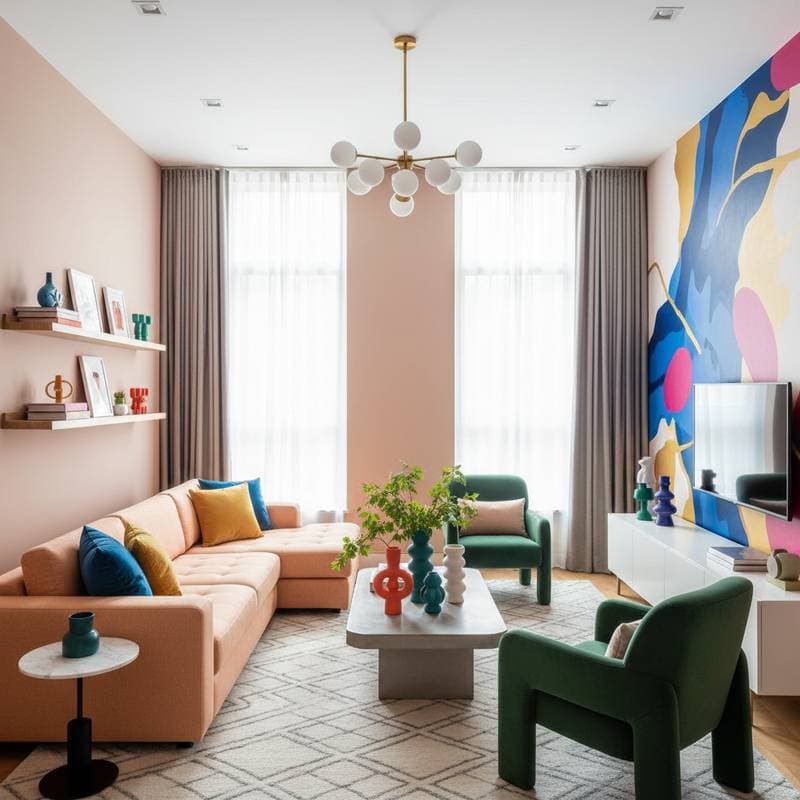
Dopamine Decor Uses Color Psychology for Happier Homes
Have you ever walked into a room that instantly lifted your mood? A bright kitchen can make you feel awake and cheerful. A cozy living room can feel calm and safe. That reaction stems from the effect of color on the brain. It forms the core of dopamine decor.
This decorating approach applies color psychology to create spaces that promote positive feelings. It centers on designing a home that sparks joy, comfort, and motivation each day. Anyone can apply a few targeted color choices and basic planning to transform a home into a more uplifting environment.
What Dopamine Decor Really Means
Dopamine decor draws its name from dopamine, the brain chemical tied to pleasure and reward. Surrounding yourself with preferred colors, textures, and objects encourages the brain to release more of this chemical. The result makes the home feel more personal and energizing.
This method differs from minimal design trends that rely on neutrals. Dopamine decor promotes intentional color use. It avoids random bright shades. Instead, it selects colors that energize or calm based on the needs of each space.
Why Color Psychology Matters in Your Home
Colors influence feelings, behavior, and energy levels. A pale blue bedroom tends to promote relaxation. A deep red dining room tends to increase alertness. These responses illustrate color psychology in action.
Common colors produce these general effects:
- Blue promotes calm and suits bedrooms or bathrooms.
- Green offers refreshment and balance for living rooms.
- Yellow brings cheer and energy to kitchens or offices.
- Red conveys passion and works in dining areas when used sparingly.
- Pink provides comfort and playfulness for bedrooms or creative corners.
- Orange creates warmth and invitation in social spaces.
- Purple adds luxury and creativity to small areas.
- White and neutrals deliver cleanliness and grounding to balance bolder choices.
These associations help match colors to rooms and daily routines.
How to Start Using Dopamine Decor at Home
You do not need to repaint every wall or replace all furniture at once. Dopamine decor develops best through gradual steps. Follow this sequence to begin.
1. Identify Your Mood Goals
Consider the desired feeling for each room. A home office may need colors that support focus. A bedroom may benefit from colors that encourage rest. Record one emotional goal for each main area to direct color selections.
2. Choose a Personal Color Palette
Select two or three colors that produce a positive response. Draw ideas from clothing, nature, or favorite photos. Identify shades that naturally appeal. Assign them to rooms. Warm tones such as coral and mustard can energize a kitchen. Soft blues and greens can calm a bedroom.
3. Add Color in Layers
Begin with small items. Introduce colorful throw pillows, rugs, or wall art before committing to paint or new furniture. This method controls costs and reveals how colors interact. It also allows easy updates when preferences shift.
4. Mix Textures and Shapes
Color alone does not complete the approach. Combine smooth fabrics with rougher textures. Pair round shapes with straight lines. These contrasts maintain visual interest and support comfort. A velvet cushion or woven basket can produce noticeable improvement.
5. Use Lighting to Support the Mood
Lighting alters color appearance. Natural light intensifies bright tones. Soft lamps soften bold walls. Install warm bulbs in living areas and cooler bulbs in workspaces. Minor lighting adjustments can shift the entire room atmosphere.
Balancing Boldness and Comfort
The main challenge lies in determining appropriate color volume. When every surface competes for attention, the space can feel chaotic rather than joyful. Maintain balance through these methods.
Use one main color as a base and two accent colors for variety. Keep neutral surfaces such as floors or ceilings to provide visual rest. Introduce bold color through artwork, textiles, or smaller furniture pieces. Step back after changes and assess the room. Remove or soften one element if the space feels overwhelming.
Realistic Considerations
Homes differ in needs, budgets, and layouts. Renters can focus on textiles, peel-and-stick wallpaper, or removable decor. Homeowners can pursue more permanent changes.
Projects can start with small items such as pillows, plants, or prints for under fifty dollars. Painting a room or updating furniture ranges from several hundred dollars upward. A full room update may require a weekend. Smaller changes can finish in an afternoon. Most tasks allow do-it-yourself completion. Repainting or reupholstering requires protective gear and safety steps. Bright colors may fade under sunlight, so add curtains or UV-protective finishes for longevity.
When to Call in Professional Help
Major changes such as new flooring, custom furniture, or built-in lighting may justify hiring a designer or color consultant. Specialists in mood-based design can align colors with personality and architecture. A brief consultation can avoid costly errors.
Building Your Uplifting Environment
Trust personal responses. Apply a color that produces a smile, even in small amounts. Combine heirlooms with modern pieces to reflect personality. Introduce plants and natural materials such as wood or linen to ground bright colors. Add candles, soft music, or a small fountain for a complete sensory experience. Continue adjusting items until the space feels right.