
Introduction to the Fifth Wall
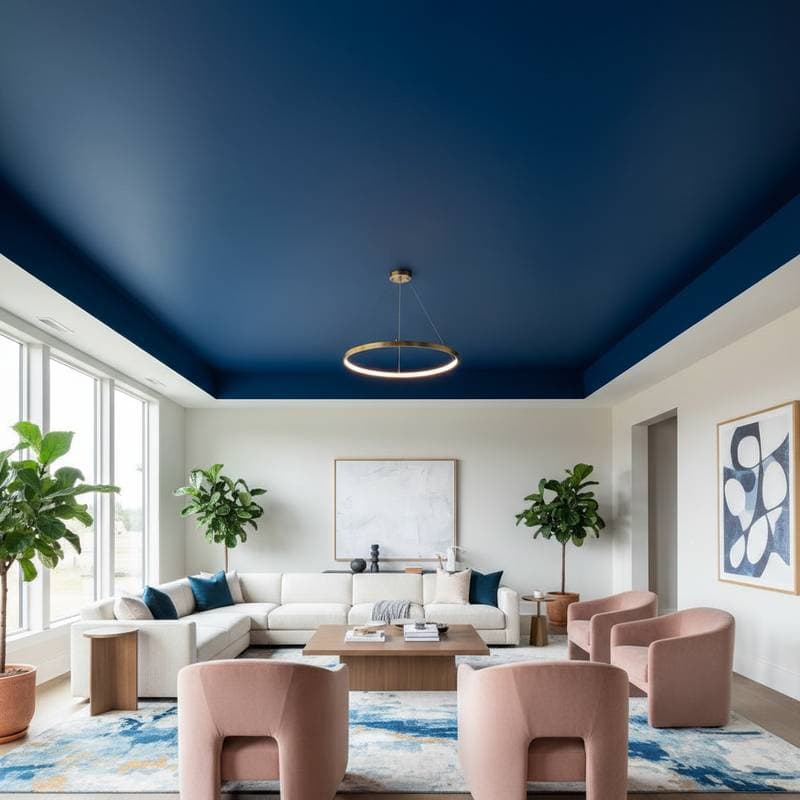
The ceiling, often called the fifth wall, represents an underutilized canvas in interior design. Painting it with intention introduces color, depth, and personality to any room. This approach not only draws the eye upward but also influences the overall atmosphere, making spaces feel more dynamic and tailored.
Homeowners frequently overlook ceilings, treating them as neutral backdrops. Yet, a well-chosen color can redefine proportions, enhance lighting, and harmonize with surrounding elements. Whether aiming for subtlety or boldness, ceiling design offers versatile opportunities to refresh interiors without major renovations.
Essential Tips for Selecting Ceiling Colors
Approach ceiling colors with consideration for room dimensions, lighting, and existing decor. These guidelines help achieve balanced, visually appealing results.
-
Opt for lighter shades in rooms with low ceilings. Pale blues, soft grays, or warm creams reflect light and create an illusion of height. Apply these in compact areas like hallways or small kitchens to foster openness.
-
Select deeper tones for high-ceilinged spaces. Rich navies, charcoals, or emerald greens draw the eye downward, promoting intimacy. Such choices suit grand living areas or entryways with ample vertical space.
-
Incorporate accents from room elements. Draw inspiration from rugs, upholstery, or artwork to repeat hues subtly. This method ensures unity, preventing the ceiling from clashing with the palette below.
-
Choose matte or flat finishes exclusively. These options diffuse light evenly, avoiding glare from glossy surfaces. They deliver a seamless, professional appearance that withstands everyday wear.
Ceiling colors shine brightest in interactive rooms like bedrooms, where reclining positions highlight the overhead view, or dining areas, where gatherings benefit from elevated ambiance.
Popular Color Palettes for Impactful Ceilings
Tailor your ceiling hue to the room's function and desired mood. The following categories provide proven selections, each with application notes.
Soft and Airy Options
Pale sky blue evokes serenity, ideal for bedrooms or home offices needing calm focus. Blush pink adds gentle warmth to nurseries, softening edges without dominating. Mint green refreshes reading nooks, pairing seamlessly with neutral walls for a spa-like retreat.
These subdued tones introduce color gradually, allowing beginners to experiment while maintaining versatility for seasonal decor shifts.
Warm and Inviting Hues
Terracotta infuses living rooms with rustic energy, complementing leather sofas and woven baskets. Warm beige ceilings ground dining spaces, enhancing candlelit evenings with subtle glow. Burnt orange energizes family rooms, balancing cooler wall tones for lively yet comfortable settings.
Such colors amplify natural wood grains and textile layers, creating layered depth that invites relaxation.
Moody and Dramatic Choices
Deep navy transforms studies into sophisticated havens, absorbing light to foster concentration. Forest green suits libraries or lounges, evoking nature's tranquility in urban homes. Charcoal gray adds modern edge to media rooms, where it mutes distractions and highlights screens.
Reserve these for well-lit areas to prevent heaviness; they excel in architecture with architectural details like beams or moldings.
Bright and Playful Accents
Sunny yellow brightens bathrooms, countering steam with cheerful uplift. Coral injects vitality into powder rooms, harmonizing with white fixtures for coastal vibes. Teal energizes home gyms or creative studios, stimulating inspiration through its vibrant pop.
Use these sparingly in smaller zones to avoid overwhelming; they thrive when walls remain light, letting the ceiling command attention.
Always apply test patches on a discreet ceiling area. Observe how natural and artificial light alters the shade throughout the day, ensuring the final choice aligns with real-world conditions.
Strategies for Coordinating with Walls and Trim
Integrate the ceiling color thoughtfully to elevate the entire room. Harmony arises from deliberate pairings that respect scale and contrast.
Gradient and Matching Techniques
Employ shades from the same family for walls and ceiling, such as a mid-tone gray below a lighter variant above. This creates a tonal flow that elongates vertical lines, ideal for narrow rooms.
Balancing Contrasts
Pair dark ceilings with light walls to add dimension without clutter, as in a white-walled bedroom under a soft lavender canopy. Conversely, bold walls benefit from neutral ceilings that provide breathing room and prevent visual fatigue.
Trim and Accessory Integration
Crisp white trim outlines colored ceilings elegantly, offering clean definition. For immersion, match trim to the ceiling hue in contemporary designs, blurring boundaries for a cocooned effect.
Post-painting, adjust lighting: incandescent bulbs warm colors for coziness, while LEDs maintain clarity. Incorporate throw pillows, vases, or frames echoing the ceiling shade to weave cohesion throughout the space.
Key Practical Factors to Address
Preparation ensures a smooth process and lasting results. Evaluate these elements upfront to align design with feasibility.
-
Assess ceiling height precisely. Measure from floor to joist; spaces over nine feet accommodate bold colors freely, while those under eight feet require lifts to avoid enclosure.
-
Evaluate natural and artificial light sources. South-facing windows support saturated tones by diffusing brightness; north-facing rooms favor warms to counteract coolness.
-
Account for physical demands. Overhead work strains posture; use sturdy ladders, ergonomic rollers with extensions, and frequent breaks. Professionals handle textured or vaulted ceilings efficiently.
-
Calculate costs accurately. Standard ceiling paint runs $30 to $50 per gallon, covering 350 square feet; factor in primers for stained surfaces and drop cloths for protection.
-
Review regulatory needs. Interior painting requires no permits typically, but fixture installations may trigger inspections—consult local codes for compliance.
Detailed planning minimizes errors, yielding a flawless finish that enhances property value and personal satisfaction.
Embracing the Transformation
Once complete, a painted ceiling reshapes daily experiences, from serene mornings in a pastel bedroom to engaging evenings under a dramatic vault. This design element proves accessible yet profound, offering endless customization as tastes evolve. Invest in this overlooked surface to unlock creativity and elevate every glance upward.