
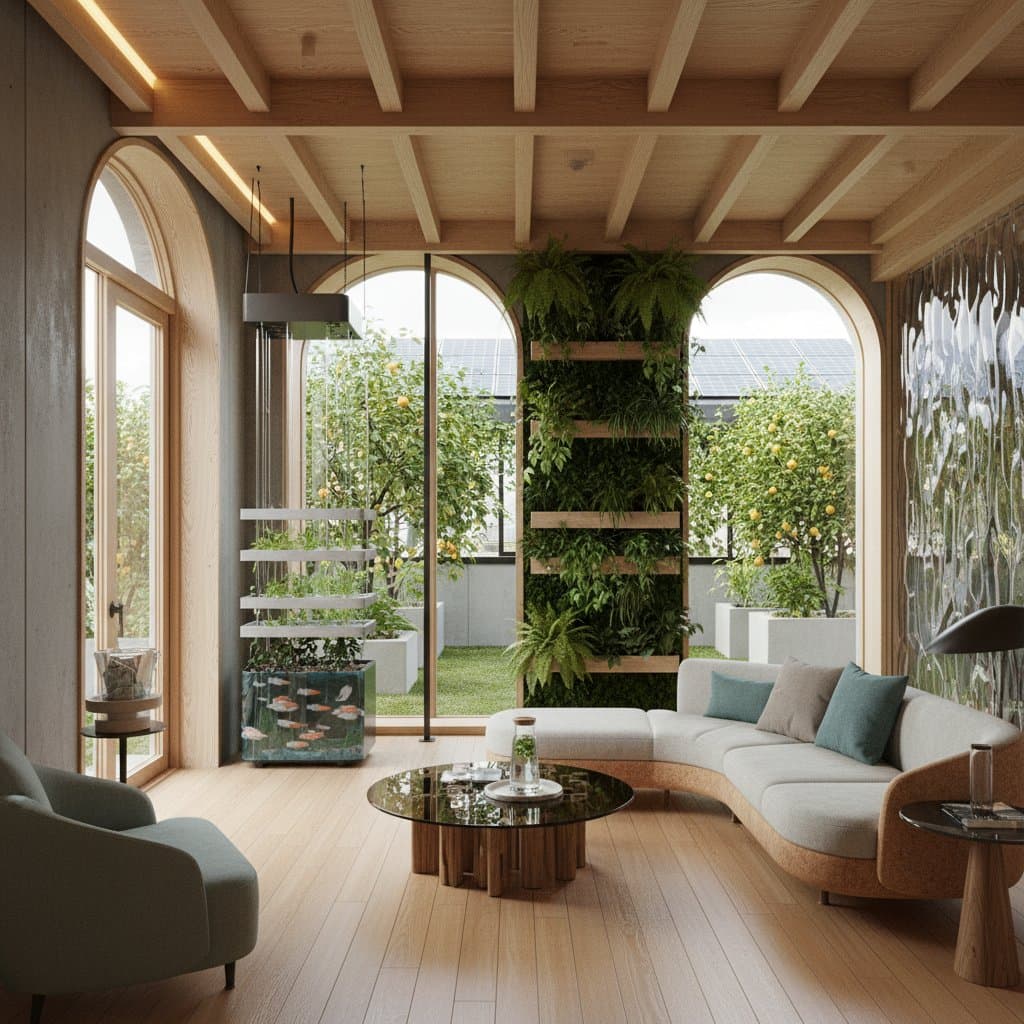
Introduction to Solarpunk Architecture
Solarpunk architecture emerges as a visionary response to environmental challenges, blending futuristic optimism with practical sustainability. It redefines home design by prioritizing harmony between human habitation and the natural world. At its core, this approach seeks to make green living not only viable but also enjoyable and aesthetically pleasing.
Traditional eco-friendly designs often focus on efficiency alone, sometimes at the expense of comfort. Solarpunk, however, integrates artistry and functionality to create spaces that feel alive and inviting. Readers exploring this style will discover ways to transform their homes into thriving ecosystems.
Core Principles of Solarpunk Design
Solarpunk draws inspiration from science fiction genres that imagine equitable, green futures. It emphasizes renewable energy sources, particularly solar power, to achieve independence from fossil fuels. Homes built in this style feature photovoltaic panels integrated seamlessly into roofs and facades, generating electricity for daily needs.
Biophilic design plays a central role, bringing elements of nature indoors and outdoors. Walls covered in living moss or vines improve air quality and provide thermal insulation. These natural features reduce reliance on artificial climate control, lowering energy consumption while enhancing psychological well-being.
Community and adaptability form additional pillars. Solarpunk encourages modular structures that evolve with residents' needs, using reclaimed materials to minimize environmental impact. Water harvesting systems collect rainwater for irrigation and reuse, promoting a closed-loop approach to resource management.
Integrating Solar Power for Energy Independence
Effective solar integration begins with site assessment to maximize sunlight exposure. South-facing orientations in the northern hemisphere capture optimal rays, while adjustable shading prevents overheating. Advanced inverters convert solar energy into usable electricity, powering appliances and even feeding excess back to local grids.
Battery storage solutions, such as lithium-ion systems, ensure reliability during cloudy periods or nighttime. Homeowners can monitor energy usage through simple interfaces, adjusting habits to optimize efficiency. This setup not only cuts utility bills but also builds resilience against power outages.
Passive solar techniques complement active systems. Thick walls made from rammed earth or straw bales store daytime heat, releasing it gradually. Skylights and clerestory windows allow natural light to flood interiors, reducing the need for electric lighting and creating warm, dynamic atmospheres.
Incorporating Green Spaces for Livability
Rooftop and vertical gardens serve as multifunctional elements in solarpunk homes. They provide fresh produce, insulate buildings, and mitigate urban heat islands. Selecting native plants ensures low maintenance and supports local biodiversity.
Indoor green walls utilize hydroponic systems, circulating water efficiently to nourish foliage without soil. These installations humidify air and absorb pollutants, contributing to healthier indoor environments. Placement near living areas fosters a sense of tranquility and connection to nature.
Balconies and courtyards extend outdoor living spaces, designed with permeable paving to allow water infiltration. Native pollinator gardens attract beneficial insects, enhancing ecological balance. Such features make homes feel expansive and integrated with surrounding landscapes.
Utilizing Smart and Sustainable Materials
Material selection in solarpunk prioritizes renewability and low embodied energy. Reclaimed wood from old structures forms durable flooring and cabinetry, adding unique character while diverting waste from landfills. Bamboo, a fast-growing resource, offers strength for structural elements with minimal environmental footprint.
Smart materials like phase-change composites regulate temperature by absorbing and releasing heat. Aerogel insulation provides superior thermal performance in thin layers, ideal for retrofitting existing homes. Mycelium-based panels, grown from fungi, create lightweight, biodegradable alternatives to foam.
Recycled plastics molded into translucent panels allow diffused light while blocking UV rays. These innovations ensure durability without compromising aesthetics. Homeowners benefit from reduced maintenance and long-term cost savings.
Actionable Steps to Adopt Solarpunk Elements
Start with an energy audit to identify opportunities for solar upgrades. Consult local incentives for photovoltaic installations, which can offset initial costs. Begin small by adding solar-powered outdoor lights or a compact panel for charging devices.
- Assess your space for green integrations, such as installing a windowsill herb garden.
- Source sustainable materials from local suppliers to build custom furniture.
- Experiment with passive design by rearranging rooms to capture more natural light.
- Join community workshops on permaculture to learn water-efficient landscaping.
- Track progress with a sustainability journal, noting changes in comfort and energy use.
These steps build momentum, allowing gradual transformation without overwhelming investment.
Benefits of Solarpunk for Modern Living
Adopting solarpunk principles yields tangible advantages in health, finances, and environmental impact. Residents experience improved air quality and reduced stress from biophilic surroundings. Energy savings accumulate over time, freeing resources for other priorities.
Communities with solarpunk designs foster social bonds through shared green spaces. These homes stand resilient against climate shifts, with features like flood-resistant foundations and drought-tolerant gardens. Ultimately, solarpunk architecture proves that sustainable living enhances quality of life, paving the way for a balanced future.