
Why Wabi-Sabi Imperfection Defines 2026 Homes
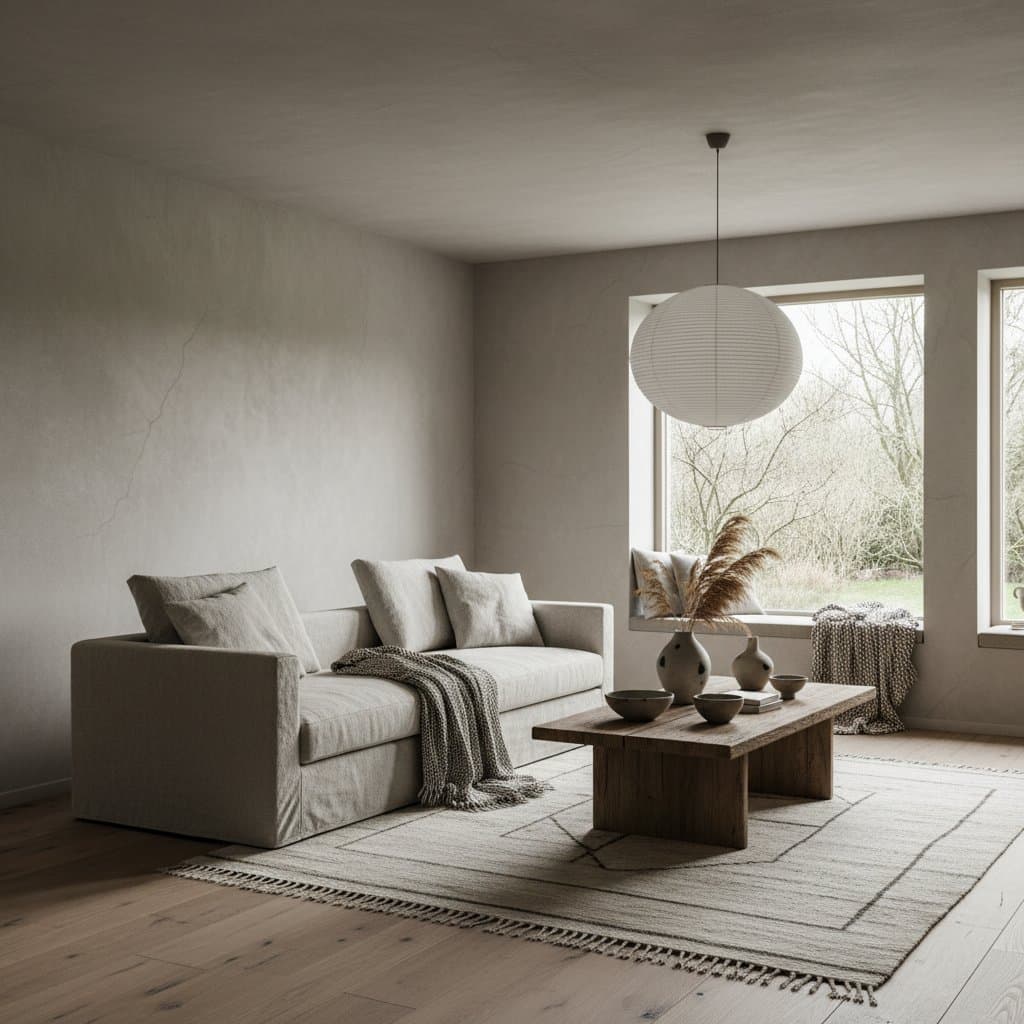
Picture entering a home that radiates calm and grounded beauty. Uneven walls bear a soft plaster finish, a wooden table displays a faint ring from a morning tea, and light streams through linen curtains with gentle warmth. Nothing appears staged, yet every element feels deliberate. This captures the essence of Wabi-Sabi, the Japanese philosophy that honors imperfection, impermanence, and authenticity.
The Beauty in Imperfection
Homeowners increasingly tire of glossy perfection. Flawless surfaces and symmetrical layouts often render spaces sterile. Wabi-Sabi offers the alternative: environments that breathe and acknowledge the passage of time along with human touch. Consider a ceramic bowl mended with gold lacquer to highlight a tiny crack, or a reclaimed wood beam that proudly reveals its age. These elements represent stories rather than defects.
This philosophy links emotion to surroundings. Relaxation deepens in spaces free from demands for uniformity. Concerns over floor scratches or linen wrinkles fade away. In regions influenced by local climate, humidity, and daily routines, materials evolve naturally, enhancing this authentic appeal.
Aligning Wabi-Sabi with Modern Living
Contemporary life emphasizes efficiency and control, but genuine comfort arises from ease and acceptance. Wabi-Sabi integrates seamlessly into modern homes by promoting balance. Natural textures, muted colors, and handmade details temper the sharpness of technology-infused routines.
Envision a living room featuring a slightly tilted clay vase on a shelf, a woven rug with irregular fringes, and furniture gathered over years instead of acquired in one go. The atmosphere remains serene and personal. Transformation requires no full renovation; a shift in perspective suffices, prioritizing authenticity over flawlessness.
Core Elements of Wabi-Sabi Design
To convert your home into a sanctuary of serene imperfection, adhere to these principles:
-
Natural Materials
Select wood, stone, linen, clay, and cotton. These choices age with grace and acquire patina through use. A cedar table that deepens in color or plaster walls that shift subtly with humidity convey vitality. -
Muted, Earthy Colors
Employ soft neutrals and natural tones. Sand, moss, and clay shades foster harmony. Shun high-gloss finishes that harshly reflect light; favor matte surfaces that softly absorb it. -
Simplicity with Depth
Maintain uncluttered spaces without sterile minimalism. Every object must serve a purpose and hold significance. A solitary handmade bowl outshines a shelf of mass-produced items in visual impact. -
Embracing Aging and Repair
Welcome signs of wear. When a surface chips or cracks, accentuate it. The Japanese practice of kintsugi, which mends pottery with gold or silver, exemplifies resilience and renewal. -
Nature's Integration
Incorporate the outdoors through plants, stones, or driftwood accents. Allow fresh air and natural sounds to enter via open windows. Nature's inherent irregularities underscore themes of continuity and evolution.
Implementing Wabi-Sabi Practically
Full-scale changes prove unnecessary. Initiate with modest adjustments:
- Swap synthetic fabrics for natural ones such as cotton or linen.
- Incorporate handcrafted ceramics into dining settings.
- Preserve one wall in its raw, unpainted state to expose texture.
- Combine vintage and modern furnishings for layered character.
- Permit sunlight and shadows to dance across rooms, using light curtains sparingly.
Such incremental steps personalize surroundings affordably. The aim centers on customization rather than flawlessness.
Budget and Upkeep Essentials
Wabi-Sabi accommodates varied budgets. Source reclaimed materials from local suppliers, often at lower costs than new alternatives. Sand and refinish existing wood floors instead of full replacement. Natural aging minimizes upkeep demands, as evolving marks integrate into the aesthetic.
Structural integrity remains paramount. Verify reused materials for stability. For plaster or reclaimed wood, consult professionals to assess moisture or pest risks. Local experts ensure aesthetics align with longevity.
For expert assistance, share your project on Doric South at no cost. Vetted contractors will connect, blending design vision with functional requirements.
The Deeper Emotional Impact
Wabi-Sabi extends beyond aesthetics to influence mindset. Beauty emerges in the incomplete, spontaneity finds welcome, and spaces adapt alongside life. A chipped mug gains cherished status through memories of contemplative mornings. An irregular floorboard transforms into a familiar companion.
This perspective eases pressures of perpetual upgrades, fostering gratitude. It reveals that a home's narrative unfolds with inherent grace, imperfections included.
Sustaining Wabi-Sabi in Daily Life
Adopting Wabi-Sabi reveals benefits beyond decor. Interactions extend, tranquility prevails amid reduced clutter.
Preserve the ambiance by granting spaces freedom to evolve. Resist over-styling; permit natural material shifts. Repair breaks thoughtfully, opting for restoration over hasty substitution.
Steps to Integrate Wabi-Sabi Today
Wabi-Sabi transcends trends; it aligns with desires for genuine, warm, effortless living.
Begin by identifying existing elements of subtle beauty. Proceed with deliberate selections to cultivate your ideal environment.