
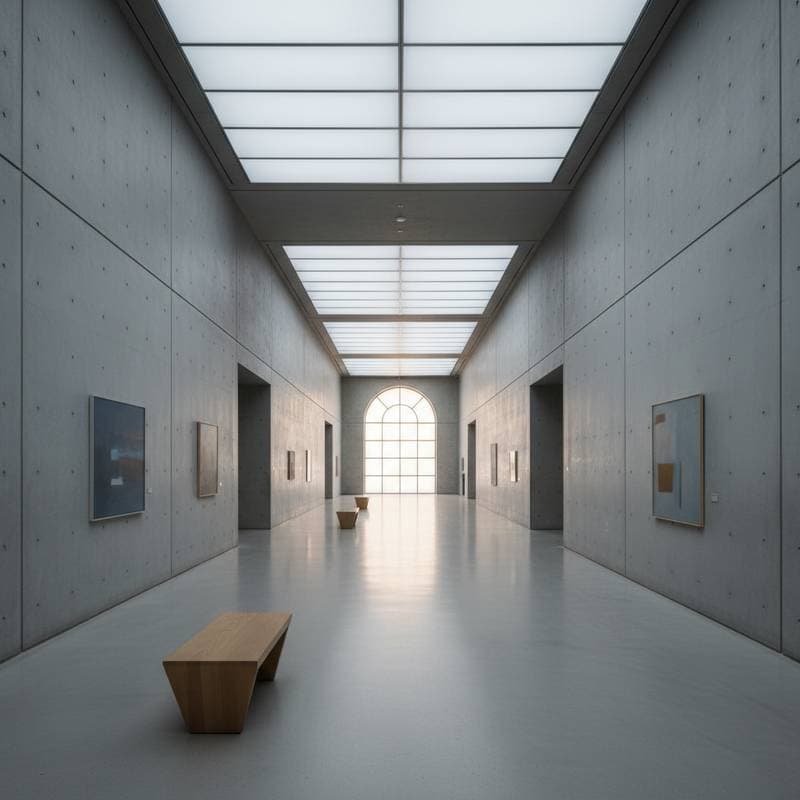
The Eerie Nostalgia of Liminal Spaces: Why They Captivate and Inspire
An empty school hallway at dusk carries a peculiar blend of serenity and disquiet. An image of a forsaken shopping mall stirs a sense of recognition laced with strangeness. This sensation defines liminal spaces: transitional areas poised between activity and absence, evoking nostalgia intertwined with subtle eeriness.
These environments fascinate observers for their power to summon memories and intrigue. They appear in urban landscapes, architectural features, and domestic settings. Grasping the roots of their nostalgic and unsettling appeal reveals their aesthetic value and opens pathways to incorporate similar elements into intentional design.
Defining Liminal Spaces
The term liminal derives from the concept of a threshold, marking a boundary between two states. Such spaces serve as conduits rather than endpoints. Consider staircases, corridors, parking garages, lobbies, or transit hubs; they facilitate passage without inherent purpose.
Individuals traverse them routinely, often without notice. However, when devoid of occupants or activity, these areas acquire a suspended quality, as if time halts. This interlude fosters a perception of detachment from the everyday, blending the ordinary with the enigmatic.
Everyday Examples of Liminality
- Dimly lit school corridors at night
- Forsaken playgrounds under overcast skies
- Vacant corporate offices on weekends
- Shadowed hotel passages
- Isolated gas stations during off-hours
- Derelict shopping centers or gaming halls
These locales once pulsed with human presence. Their current vacancy preserves echoes of prior vitality, rendering them poignant relics of transience.
The Roots of Nostalgic Resonance
Nostalgia emerges from subconscious recollections, even when specific events elude recall. Liminal spaces engage this faculty by mirroring archetypal scenes from personal history. Familiar configurations, such as recurring architectural motifs or ambient cues, bridge past and present, though the context has shifted.
Key Elements That Evoke Nostalgia
- Illumination: Stark overhead fluorescents or warm incandescent glows summon recollections of educational institutions or communal venues from earlier years.
- Structural Details: Worn linoleum surfaces, peeling coatings, or geometric wall patterns link to formative environments like homes or public facilities.
- Acoustics: Footfalls reverberating in solitude recall instances of isolation amid former bustle.
- Immobility: Absence of motion in dynamic zones generates subtle dissonance, akin to a narrative interrupted mid-sentence.
These components activate affective responses, drawing the mind into a contemplative interlude that merges solace with intrigue.
The Undercurrent of Unease
Nostalgia provides warmth, yet liminal spaces introduce an eerie dimension through their void. The expanse invites unfettered imagination, heightening awareness of potential yet unrealized events. This disparity between anticipated vitality and prevailing quietude breeds a mild disquiet.
The response resembles expectancy more than outright alarm. The locale retains imprints of human interaction, yet stands unpeopled. This interplay of presence and void infuses the setting with a subdued vitality, amplifying its magnetic pull.
Navigating Familiarity and Alterity
The uncanny arises from perceptual ambiguity: elements appear recognizable yet altered. Cognitive processes strive to categorize and contextualize, but partial mismatches persist. This unresolved tension sustains an aura of enigma, enriching the experiential depth.
Incorporating Liminal Aesthetics into Interior Design
Intentional adoption of liminal principles transforms mundane areas into evocative sanctuaries. Approach this with subtlety to avoid sterility, focusing on elements that promote tranquility and self-examination.
1. Enhancing Transitional Zones
Identify passageways such as foyers or corridors in residential layouts. Introduce diffused overhead fixtures, neutral palettes in soft grays or beiges, and minimalist wall hangings depicting serene landscapes. Maintain sparsity to preserve the essence of anticipation without inducing desolation.
2. Leveraging Light for Atmosphere
Employ layered illumination to modulate mood. Ambient sources like recessed LEDs mimic institutional neutrality, while targeted accents such as table lamps in alcoves produce elongated silhouettes reminiscent of after-hours classrooms. Alternate intensities to evoke varying degrees of introspection.
3. Integrating Textural Contrasts
Combine heritage-inspired finishes with contemporary forms. Incorporate reclaimed timber paneling alongside sleek metallic accents or linen drapery with subtle distressing. This fusion replicates the temporal layering found in aged public structures, fostering a sense of continuity.
4. Manipulating Spatial Perception
Opt for expansive voids with sparse furnishings to echo vast, unoccupied terminals. Mirrors strategically placed expand visual boundaries, simulating infinite corridors. Elongated runners or asymmetrical shelving further imply flux, reinforcing the transitional motif.
The Psychological Benefits of Liminal Influence
Skeptics may question the appeal of evoking unease indoors. In measured application, however, this aesthetic promotes deceleration and awareness. It cultivates spaces that honor ephemerality, integrating sentiment without excess.
Such designs prompt pauses amid routine, highlighting overlooked nuances. They imbue environments with narrative depth, transcending mere functionality.
Advantages of This Approach
- Fosters serenity and contemplative practice
- Generates distinctive ambiance through minimalism
- Yields emotionally resonant, individualized settings
Potential Drawbacks
- Risks sterility if sparsity dominates
- May convey chill without complementary warmth
- Demands precise calibration for harmony
Moderation ensures efficacy; apply as focal points rather than overarching styles. A dedicated nook or conduit suffices to instill the desired resonance.
Implementation Essentials
- Cost Management: Attain effects via economical modifications, including repainting walls in matte finishes, installing dimmable fixtures, and decluttering surfaces.
- Timeline: Execute alterations swiftly, such as swapping lighting within an afternoon or reorganizing pathways in a weekend.
- Commitment Level: Prioritize subtraction over addition; curate selectively to amplify inherent quietude.
- Precautions: When sourcing inspiration from disused sites, prioritize security. Equip with reliable illumination and avoid compromised edifices.
Cultivating Intentional Pauses at Home
Awareness of liminal dynamics reveals their ubiquity in routines and recollections. Integrating them domestically need not pursue the macabre. Designate a modest domain, perhaps a landing or vestibule, illuminated softly to welcome repose.
This practice enriches daily existence, transforming ordinary intervals into sources of quiet enrichment.