
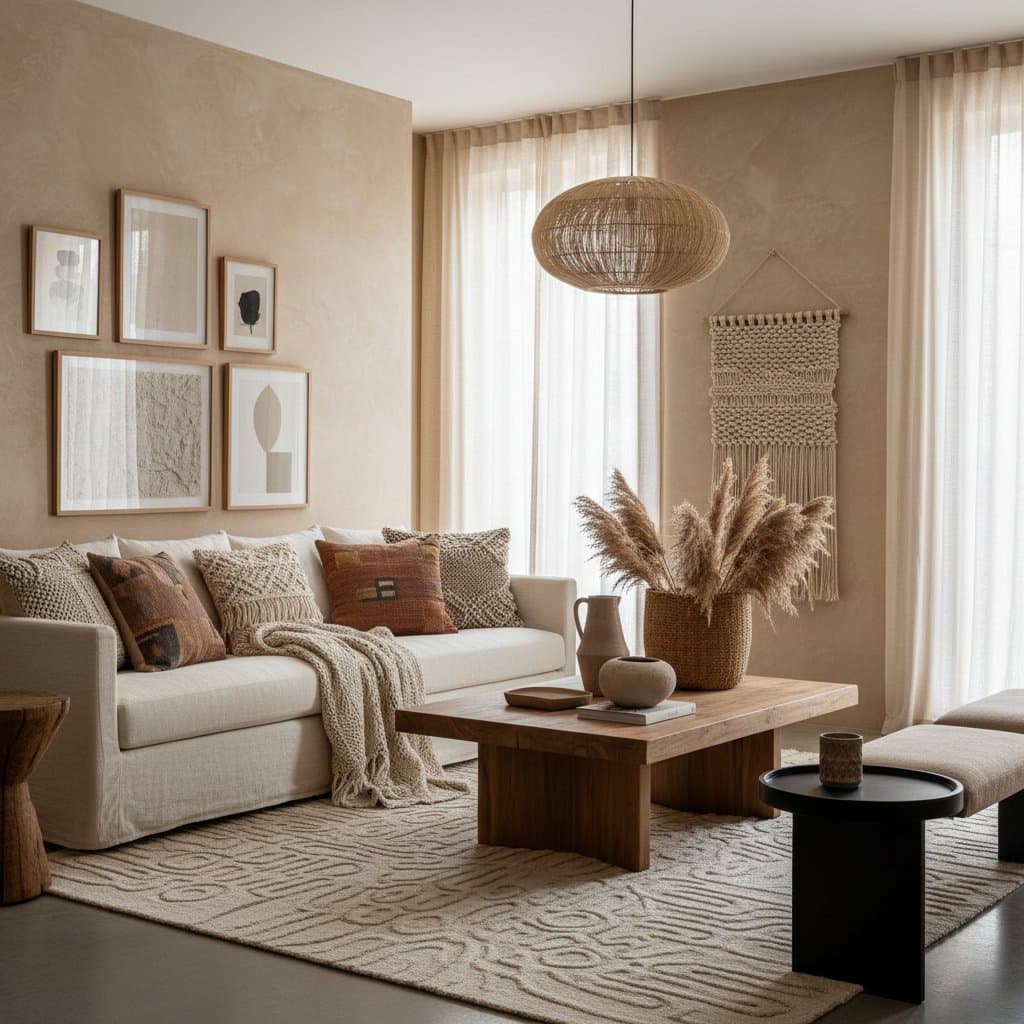
Why Handcrafted Textures Rule 2026 Interiors
Design enthusiasts have observed a shift in recent feeds toward more tactile and authentic elements. Glossy, machine-perfected surfaces that characterized modern interiors now yield to richer, more soulful alternatives with a clear human imprint. Consider the sensation of a limewashed wall, cool and subtly uneven under your fingers, or a sofa upholstered in nubby, handwoven fabric that evokes the artisan's narrative. This essence of handcrafted texture influences interiors across diverse settings.
The Desire for Something Real
Following an era of sleek minimalism, homeowners seek warmth, imperfection, and genuine character. Individuals desire rooms that pulse with life rather than appear artificially arranged. Handcrafted materials achieve this authenticity that industrial production cannot match. Each brushstroke, groove, and weave bears the mark of its creator, elevating a mere house into a welcoming home.
The charm resides in the transparency of skilled workmanship. A hand-thrown ceramic vase, though asymmetrical, captivates through its organic flaws. Walls treated with plaster instead of uniform paint offer varying depth that alters with natural light. Such nuances foster environments that feel stable and soothing.
The Return of Material Stories
Handcrafted design extends beyond visual appeal to forge meaningful connections. Selecting artisan-made items infuses homes with narratives. Envision a rug crafted from regionally sourced wool or cabinetry fashioned from salvaged timber. These pieces embody heritage, expertise, and cultural significance, adding layers that transcend fleeting styles.
This evolution mirrors heightened environmental consciousness. Consumers increasingly scrutinize production methods and material origins. Artisan goods frequently incorporate natural, ethically harvested resources, while deliberate processes minimize waste. Opting for craftsmanship thus serves as both an artistic and principled choice.
How Textural Maximalism Is Redefining the Look
Maximalism reemerges, yet in a refined form distinct from past excess. It avoids clutter or excessive color, emphasizing instead the accumulation of diverse materials, finishes, and sensory contrasts. Picture a space featuring linen curtains, terracotta lamps, woolen carpets, and tables with intricate wood carvings. Though each component offers a unique tactile experience, they unite to form a cohesive abundance.
Incorporate this approach gradually into personal spaces. Introduce a rugged, hand-hewn stool amid a contemporary kitchen setup, or blend velvet pillows with rough linen on seating. Balance remains crucial; surfaces should beckon touch without overwhelming the senses. Select muted tones for serenity or infuse subtle earth hues for coziness. Texture emerges as the focal element in such compositions.
Creating Handcrafted Style at Home
Embracing handcrafted texture requires no complete renovation. Integrate these elements thoughtfully across various areas to enhance everyday surroundings.
1. Walls with Character
Substitute smooth paint with limewash or clay plaster for nuanced tonal shifts that impart depth and fluidity. For a contemporary edge, apply hand-troweled concrete, which conveys an organic urban vibe. These finishes evolve subtly over time, enhancing the wall's narrative.
2. Furniture That Feels Alive
Choose solid wood furnishings that showcase natural grain patterns or include hand-carved accents. A live-edge dining table or ergonomically sculpted armchair draws the outdoors inside. Complement these with tactile fabrics such as woolen throws or linen covers to heighten contrast and comfort.
3. Lighting as Art
Install handblown glass pendants or lampshades woven from rattan, which diffuse soft, patterned illumination that varies by time of day. This method introduces texture effortlessly, requiring minimal structural changes while elevating ambiance.
4. Floor and Fabric Layers
Layering defines this aesthetic. Pair flat-woven kilims with deeper-pile wool rugs, or overlay a chunky knit blanket on polished leather upholstery. Such combinations generate immediate visual and sensory interest without excess.
5. Small Artisan Touches
Incorporate items like hand-formed ceramic vessels, terracotta planters, or woven storage baskets to infuse routine moments with purpose. These accents not only personalize the environment but also bolster local artisans.
Practical Considerations
Prior to adopting handcrafted elements, evaluate key logistics. These items typically command higher prices than mass-market options, yet their durability and emotional resonance justify the expense as long-term assets. A bespoke plaster application, for instance, varies in cost based on layer thickness and color integration, often enduring far beyond conventional paint.
Upkeep demands mindful care. Organic materials naturally age; wood tones deepen, limewash develops a patina, and textiles gain suppleness. View these transformations as enhancements to the design's character. Regular gentle cleaning preserves their integrity without altering inherent qualities.
For projects involving significant handcrafted features, verify regulatory requirements. Finishes like wall plasters, electrical modifications for custom fixtures, or integrated cabinetry may necessitate permits and expert oversight. Collaborate with qualified professionals to align artistry with building standards.
Why It Resonates Now
The rise of handcrafted textures transcends temporary trends; it aligns with contemporary lifestyles. Amid digital saturation, people pursue sanctuaries that promote tranquility and interpersonal bonds. A meticulously finished room invites pause, prompting engagement with intricate details through touch and observation.
While social platforms showcase idealized settings, audiences increasingly value authentic, inhabited atmospheres. A bespoke tile installation or suspended woven artwork evokes the dedication behind its creation. This genuineness ensures spaces linger in memory, fostering lasting appreciation.
Integrating Handcrafted Elements Effectively
To initiate this transformation, pinpoint personal preferences. Are soft fabrics, robust stone, or warm wood most appealing? Layer artisan selections with current furnishings for seamless integration. A single statement piece, such as a textured accent wall or sculptural fixture, can profoundly alter the mood.
For ambitious overhauls, share project details on doricsouth.com at no charge. Gain connections to verified regional experts skilled in artisan techniques. From plaster artisans to bespoke furniture creators, these partners share a commitment to quality craftsmanship.
Handcrafted interiors thrive on their sincerity. They honor the irregular, the sensory, and the handmade. By surrounding yourself with textures born of expert hands, you cultivate not just beauty, but a profound sense of place.