
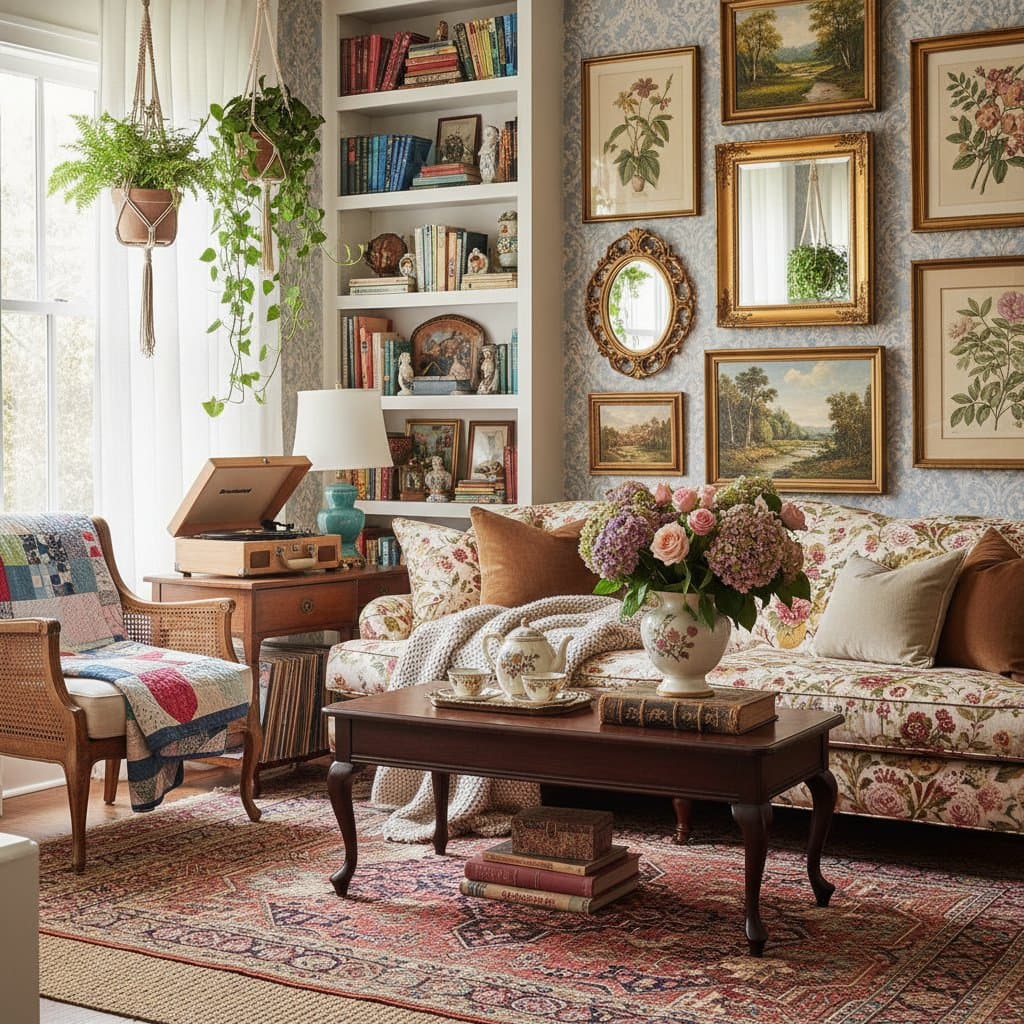
Gen Z's Granny-Chic Revival: Grandmillennial Homes
Imagine stepping into your grandmother's living room, where floral curtains, a velvet armchair, and delicate china plates on the wall evoke an unexpected comfort. These elements transcend mere nostalgia; they represent a resurgent style. Young homeowners nationwide now recognize the enduring appeal of cozy, layered interiors rich in history, which outshine the austerity of sleek minimalism. This grandmillennial movement merges vintage essence with contemporary insight.
Defining Granny-Chic and Its Resurgence
Granny-chic, also known as grandmillennial style, involves adopting traditional design elements with a fresh, youthful perspective. Consider floral upholstery alongside rattan details, needlepoint pillows next to bold abstract artwork, and antique mahogany pieces against walls painted in soft sage or powder blue. This aesthetic delivers warmth and uniqueness. In an era of uniform, mass-produced items and subdued colors, grandmillennial design provides character and sentimental value.
Gen Z drives this trend, seeking residences that appear inhabited and significant. Having matured amid blank white walls and assembly-required furniture, they now desire tactile depth, vibrant hues, and artisanal quality. The practice extends beyond acquiring vintage items; it entails assembling a narrative via intentional selections.
The Allure of Nostalgia
Patterns that recall family gatherings, the aroma of aged books, or the sound of a seasoned chair offer profound reassurance. Grandmillennial design encapsulates this solace without seeming outdated. It honors imperfections and heritage, transforming a floral sofa reminiscent of a grandmother's parlor into a boldly styled focal point.
Balance nostalgia with modernity for optimal effect. Pair a vintage sideboard with a sculptural lamp, or refresh a chintz chair with contemporary fabric. The objective remains to respect history while maintaining vitality and individuality.
Incorporating Grandmillennial Charm
Convert your environment into a welcoming, personality-driven retreat without resembling a historical exhibit. Focus on deliberate layering, merging ease with elegance, and revitalizing classic decor.
Establish a Gentle Base
Select a soothing color scheme, such as dusty rose, subdued greens, warm yellows, and deep creams. These tones form a subtle foundation that highlights your decor. Opt for wallpaper with botanical motifs, stripes, or toile patterns, a hallmark of grandmillennial interiors. If commitment concerns you, apply it to one accent wall or a compact powder room.
Blend Eras Seamlessly
The essence emerges from combining periods. Position a mid-century table near a Victorian mirror for harmony. Combine antique brass lamps with clean linen shades, or layer a vintage rug beneath a modern sofa. Maintain equilibrium; excessive antiques risk heaviness, while strategic contemporary accents preserve energy.
Build Depth Through Textures and Patterns
Grandmillennial spaces flourish with sensory variety. Integrate velvet and cotton, lace and rattan, silk and wool for tactile interest. Layering fosters dimension and coziness. To unify patterns, echo a single hue across fabrics, like linking a blue floral curtain to a navy cushion or striped seat.
Prioritize Durable Investments
Choose furnishings boasting fine workmanship, including carved legs, tufted seats, or intricate inlays. Source them from estate auctions, thrift outlets, or family storage. Restore or reupholster to align with your scheme. This method proves more eco-friendly than new purchases and infuses genuineness.
Integrate Meaningful Accents
Showcase inherited items or mementos that narrate your experiences. A framed embroidery piece from a relative, a pile of old volumes, or porcelain figures serve as discussion prompts. Such elements hold sentimental value and enhance the reassuring vibe central to granny-chic.
Addressing Practical Aspects
Approach this aesthetic with foresight, as its casual appearance demands strategic preparation.
Managing Costs and Procurement
Grandmillennial style often proves economical. Prime discoveries arise from resale venues or digital platforms. An antique dresser may cost less than a comparable new item from a chain retailer. Exercise patience and discernment. While restoration incurs expense, it yields superior durability and authenticity in vintage goods.
Optimizing Layout
Traditional pieces often feature substantial weight and ornamentation, so evaluate proportions. Measure rooms precisely prior to acquiring sizable items like cabinets or tables. Ensure clear walkways and prevent overcrowding. Prioritize ease over accumulation.
Ensuring Security and Upkeep
Verify the reliability of antiques for safety and utility. Inspect chair and table steadiness. For legacy lighting, engage a qualified electrician for rewiring. Historic paints or coatings might involve hazardous substances, necessitating expert oversight during refurbishment.
Navigating Regulations for Alterations
Structural additions like built-in shelving or paneling require permits and skilled labor. Verify municipal codes before proceeding. Qualified specialists assist with adherence and uphold safety protocols.
The Essence of Intentional Maximalism
Grandmillennial design embodies purposeful abundance rather than disarray. Layer textures, motifs, and narratives to craft a space that feels complete and deliberate. A gallery of framed artworks complements overflowing bookshelves. Drapes that gather softly at the floor, alongside varied china sets, elevate a dining area with grace and warmth.
Maximalism thrives on sentiment and intent. Every object merits significance, from a market-found vase to a passed-down quilt. Diverse periods, forms, and surfaces impart vitality to the room.
Gen Z's Affinity for This Aesthetic
Younger residents adopt grandmillennial elements for environmental and expressive reasons. They restore and repurpose rather than replace entirely. This stance challenges transient furnishings and impersonal minimalism, curbing waste while honoring skilled creation.
Digital platforms amplify the shift. Feeds showcase preferences for authentic, comfortable settings over polished displays. Grandmillennial style aligns seamlessly, permitting unique traits to emerge.
Applying the Style Across Rooms
Adapt this aesthetic uniquely to each area.
Living Areas
Select a prominent sofa in floral or plaid upholstery. Incorporate assorted cushions, a knitted throw, and a side table with a ceramic fixture. Anchor with a patterned carpet. Arrange artworks in ornate or timber frames, clustering sizes for an amassed appearance.
Kitchens and Dining Spaces
Exhibit dishware on open shelves or transparent cabinets. Pair legacy glassware with current appliances. A printed cloth or stitched linens temper metallic surfaces. Arrange blooms in a modest vessel to foster intimacy.
Bedrooms
Choose a cushioned headboard or metal bedstead. Stack coverlets, blankets, and monogrammed shams. A dressing table or desk, coupled with a slender seat and ornate mirror, imparts distinction.
Bathrooms
Introduce motif-covered walls, a pedestal tub, or retro fittings in compact zones. Store linens in a woven holder and arrange fragrant bars in ornate dishes.
Tailoring to Your Vision
Grandmillennial residences vary widely, reflecting personal curation. Perhaps floral papers suit you alongside sleek artworks, or classic pieces with spare illumination. Guidelines remain flexible; harmony and sincerity guide the process. Allow your essence to shape the outcome.
Sustaining and Evolving Your Space
Inhabit your granny-chic haven completely. Sip from cherished porcelain, relax under restored glow, and draw inspiration from surroundings that blend reminiscence with innovation. This design encourages pause, valuation of artistry, and immersion in solace.
Interiors develop organically. Refresh textiles by season, incorporate fresh legacies, or recolor surfaces for renewal. The aesthetic endures through adaptation, mirroring life's progression.