
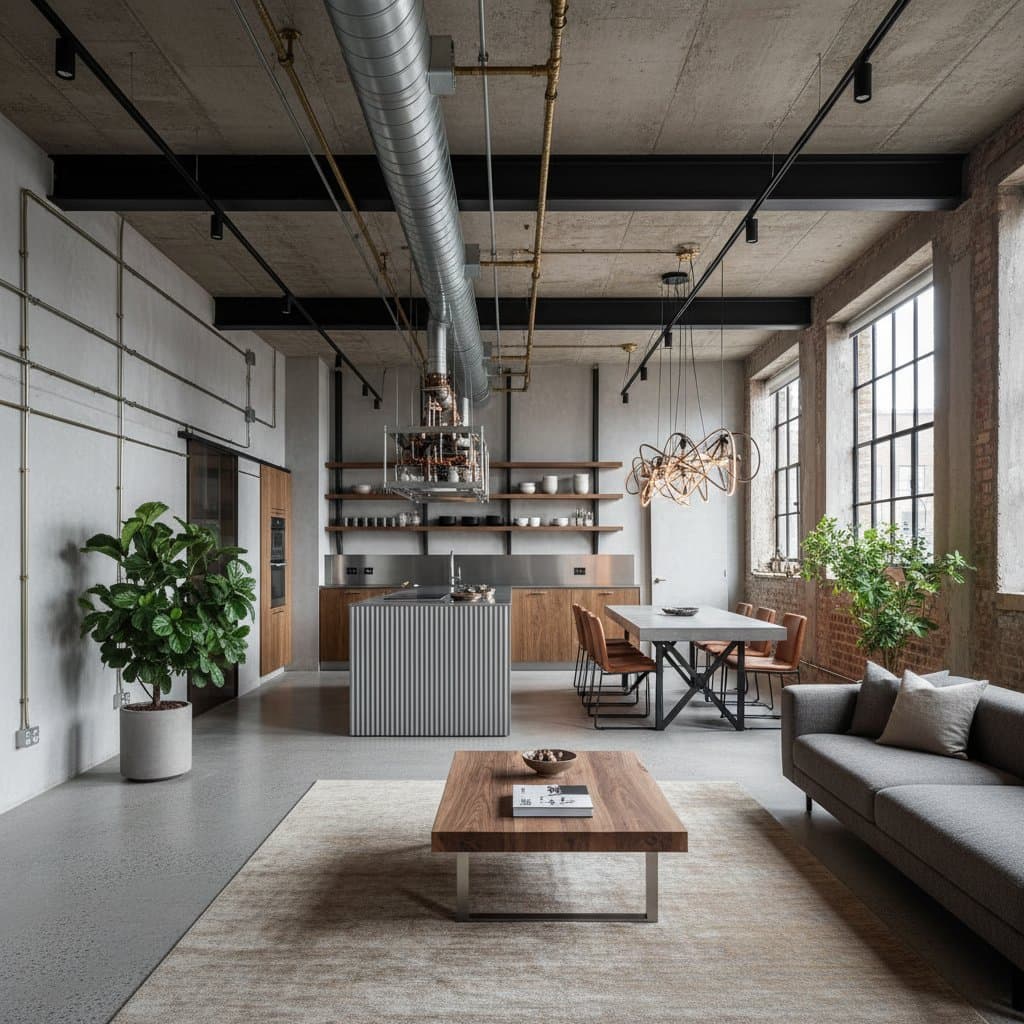
Why Exposed Systems Define Modern Luxury Interiors
Visitors to upscale lofts or boutique hotels often encounter an intriguing sight. Open ceilings reveal pipes, ducts, and structural beams without concealment. Designers position these elements as focal points, transforming what might seem incomplete into a testament to skilled workmanship, openness, and bold vision.
This deliberate exposure of building systems marks a hallmark of contemporary luxury design. Professionals and clients alike challenge traditional notions of completion. Such designs highlight material integrity and construction accuracy, merging rugged industrial elements with elegant finishes to convey genuine opulence.
The Allure of Visible Building Infrastructure
Exposed infrastructure honors the functional core of architecture. Electrical conduits, plumbing, and HVAC ducts integrate into the overall visual narrative rather than remaining hidden. This results in a streamlined, minimalist appearance that emphasizes quality execution over ornate surfaces.
Spaces designed this way exude assurance in their build quality. They require no masking to impress. Clients drawn to authenticity and eco-conscious practices appreciate the visibility of air pathways, wiring routes, and load-bearing supports, fostering a sense of solidity and expansiveness.
Origins of the Exposed Aesthetic
This style emerged from adaptive reuse of industrial sites like warehouses and factories. Original features such as lofty ceilings, exposed brick, and steel frameworks lent inherent character. Designers opted to retain these traits instead of enclosing them in standard finishes, evolving necessity into intentional style.
Contemporary applications extend to fresh builds in residences, dining venues, and workspaces. Projects incorporate unveiled ceilings, raw concrete, and duct systems with meticulous care. High-end iterations feature premium materials, precise alignments, and strategic illumination to accentuate form and surface details.
Balancing Aesthetics and Functionality
Exposed designs demand harmony between form and utility. Unmitigated steel and concrete can amplify noise or chill the atmosphere. Effective solutions involve layered materials and expert planning.
- Manage sound levels. Reflective surfaces intensify echoes; integrate absorptive elements like area rugs, upholstered pieces, or suspended panels to create warmth.
- Regulate climate control. Visible ducts affect airflow; opt for insulated sections or zoned vents to ensure even temperatures.
- Curate visibility. Shield irregular or utilitarian components while showcasing aligned, polished features for a cohesive impact.
- Optimize illumination. Use fixtures that cast even light, avoiding stark shadows from overhead elements while enhancing depth.
Engage specialists early to orchestrate mechanical integrations. Coordination among electricians, plumbers, and HVAC experts ensures visible aspects appear purposeful and refined.
Selecting Materials for Elevated Impact
Premium exposed interiors select enduring, tactile materials that refine rather than replicate raw industrialism.
- Metals: Options like satin-finish aluminum, patinated copper, or powder-coated steel provide structural definition and tonal variety. Glossy surfaces add sleek modernity, while weathered variants introduce subtle narrative.
- Concrete: Polished or sealed applications deliver smooth texture on walls or overhead planes. Temper with organic accents like oak cabinetry or gilded hardware for inviting contrast.
- Wood: Reclaimed timber beams or exposed rafters infuse organic warmth and artisanal detail, countering potential austerity.
- Glass: Clear dividers or balustrades preserve sightlines to the framework, promoting fluidity without obstruction.
Consistency across selections amplifies sophistication. Each exposed feature contributes to a unified, intentional palette.
Budget, Upkeep, and Practical Expectations
Revealing systems seldom lowers expenses; luxury execution demands heightened craftsmanship.
- Budget estimates: Retrofitting an exposed ceiling ranges from $8 to $20 per square foot, influenced by existing infrastructure and finish standards. In ground-up projects, early incorporation might increase mechanical allocations by 10 to 15 percent for custom pathways and treatments.
- Project duration: Uncovering or repositioning elements extends timelines by weeks; meticulous trade sequencing prevents delays.
- Ongoing care: Visible metals attract particulates; schedule yearly inspections, cleanings, or refreshes to sustain vibrancy. Select corrosion-resistant coatings for longevity.
- Compliance and safety: Exposed electrics and plumbing require code adherence; unlicensed work risks fines or failures. Mandate certified oversight for all modifications.
- Regulatory hurdles: Exposures may trigger reviews for structural integrity; verify local ordinances with your team prior to alterations.
These investments yield resilient, character-rich environments that transcend fleeting fashions by prioritizing foundational strength.
Adapting to Local Contexts
Environmental factors shape exposed system viability. In moist climates, duct sweating demands vapor barriers or enclosed linings to avert dampness. Arctic zones benefit from thermal sleeves on pipes to minimize energy loss.
Urban palettes lean toward metallic and cementitious tones for sleek resonance, whereas countryside or seaside dwellings incorporate timber and masonry for grounded appeal. Jurisdictional rules differ; fire-rated enclosures might mandate coverage for select conduits. Expert local guidance aligns vision with feasible execution.
Enhancing with Light and Palette
Illumination elevates exposed frameworks from utilitarian to artistic. Rail systems along girders, inset spots amid timbers, or hung fixtures from piping draw eyes to geometric intrigue. Warm-toned bulbs reveal nuances without overwhelming glare.
Hues support rather than overshadow raw elements. Subdued shades like slate, ivory, or taupe let metallic and timber accents emerge. Introduce a focal tint on beams for drama, ensuring all hardware integrates seamlessly into the scheme.
DIY Limits and Expert Needs
Surface tasks like refinishing pipes suit hands-on efforts with proper preparation. Structural or systems overhauls demand professionals. For initial exposures, consult engineers to evaluate load capacities and service access.
Experienced firms in open-concept builds advise on revelations versus reservations, safeguarding both style and habitability.
The Essence of Luxury in Revelation
Sophistication thrives in restraint. Exposed systems spotlight execution over embellishment, affirming trust in the architecture. Joints, fastenings, and alignments emerge as deliberate motifs, rooting the interior in reality.
This extension of minimalism unveils the edifice's essence. Value derives from orchestration, not excess; flawless integrations of utilities and lumens craft an air of purpose and polish.
Steps to Implement Exposed Design
Start with a thorough survey of concealed realms to identify reveal-worthy assets. Collaborate with design-savvy contractors versed in systems integration. Outline surface treatments, fixture placements, and care protocols upfront.
Prioritize alignments and durable patinas for lasting refinement. Thoughtful execution converts potential rawness into poised elegance, embodying contemporary affluence through transparency and mastery.