
Dopamine Decor: Joyful Interiors Through Color Psychology
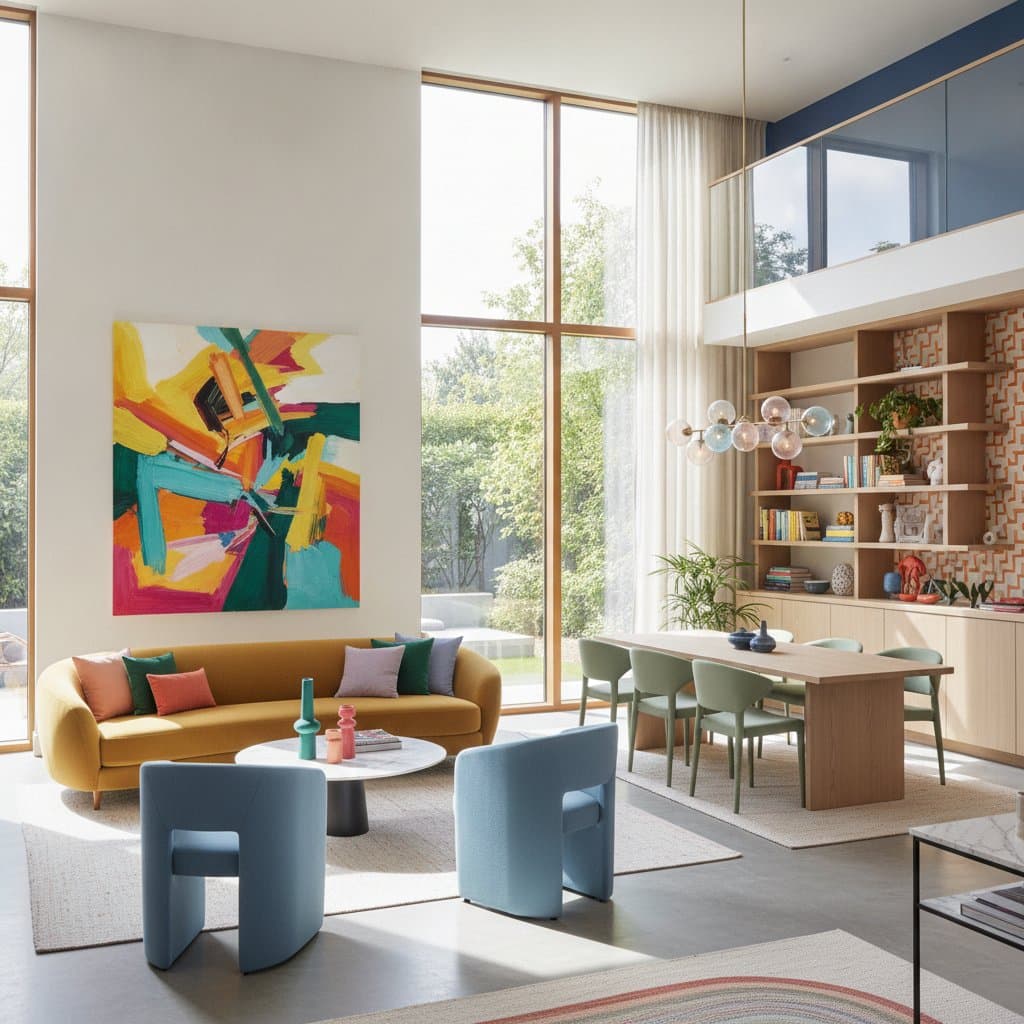
Rooms that lift mood draw attention at once. A coral sofa or a mint and gold pairing generates immediate energy. This outcome defines dopamine decor. The method relies on color, texture, and personal selections to shape spaces that support everyday well being.
How Color Influences Daily Mood
Color reaches the brain ahead of conscious thought. Warm shades foster closeness while cool tones encourage openness. Biology underpins the reaction. Pleasant visual input triggers dopamine release, which connects directly to motivation and satisfaction.
Dopamine decor applies these reactions in concrete ways. It moves past neutral palettes toward rooms that feel expressive. The emphasis remains on steady emotional benefit rather than passing trends.
Core Principles Behind the Approach
Freedom shapes the style. Guidelines stem from documented color effects on energy and calm. A yellow kitchen heightens alertness during morning routines. Lavender in a bathroom eases rushed schedules. Emerald tones in a living room create a quiet retreat.
Design starts with the intended feeling. Personal response to color supplies the entry point. Experimentation combined with basic knowledge of color effects directs choices without formal training.
Color Associations and Room Placement
Each hue carries predictable emotional qualities. Thoughtful placement converts these qualities into functional support.
- Red suits dining rooms and entryways where conversation gains energy.
- Orange fits kitchens and family rooms to promote interaction.
- Yellow performs well in compact areas that require brighter light and optimism.
- Green supports offices and bedrooms with steady natural balance.
- Blue opens small spaces with lighter values and adds focus with deeper values.
- Pink supplies gentle warmth for bedrooms and quiet corners.
- Purple encourages creativity on accent walls or studio spaces.
Intentional mixing produces distinct zones. One bold wall energizes a single area while softer tones preserve overall balance.
Steps to Introduce Color Gradually
Full repainting is unnecessary. Small additions build confidence over time.
- Identify one color already present in clothing or objects and expand from it.
- Add texture through velvet or patterned fabrics to supply depth.
- Select artwork that produces an emotional reaction to anchor the room.
- Include plants for natural green tones and air quality benefits.
- Test warm and cool bulbs to observe how the palette shifts throughout the day.
- Introduce patterned curtains or ceramics to complete the scheme.
The process advances with continued use. Comfort with color grows alongside the evolving character of the home.
Budget, Upkeep, and Safety Factors
Practical limits prevent excess. Paint and small accessories permit low risk testing. Washable finishes and sturdy fabrics suit busy areas. Samples checked under varying light avoid later disappointment. Saturated color performs best when limited to focal surfaces. Low VOC products and proper ventilation protect air quality.
Regional Light and Local References
Climate shapes suitable palettes. Southern homes gain refreshment from seafoam or sky blue. Cooler regions benefit from mustard and terracotta for added warmth. Nearby landscapes supply further cues. Beach sand, park foliage, or local masonry suggest tones that feel consistent with the surrounding environment.
Pairing Intensity with Restraint
Balance prevents visual overload. A cobalt sofa against white walls maintains impact without dominance. A mustard throw on gray upholstery creates contrast. Coral doors gain sophistication next to wood trim. Each space requires areas of visual rest so stronger colors remain effective.
Matching Color to Room Purpose
Emotional zoning aligns palette with intended use.
- Entryways welcome with apricot or turquoise.
- Living rooms promote connection through green and soft blue.
- Kitchens stimulate with yellow or orange.
- Bedrooms support rest with lavender, blush, or sage.
- Home offices aid concentration with deep blue or earthy green.
- Bathrooms refresh with aqua tones.
Color choices then reinforce the function of each room.
Personal Elements and Professional Support
Individual objects strengthen the result. Travel postcards or a repainted dresser add meaning that standard schemes lack. Mood boards of fabric and clippings reveal emerging patterns. When selection feels uncertain, a local designer familiar with regional light can refine choices and manage costs.
Ongoing Care and Adaptation
Vibrant rooms stay effective with rotation of accessories and occasional touch ups. Natural textures such as linen or jute offset bold color to reduce fatigue. Preferences shift with lifestyle changes, and the same flexibility that allows initial choices supports later adjustments.
Sustaining Daily Well Being Through Color
Consistent attention to personal response and room function keeps the approach effective over time. Regular evaluation of how each space feels guides refinements that maintain energy and calm.