
Mood-Boosting Colors: Psychology of Dopamine Decor for 2026
Certain rooms lift the mood instantly while others feel flat. A bright yellow kitchen can ease morning routines. A soft pink accent wall can restore calm after a demanding day. These responses stem from intentional color use in what designers call dopamine decor.
The Idea Behind Dopamine Decor
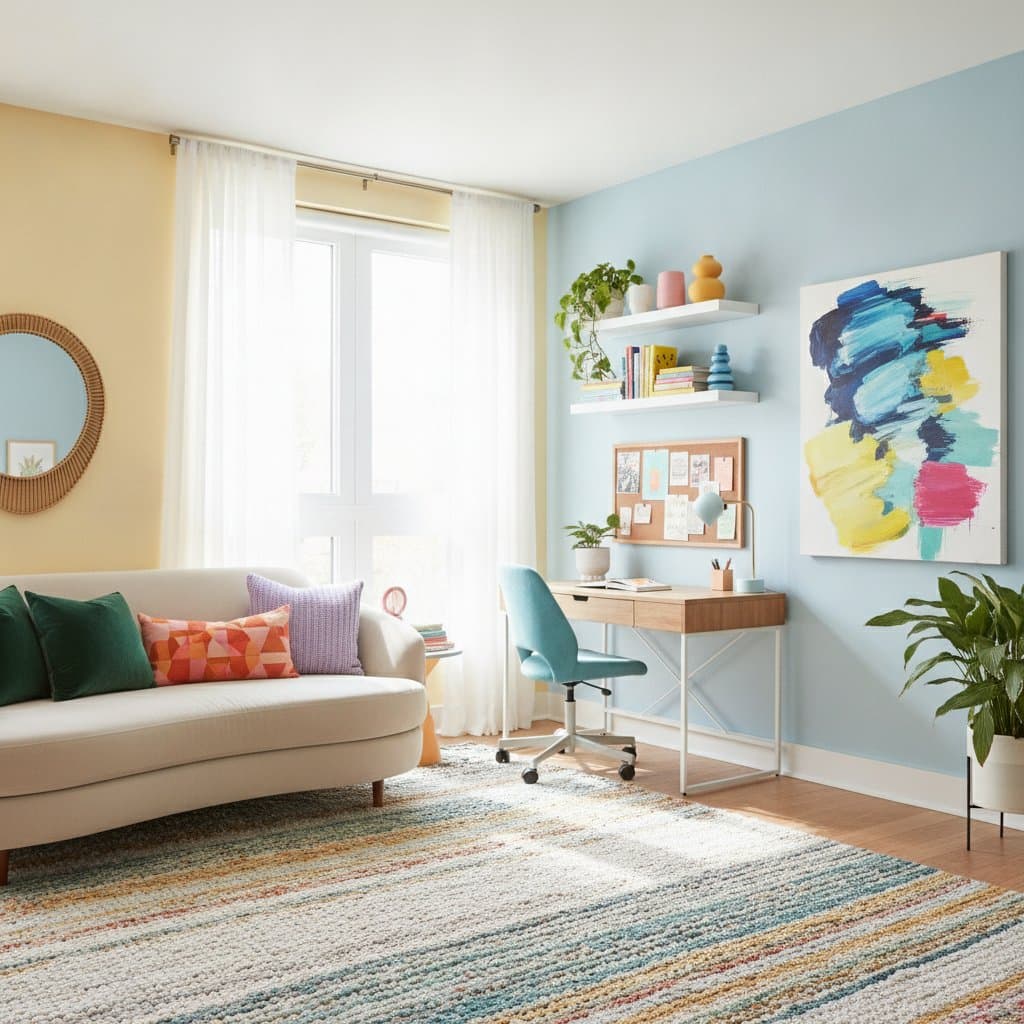
Dopamine decor applies color, texture, and pattern to generate joy and energy. It builds on color psychology research that links specific hues to emotional and behavioral shifts. Spaces are planned to deliver visual stimulation that supports dopamine release while reflecting personal taste. The result is an environment that supports daily well-being rather than serving only aesthetic goals.
Why Color Choice Matters
Each hue produces a distinct reaction. Saturated tones tend to increase alertness. Softer values promote relaxation. Effective designs balance these effects so the room remains stimulating without becoming tiring. The following colors illustrate common choices.
- Yellow brings associations of optimism and warmth. It works well in kitchens and home offices where consistent energy is useful.
- Coral or peach supply vibrancy that remains approachable. These tones suit living rooms that need both activity and comfort.
- Aqua or turquoise evoke open water and sky. They help reduce perceived stress while maintaining a fresh atmosphere.
- Green connects visually to natural settings. It supports focus and recovery, making it suitable for bedrooms and workspaces.
- Hot pink or magenta introduce playfulness when used sparingly. They appear effectively in artwork, pillows, or one statement wall.
Steps to Introduce Dopamine Decor
- Begin with small additions such as cushions, lamps, or framed prints. Test responses before larger commitments like wall color changes.
- Define the intended feeling for each room. Select hues that align with goals such as energy, calm, or creativity.
- Anchor bold accents with neutral bases. White, beige, or soft gray backgrounds allow brighter elements to stand out without visual overload.
- Layer color through multiple surfaces. Rugs, curtains, and upholstery contribute as much impact as paint.
- Choose colors according to personal response rather than current trends. Individual preference determines long-term satisfaction.
Practical Considerations
Repainting one room typically requires an investment between 200 and 500 dollars depending on room size and labor. Substituting accessories for paint reduces the range to 50 and 150 dollars. Most accessory updates can be completed in a single weekend. Painting and basic coordination remain accessible to many homeowners, though extensive changes may benefit from professional input. Low-VOC paints and adequate ventilation protect indoor air quality during application.
Living with Your Color Choices
Successful dopamine decor remains adaptable. A vivid wall that becomes overstimulating can be softened with neutral textiles. A muted space can gain renewed interest through added artwork or plants. Regular small adjustments maintain emotional alignment without repeated major expense.
Sustaining Positive Energy Through Design
View color decisions as an evolving dialogue between personal mood and physical surroundings. Begin with one room, observe daily reactions, and refine selections over time. The outcome is a home that supplies consistent emotional support through deliberate, flexible color use.