
-
Natural Materials
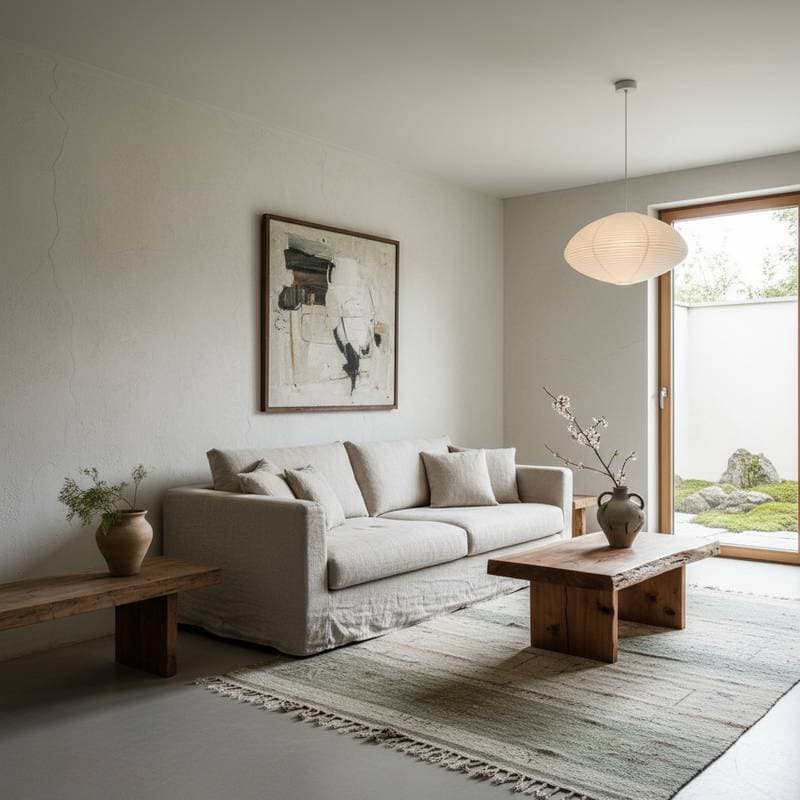
Opt for substances that develop character over time and connect to the earth. Examples include oak with visible knots, river stone, terracotta, organic cotton, and flax linen. Allow inherent flaws, such as mineral veins or fiber inconsistencies, to contribute texture and intimacy. -
Simple Forms
Eschew ornamentation in favor of functional shapes. A low-slung ash bench or an asymmetrically glazed mug exemplifies elegance without elaboration. -
Subdued Colors
Draw from the natural world for a restrained spectrum: warm taupes, creamy off-whites, sage greens, and chestnut browns. Such hues soothe vision and anchor the environment. -
Visible Craftsmanship
Select items bearing traces of human creation, like wheel-turned vessels, hand-loomed rugs, or joinery-exposed cabinetry. These elements convey thoughtful labor and origin. -
Embrace Wear and Age
Treat signs of use as assets. A burnished copper tray or a sun-faded cushion gains allure through accumulated marks, symbolizing shared experiences. -
Mindful Space
Cultivate openness for light and circulation. Wabi-sabi arrangements appear sparse yet inviting, with each item justified by utility or sentiment.
Practical Steps to Infuse Wabi-Sabi into Your Space
Transition to wabi-sabi through incremental, feasible modifications. This roadmap offers a structured beginning:
-
Declutter Intentionally
Eliminate objects lacking vitality or narrative. Retain those with practical roles or emotional weight. Aim for purposeful sparsity rather than stark emptiness. -
Repair Over Replace
Address damage with restoration techniques. For a splintered shelf, apply a contrasting wood inlay; for broken dishware, explore kintsugi methods using metallic resin to highlight fractures as integral features. -
Enhance Natural Illumination
Maximize daylight via sheer fabrics and unobstructed views. Supplement with diffused lamps that accentuate material nuances without harsh glare. -
Source Local or Artisan Creations
Patronize regional makers for vessels, fabrics, and fixtures. A nearby potter's irregular bowl or weaver's linen throw embodies localized authenticity. -
Refine Surfaces Simply
Apply breathable limewash to walls or expose subfloor grains. Steer clear of high-sheen coatings that mask natural variance. -
Allow Asymmetrical Arrangements
Position elements off-axis for organic flow. An angled floor lamp beside a clustered seating area fosters approachability over rigidity.
Cost and Effort Considerations
Wabi-sabi accommodates varied budgets, from resourceful repurposing to commissioned works. Plan accordingly with this overview:
- DIY Modifications: Reorganizing, purging excess, or sanding existing pieces typically involves only time and modest tools, under $100.
- Material Refreshments: Updating palettes with matte paints, installing fiber drapes, or polishing floors might total $400 to $2,500, scaled to area and scope.
- Expert Interventions: Bespoke installations like textured renders, custom mosaics, or artisan millwork range from $3,000 to $12,000 for substantial areas.
Most achieve satisfaction by piloting changes in select zones, evaluating comfort before broader implementation.
Adapting Wabi-Sabi to Regional Contexts
This aesthetic flexes across environments, with adjustments for local conditions. In damp regions, select moisture-resistant options like sealed bamboo or slate. Colder zones benefit from layered woolens and rough-hewn textiles that retain the tactile simplicity.
Aesthetic alterations seldom require permissions, though modifications to infrastructure may. Verify regulations for wall treatments, glazing, or wiring adjustments.
Prioritize well-being: Use masks and airflow during sanding or stripping; engage specialists for load-bearing or electrical tasks.
Emotional and Practical Advantages
Beyond aesthetics, wabi-sabi shapes daily experience. Embracing flaws alleviates maintenance stress, viewing marks as testaments to vibrant use.
It promotes resourcefulness, favoring mends over disposals, which builds layered, storied environments. Visitors frequently note the tranquil, rooted quality of such homes, evoking ease and presence.
Pitfalls to Sidestep in Wabi-Sabi Design
Imperfection demands discernment, not abandon. Avoid these errors:
- Overlooking Upkeep: Age warrants respect, not deterioration. Maintain cleanliness and security amid visible history.
- Excessive Spareness: Barrenness chills; incorporate foliage, cushions, and heirlooms for coziness.
- Incompatible Blends: Align with neutral, harmonious accents. Shun bold contemporaries or robust metallics that clash.
- Sacrificing Utility: Ensure functionality; wabi-sabi supports habitation, not mere admiration.
Cultivating a Wabi-Sabi Perspective
Adopting this philosophy reshapes perception. Everyday details, like a warped drawer pull or softened upholstery, reveal subtle grace. Objects evolve from mere utilities to companions bearing shared timelines.
This lens extends to broader living, nurturing resilience and appreciation. Your home then transcends shelter, serving as a steady anchor amid flux.
Initiate Your Wabi-Sabi Journey
Select a modest zone for initial focus, perhaps a hallway console or bedside tableau. Clear nonessentials, introduce organic accents, and observe the shift in ambiance. Allow the space to settle, revealing its inherent poise.