
Wabi-Sabi's Imperfect Charm: The 2025 Interior Design Trend
Consider an uneven wall texture or a chipped edge on a wooden table. These elements might seem like flaws, yet they hold the potential to infuse a home with genuine character. Wabi-Sabi, a Japanese aesthetic philosophy, honors imperfection, natural processes, and transience. This approach fosters serenity in raw, authentic surroundings rather than in flawless, artificial ones.
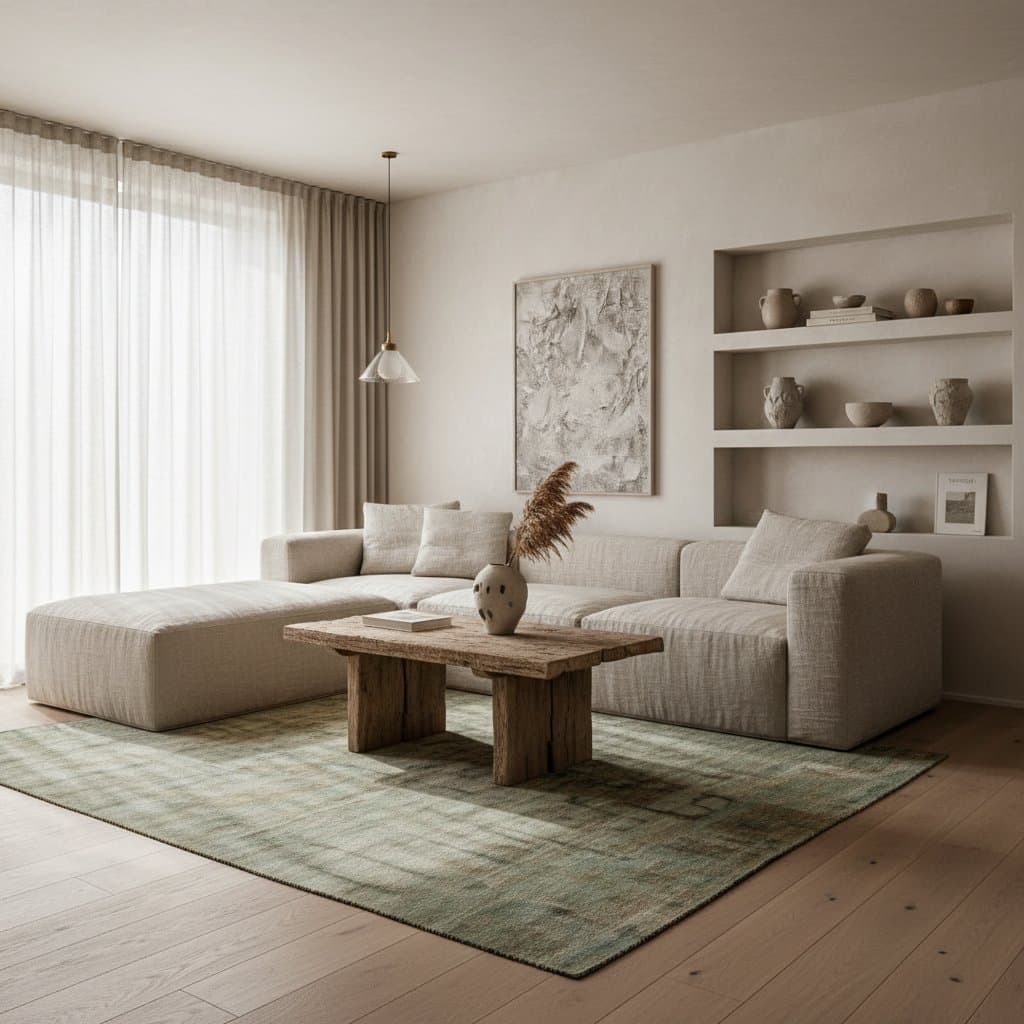
Picture a living room where sunlight passes through linen curtains, illuminating the textured surface of an antique oak table. The atmosphere emerges as serene, rooted, and inviting. Wabi-Sabi design captures this quality and emerges as a prominent trend in contemporary interiors.
Rediscovering Beauty in Imperfection
Wabi-Sabi encourages a deliberate pause to observe details closely. A fissure in a ceramic bowl, a worn rug, or an asymmetrical hand-thrown vase conveys narrative depth. Such features impart warmth and sincerity, demonstrating that aesthetic appeal need not rely on uniformity or gloss.
In an era of widespread manufacturing, this perspective offers refreshing contrast. Integrate Wabi-Sabi into modern environments by emphasizing genuineness. Select weathered timber, artisanal ceramics, and fabrics that reveal their craftsmanship. The allure resides in items that bear traces of use, distinct from pristine displays.
Why Wabi-Sabi Suits Contemporary Homes
Homeowners increasingly seek personalized, tranquil interiors. While minimalism provides elegance, it sometimes conveys detachment. Wabi-Sabi restores emotional depth to pared-down spaces, blending restraint with heartfelt expression.
This harmony arises from combining simplicity with substance. Envision a concrete countertop retaining subtle roughness over a high sheen finish. Or consider a limewashed wall displaying gentle tonal variations. The intent focuses on deliberate exposure of inherent qualities rather than concealment.
Incorporating Wabi-Sabi Elements
Transformation requires no complete redesign; begin modestly and expand gradually.
- Select natural materials. Choose timber, linen, stone, and clay. These substances develop patina and richness as they age.
- Declutter thoughtfully. Eliminate excess without fostering void. Allow space for light and air to circulate freely.
- Honor signs of use. Retain a table with minor scratches to value its evolving surface. Each imperfection records moments of interaction and recollection.
- Add artisanal items. Incorporate a woven blanket or a mug bearing a subtle fingerprint. These pieces provide a tactile, human connection.
- Employ subdued colors. Utilize pale beiges, terracotta browns, sage greens, and slate grays. This scheme enhances the harmony of organic textures.
As these elements accumulate, the residence evolves into a refuge rather than a mere exhibit.
The Underlying Philosophy
Beyond aesthetics, Wabi-Sabi represents a worldview that embraces flux and flaws, acknowledging the impermanence of all things. A bowl's minor chip or fabric's gradual fade signifies vitality rather than decline.
In practical application, this manifests as measured selection. Opt for sparse furnishings, each imbued with significance. Place a solitary driftwood sculpture as a focal point instead of numerous ornaments. Or expose a wall's raw plaster to highlight its organic form. Such decisions convey subtlety over ostentation.
Applying Wabi-Sabi Room by Room
Adapt the principles to individual areas for cohesive yet varied expression.
Living Room: Employ low-profile seating in natural fibers with diffused illumination. A linen-upholstered sofa, a jute area rug, and a stack of well-thumbed volumes foster relaxation.
Kitchen: Feature open shelving for pottery and tools displaying usage. An irregular handmade tile installation behind the counter introduces distinctive texture.
Bedroom: Maintain a restrained color range. Layer bedding in softened cotton or linen shades of taupe and quartz. A lone branch in a simple vase suffices for ornamentation.
Bathroom: Emphasize organic surfaces. Install stone sinks, timber accents, and plush linens. Prioritize peace over precision.
These adaptations reinforce the central theme of genuineness surpassing refinement.
Practical and Budget Considerations
Wabi-Sabi accommodates diverse financial levels. Source crafted goods from regional makers or revive existing possessions. Restoring vintage pieces to expose their natural patterns often proves more fulfilling than acquiring replacements.
For renovations, consult builders on durable, evolving finishes. Options like limewash, salvaged lumber, and untreated stone deliver sophistication affordably. Natural elements demand maintenance, yet their subtle aging enhances appeal, unlike synthetic alternatives.
Major alterations, such as wall or floor modifications, may require approvals. Review local regulations prior to commencement.
The Reassurance of Imperfect Surroundings
Spaces free from demands of flawlessness provide profound solace. Wabi-Sabi interiors appear inhabited, tempered by daily contact. They invite deceleration, mindful respiration, and attention to nuances. When a home embodies candor over aspiration, it aligns with everyday existence.
This method alleviates the urge for perpetual renewal. Permit the environment to mature organically. An aged leather armchair gains a supple luster, linen drapes acquire faint softening, and timber floors collect faint marks. These developments represent traces of duration, not defects.
Aligning Wabi-Sabi with Sustainability
Wabi-Sabi inherently promotes eco-conscious practices. By cherishing existing resources, waste diminishes. Mending, adapting, and restoring integrate seamlessly into the visual narrative. Repair a fabric rent with evident stitching or rejuvenate an antique armoire in lieu of disposal.
Sustainability emerges from intentionality rather than mandates. Prioritize enduring, meaningful selections over fleeting fashions. This cultivates enduring relevance.
Collaborating with Knowledgeable Experts
For Wabi-Sabi-oriented projects, seek designers and builders attuned to nuance. Identify those versed in organic finishes and fluid forms. They assist in attaining textured authenticity without an air of incompletion.
Post your initiative on Doric South at no cost to connect with nearby specialists in understated, nature-inspired aesthetics. Vetted for competence and dependability, these professionals enable realization of concepts through shared visuals, material discussions, and clear estimates prior to engagement.
Evolving with Wabi-Sabi Long-Term
Wabi-Sabi's efficacy reveals itself through sustained habitation. The design matures alongside routines. Textures mellow, hues subtly transform, and possessions narrate personal histories.
Observe how dawn illuminates an irregular stucco surface or how a mug's petite flaw renders it irreplaceable. This philosophy nurtures an intimate bond with one's setting, enriched by ongoing acquaintance.
Steps to Embrace Authentic Design
To cultivate a serene, rooted, and sincere habitat, Wabi-Sabi provides an elegant route. Commence with current assets, welcome irregularities, and favor truthful substances. Perfection from catalogs proves unnecessary.
From comprehensive overhauls to targeted refreshes, Wabi-Sabi affirms that allure inheres in the weathered, the asymmetrical, and the tangible. Intentional creation over idealization elevates a dwelling beyond mere shelter into a resonant haven.