
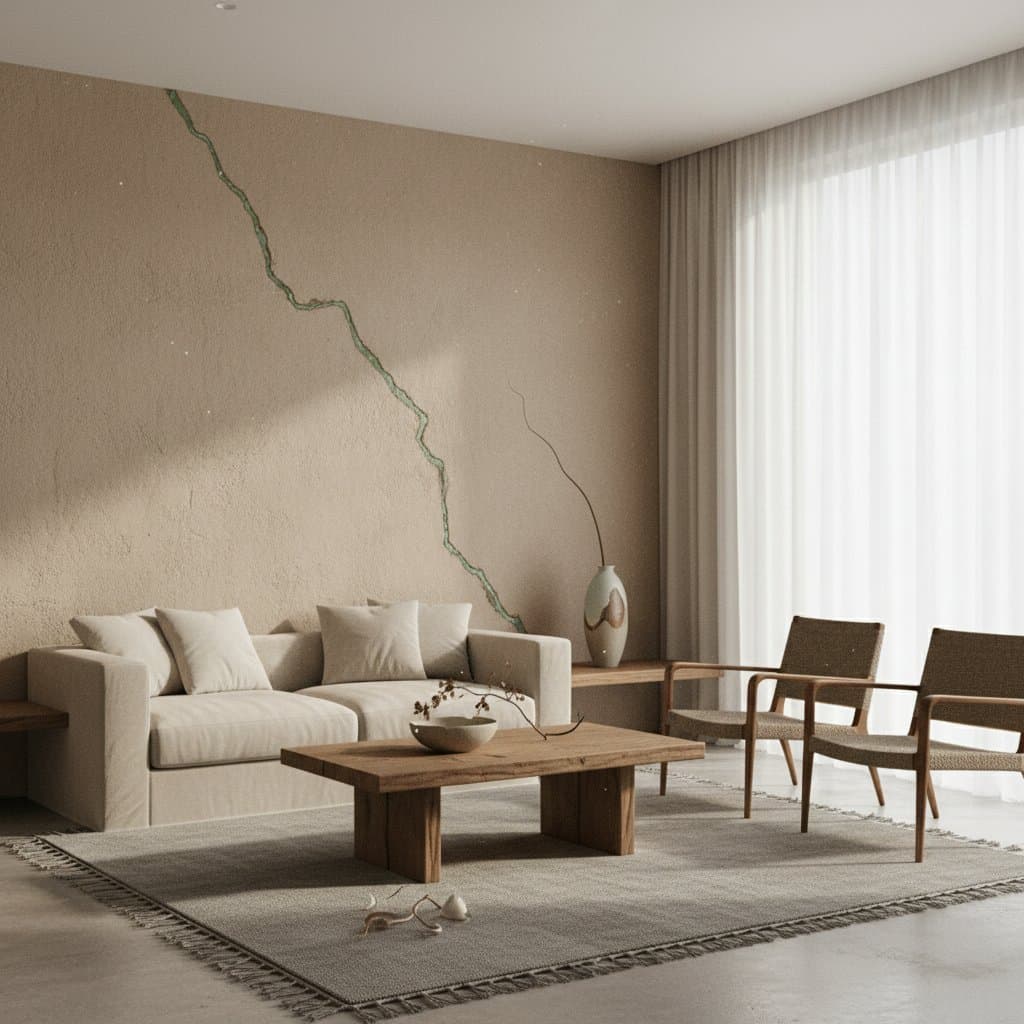
Wabi-Sabi Homes: Imperfect Beauty Defines 2026 Design
Many individuals grow weary of striving for flawless interiors, where every surface demands meticulous upkeep. Consider a table bearing a faint scratch or a mug with a subtle chip; these elements often evoke frustration. Wabi-Sabi redefines such marks as integral to a home's character, elevating imperfection to a deliberate aesthetic choice.
The Appeal of Imperfect Beauty
Wabi-Sabi originates from Japanese philosophy, which derives tranquility and allure from simplicity, nature, and subtle wear. This perspective shifts focus from idealized perfection to the inherent grace of existing forms. In interior design, it translates to environments rich in organic textures rather than sleek, artificial finishes, resulting in spaces that exude honesty and ease.
Contemporary preferences align closely with this ethos. Homeowners increasingly reject elaborate, high-gloss treatments and overly curated rooms. Wabi-Sabi restores warmth and individuality, affirming that residences serve daily life rather than perpetual display.
The Core Principles of Wabi-Sabi Design
Wabi-Sabi interiors integrate three foundational concepts: simplicity, authenticity, and impermanence. These elements guide both the arrangement and the experience of a space.
- Simplicity involves decluttering to allow individual pieces ample presence and negative space.
- Authenticity emphasizes selections that mature organically, like raw timber, flax fibers, or earthenware.
- Impermanence acknowledges inevitable transformation; a patina on metal or softening in upholstery gains value as evidence of lived experience.
Such homes prioritize solace over spectacle. They provide havens for contemplation, where one unwinds effortlessly upon entering.
Incorporating Wabi-Sabi into Your Home
Full-scale overhauls prove unnecessary; incremental changes suffice to infuse this philosophy. Begin with elements that resonate personally, building gradually for authentic integration.
Select Natural Materials
Opt for timber, rock, terracotta, flax, or wool over manufactured alternatives. These choices develop unique patinas, enhancing spatial depth through varied tactility.
- Timber: Source salvaged or raw boards; knots and irregular grains contribute visual intrigue.
- Rock: Favor textured or asymmetrical forms over smoothed varieties for grounded authenticity.
- Textiles: Select plant-based fabrics like cotton or jute, which mellow through use and washing.
Although initial investments exceed those for synthetic substitutes, these durable options endure longer. Frequent replacements become obsolete, yielding long-term savings.
Adopt a Serene Color Scheme
Draw from earth's palette with subdued hues: creamy off-whites, soft taupes, muted sages, or warm umbers. Vibrant accents remain viable if tempered for subtlety.
This restrained spectrum soothes the gaze and facilitates effortless layering. Rooms adapt seamlessly to evolving decor without clashing.
Embrace Visible Imperfections
When restoring items or applying finishes, permit minor variances. An imperfect edge on a painted surface or a subtle inconsistency in varnish imparts handmade charm.
Amplify these traits intentionally, inspired by kintsugi, the Japanese art of mending ceramics with metallic resin to honor fractures. Extend this to furnishings: a mended table leg or distressed textile conveys narrative depth, connecting inhabitants to their surroundings.
Streamline Decorative Elements
Wabi-Sabi thrives on restraint; curate possessions to essentials that hold significance.
Implement these measures:
- Evacuate countertops and tables of nonessentials.
- Retain singular, cherished items, such as a crafted vessel or aged photograph.
- Relocate surplus to storage, eliminating visual overload.
Immediate tranquility emerges as openness prevails.
Employ Gentle Illumination
Harsh fixtures disrupt serenity; favor diffused sources like table lamps, beeswax candles, or filament strands for warm diffusion.
Maximize daylight through translucent shades, allowing illumination to vary hourly. This fluidity reinforces the transient quality central to Wabi-Sabi.
Budget Considerations and Implementation
Wabi-Sabi accommodates diverse financial levels. Tailor strategies to resources for feasible adoption.
Affordable Strategies
- Reorganize existing inventory for fresh perspectives.
- Restore heirloom pieces via sanding and natural oils.
- Incorporate foraged elements, such as driftwood or pebbles, as accents.
- Browse thrift outlets for patina-rich finds.
This method demands patience yet minimizes expenditure, often under $200 for targeted enhancements.
Investment-Oriented Paths
- Commission artisans for bespoke items from recycled lumber.
- Acquire artisanal pottery or woven floor coverings.
- Upgrade bases to sustainable options like cork or slate.
Costs may reach thousands based on scope, necessitating coordination. The enduring quality justifies the commitment.
Advantages and Challenges of Wabi-Sabi Interiors
Advantages
- Fosters soothing, hospitable environments.
- Minimizes excess, promoting mental clarity.
- Highlights craftsmanship and organic origins.
- Evolves harmoniously, reducing renovation cycles.
Challenges
- May appear austere to those favoring polish.
- Demands maintenance, like periodic wood treatments or delicate fabric care.
- Requires adaptation from sleek, contemporary tastes.
Balance emerges through selective application. Integrate compatible flourishes without rigid adherence, prioritizing personal harmony over dogma.
Cultivating a Wabi-Sabi Perspective
Beyond aesthetics, Wabi-Sabi influences daily outlook. It values progression over finality; a groove in flooring evokes shared memories, while sun-bleached paint traces seasonal shifts.
Surrendering to evolution animates the dwelling. Cultivate this through routines:
- Mend items restoratively when feasible.
- Savor unhurried intervals, free from interruptions.
- Attune to ambient qualities: grain under touch, scents in air, light's dance.
- Welcome gradual modifications as natural.
Sustaining Wabi-Sabi Aesthetics
This style tolerates patina yet requires vigilance against decay. Preserve vitality without erasing essence.
- Wipe accumulations lightly to sustain material vitality.
- Renew timber protections seasonally with oils.
- Shift textiles periodically for uniform aging.
- Address hazards promptly while retaining cosmetic traces.
Equilibrium ensures habitability alongside the philosophy's essence.
Realizing Wabi-Sabi in Practice
Cultural origins matter little; this design transcends boundaries. Initiate in a nook or with a single object, layering textures and dimming lights while releasing uniformity's grip.
Transformation yields prompt personalization. Wabi-Sabi sidesteps fleeting fashions, anchoring in present realities. As you refine spaces, imperfections evolve into cherished signatures, deepening attachment to your sanctuary.