
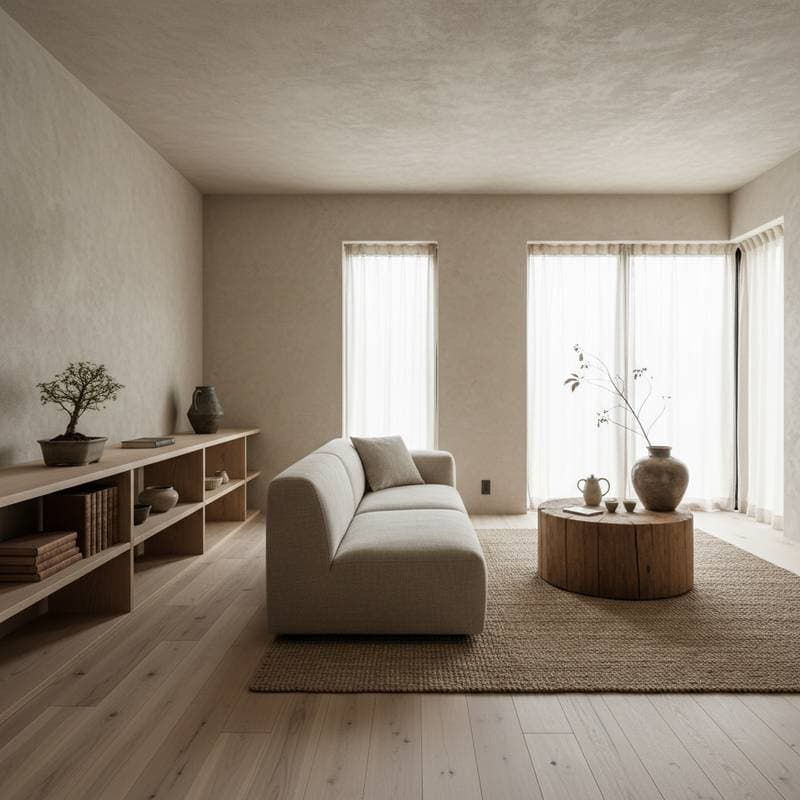
Embracing Imperfection: The Essence of Wabi-Sabi Home Design
You may notice that your home feels overly polished, excessively symmetrical, or even sterile. Such spaces often lack the warmth that defines a truly lived-in environment. Consider a room where sunlight streams through linen curtains, aged wood floors show gentle wear, and every object carries a subtle narrative. This vision embodies Wabi-Sabi, a Japanese philosophy that honors imperfection, transience, and genuine authenticity.
The Allure of Imperfection
Wabi-Sabi encourages appreciation for the real and unrefined. A chipped ceramic mug, a weathered wooden table, or a faded woven rug represents vitality rather than disregard. These elements mark the passage of time and infuse spaces with depth. In a society that values flawlessness and novelty, this approach provides a sense of relief and connection to the natural order.
The philosophy prioritizes sincerity over uniformity. It favors asymmetry, organic textures, and subdued colors to foster environments that feel stable and tranquil. Such designs serve as sanctuaries amid modern chaos, promoting a deeper engagement with surroundings.
Origins and Principles of Wabi-Sabi
Wabi-Sabi draws from ancient Japanese traditions and extends beyond aesthetics into a way of perceiving the world. The term "Wabi" evokes simplicity and modesty, while "Sabi" captures the patina developed through years of existence. Combined, these concepts embrace the fleeting nature of life and the value of honest expression.
In home design, Wabi-Sabi prompts a deliberate pause to value unique flaws. Consider the fine cracks in a clay pot on a shelf, the tarnish on brass hardware, or the irregular patterns in timber beams. Each feature narrates cycles of creation, wear, and restoration, grounding inhabitants in the present moment.
Incorporating Wabi-Sabi Elements into Your Space
Transformation begins with modest changes that foster personal resonance. Wabi-Sabi flourishes through gradual, thoughtful integration rather than drastic alterations.
Select Materials That Evolve with Time
Prioritize substances that gain character through use, such as timber, rock, earthenware, flax fabrics, and natural fibers. For instance, select a salvaged walnut console table with prominent knots or a hand-thrown stoneware pitcher featuring minor asymmetries. These choices align with Wabi-Sabi by revealing the material's inherent story.
Natural elements respond to their environment, absorbing warmth and developing unique surfaces. Trace your hand over a textured stone countertop or observe the subtle variations in a wool tapestry. This tactile interaction bridges the gap between user and creation, enhancing emotional ties.
Adopt Subdued, Earth-Inspired Colors
Draw from the earth's palette with tones like soft beiges, hazy grays, earthy umbers, and off-whites. Build interest via surface variations instead of bold contrasts. Layer a textured cotton duvet, a sisal floor covering, or an unpolished stucco finish to add nuance without overwhelming.
Envision the muted shades of a misty dawn or polished pebbles along a streambed. This restrained scheme endures across seasons, promoting relaxation and harmony in daily life.
Assemble Collections Mindfully
Focus on quality over quantity by selecting items with significance. Place a single, twisted driftwood branch in a simple glass jar rather than cluttering with multiple trinkets. Each addition should evoke memory or utility, transforming spaces into personal archives.
This practice cultivates awareness and discernment. By curating deliberately, you emphasize enduring value, allowing your home to mirror essential priorities without excess.
Honor Visible Marks of Use
Allow signs of wear to remain, such as scuffs on oak flooring, impressions in a cast-iron skillet, or softened fringes on a handwoven cushion. Wabi-Sabi views these as evidence of engagement rather than defects. Preserve them to maintain the narrative integrity of your surroundings.
Architectural quirks, like a subtly bowed partition or revealed rustic joists, can elevate ordinary areas. Highlight a section of aged lime render or an irregular brick archway to infuse character and invite contemplation.
Design for Tranquility and Openness
Maintain uncluttered yet inviting arrangements, where empty areas balance occupied ones. Position a low wooden bench with ample surrounding space or a lone floor vase in a corner to encourage reflection.
Experiment by placing three natural objects on a mantel, then withdrawing one. Observe the resulting composure. This discipline achieves equilibrium, inviting peace into everyday routines.
Key Practical Aspects
Wabi-Sabi integration suits various budgets and emphasizes reuse of existing items.
- Budget Estimates: Basic refreshes, such as refinishing vintage chairs with natural oils, typically cost less than one hundred dollars. Larger projects, like applying clay-based wall treatments or laying artisanal flooring, may range from several hundred to thousands of dollars, influenced by scale and sourcing.
- Upkeep Routines: Organic materials demand periodic attention. Apply beeswax to timber surfaces annually, launder hemp linens in cool water, and protect porous stone with food-grade sealants. These acts strengthen bonds with your living environment.
- Health and Eco-Factors: Select low-VOC paints and regionally harvested resources to minimize ecological footprint and improve air quality. Opt for durable, biodegradable options that support long-term sustainability.
- Regulatory Notes: For modifications involving load-bearing elements or specialty finishes, engage certified experts. Adherence to local standards safeguards structural integrity and habitability.
Wabi-Sabi as a Way of Life
Wabi-Sabi transcends visual appeal to shape sensory and emotional experiences. A notched wooden spoon evokes shared meals, while diffused light through aged rice paper shades fosters quietude.
This mindset complements minimalism with added sentiment, retaining comforting layers rather than austerity. It urges retention of cherished possessions and attentive stewardship.
In broader design, Wabi-Sabi informs structures with fluid plans, passive airflow, and artisanal touches. Incorporate regional woods like oak or river clay to harmonize buildings with landscapes, creating humble yet intricate forms that respect natural rhythms.
Selecting Skilled Collaborators
To realize Wabi-Sabi visions, identify artisans versed in organic finishes and bespoke elements. Examine portfolios for projects showcasing raw textures, aged surfaces, and understated elegance. Share detailed concepts and request references to confirm compatibility.
Prioritize those experienced in sustainable practices, such as sourcing reclaimed lumber or crafting irregular tiles. This collaboration ensures your space evolves authentically, blending expertise with your intent.
Sustaining Wabi-Sabi Harmony
As your home embodies these principles, its allure intensifies with daily interaction. Sunlight alters timber hues throughout the day, a hairline fracture in porcelain gains endearing familiarity, and routines imprint subtle evolutions.
Preserve this essence through:
- Gentle dusting that preserves patina without erasing history.
- Seasonal shifts in arrangements to echo outdoor changes.
- Mending over discarding to extend lifespans.
- Moments of pause to savor domestic rhythms.
These habits weave care into the fabric of living, honoring transience without pursuit of ideals.
Realizing Timeless Comfort
A Wabi-Sabi interior offers enduring personalization and solace. It nurtures deceleration, delight in restraint, and recognition of life's subtle imprints. Prioritize intimate refuge over outward display, crafting a haven that anchors and rejuvenates.
Begin your journey by assessing current spaces for opportunities to introduce natural warmth. Through intentional choices, your home becomes a testament to resilient beauty, rooted in the authentic and the ephemeral.