
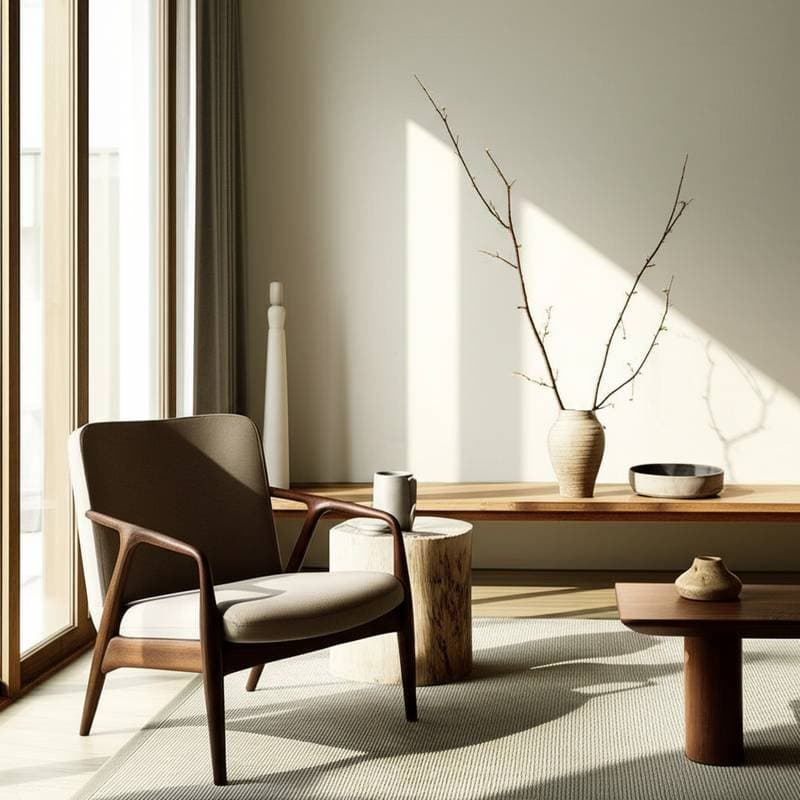
Discover Wabi-Sabi: Imperfect Beauty in Home Design
Your perfectly decorated room may feel too polished, lacking a sense of soul. Cushions align precisely, paint remains flawless, yet an underlying emptiness persists. This sensation signals a desire for warmth, calm, and authenticity beyond mere gloss. Such a longing introduces Wabi-Sabi, the Japanese philosophy that honors imperfection, impermanence, and simplicity.
Envision a space where a crack in a ceramic bowl narrates a tale, weathered wood pulses with vitality, and quiet corners foster reflection rather than demand focus. Wabi-Sabi rejects perfection in favor of the charm in the worn, the aged, and the handmade. It positions your home as a dynamic entity that matures over time, imbued with personal character and life's subtle imprints.
Understanding the Essence of Wabi-Sabi
Wabi-Sabi centers on grace within imperfection. The term derives from two Japanese
In design applications, Wabi-Sabi prompts a deliberate pace to cherish existing elements. Chipped pottery, faded fabrics, and irregular textures possess deeper significance than mass-produced alternatives. The allure stems from inherent honesty, the passage of time, and the distinctive marks that render each item irreplaceable.
Why Wabi-Sabi Resonates in Modern Homes
Contemporary existence often drives toward flawlessness. Smooth finishes, symmetrical arrangements, and uniform decor prevail in interiors, stifling personal expression. Homeowners increasingly experience exhaustion from this pursuit of perfection. Wabi-Sabi provides equilibrium, revitalizing environments with genuine vitality.
Adopting Wabi-Sabi grants your home freedom to accommodate daily living. A floor scuff records family gatherings. A flea market chair, though mismatched, emerges as a cherished centerpiece. This mindset fosters warmth and connection, converting your residence into an authentic haven.
Bringing Wabi-Sabi Into Your Home
Embracing Wabi-Sabi requires no complete renovation. The method proves gentle, incremental, and intimately tailored. Begin by surveying your space, identifying elements that appear contrived or excessively refined. Proceed with deliberate modifications that cultivate tranquility and imperfection.
1. Choose Natural Materials
Wabi-Sabi flourishes with substances that mature elegantly. Consider wood that richens in hue, stone acquiring faint patinas, and linen yielding to softness through repeated laundering. These selections narrate histories via evolving textures and subtle transformations.
- Select raw timber furniture showcasing visible grain patterns.
- Incorporate clay, ceramic, or terracotta vessels over glossy porcelain alternatives.
- Integrate woven baskets, jute rugs, or cotton throws to enhance tactile depth.
The objective avoids contrived rusticity. Instead, it seeks seamless alignment between materials and their surroundings.
2. Embrace Neutral and Muted Tones
Wabi-Sabi spaces draw from nature's subdued spectrum. Tones of sand, ash, moss, and clay evoke serenity. Such palettes permit imperfections to emerge without clashing against vibrant hues.
Layer neutrals thoughtfully: pair a beige wall with a gray linen sofa, accented by charcoal or deep brown elements. Natural light interacts dynamically with these surfaces, unveiling textures across varying times of day.
3. Let Imperfection Show
Wabi-Sabi homes conceal no blemishes. A mended vase, frayed hem, or subtly irregular wall finish infuses vitality. The Japanese practice of kintsugi exemplifies this: broken pottery mends with lacquer and gold, elevating fractures into aesthetic highlights. It symbolizes repair and endurance as integral to existence.
Apply this outlook to ordinary items. Retain the chipped mug that fits comfortably in your grasp. Showcase the imperfectly rounded handmade bowl. These artifacts convey warmth and uniqueness absent in industrialized products.
4. Simplify and Declutter
Wabi-Sabi prizes emptiness and repose. Excess distracts from inherent quietude. Decluttering preserves essence without erasing individuality; it involves selective curation so retained pieces resonate with purpose.
Commence with flat surfaces. Designate open zones for visual respite. Retain solely functional or joy-sparking objects. A plain wooden bench, solitary vase branch, or low table candle yields striking presence amid surrounding void.
5. Add Handcrafted and Local Elements
Artisanal creations embody Wabi-Sabi's irregularities. They evidence human touch, imparting unique cadence to each form. Source from regional makers producing pottery, textiles, or furniture with organic finishes. This practice bolsters community ties and enriches spatial connection to locale and heritage.
A community-made wooden stool might display minor knots or tonal variances dismissed in factory settings. These traits elevate its appeal. Your interior thus mirrors both individual preference and local artistry.
The Emotional Layer of Wabi-Sabi
Wabi-Sabi extends beyond visuals to foster profound sentiment. It cultivates acceptance and thankfulness. Rather than chasing immaculate settings, one values the narratives within them. A table's water mark traces dialogue. Curtain fading under sunlight chronicles shared moments.
This viewpoint anchors deeply. It encourages deliberate living and savoring the ordinary. Amid relentless innovation, Wabi-Sabi rebels softly, prizing mindfulness above flawlessness.
Practical Considerations for a Wabi-Sabi Home
Inspirational ideals demand pragmatic execution. Implementing Wabi-Sabi entails strategic decisions on finances, upkeep, and selections.
Cost and Budget
Wabi-Sabi eschews extravagance. It promotes conscious expenditure. Elegance arises from modest substances and pre-owned treasures. Many initiate by restoring current furnishings over acquiring replacements.
- Revive possessions through sanding, oiling, or mending.
- Browse flea markets or estate sales for evocative acquisitions.
- Prioritize enduring quality in select, significant pieces.
Authentic Wabi-Sabi often proves more economical than trend-focused overhauls, emphasizing moderation and durability.
Maintenance and Longevity
Organic materials necessitate tender handling. Wood thrives with periodic oiling, not varnish. Linen and cotton favor air drying to mechanical agitation. Embracing gradual textural or chromatic shifts aligns with the ethos. Allow substances to evolve organically, bypassing incessant refinement.
Safety and Structure
Exposing unrefined elements like plaster or raw wood demands stability and climate-suited sealing. Engage contractors versed in natural applications to preserve resilience without undermining the raw aesthetic.
Permits and Professional Help
Cosmetic Wabi-Sabi alterations seldom require approvals. Structural shifts, such as unveiling brick beneath drywall or modifying cabinetry, warrant expert review. Select professionals balancing genuineness with security.
Doricsouth.com facilitates connections with aligned specialists. Submit your project at no cost to pair with verified local pros ensuring renovations embody Wabi-Sabi while upholding standards and regulations.
Creating Harmony Room by Room
Wabi-Sabi adapts uniquely per area, forming a cohesive spatial melody with varied inflections.
Living Room: The Heart of Calm
A Wabi-Sabi living room induces relief. Employ low-profile seating, varied fabrics, and diffused illumination for seclusion. Maintain sparse surfaces, infusing handmade ceramics or textured plaster for nuance. One substantial plant introduces vitality sans disarray.
Kitchen: The Soul of Function
Kitchens blend utility and allure under Wabi-Sabi. Open shelving exposes routine wares as organic accents, not mere exhibition. Permit copper utensils to patina naturally; favor ceramics bearing light usage traces. A wooden counter, etched by blades, documents communal repasts.
Bedroom: The Sanctuary
Wabi-Sabi bedrooms emphasize gentleness and minimalism. Linen linens, neutral schemes, and subdued lighting promote repose. Assemble non-matching furnishings evoking gradual accumulation. A crafted lamp or subtly distressed rug contributes depth and coziness.
Bathroom: The Retreat
Achieve tranquil spa essence with stone, wood, and non-reflective surfaces. A concrete basin or aged tiles anchors the area. Limit accoutrements to essentials like natural fiber brushes or clay vessels. Serenity prevails over ostentation.
Living with Wabi-Sabi
Integrating Wabi-Sabi alters perception of your environment. Insignificant details gain prominence: tabletop grain, bowl's irregular rim, light's softening on walls. The home pulses with authenticity, mirroring existence over ideals.
This path advances sustainability. Honoring repair and maturity minimizes consumption. It nurtures regard for skilled creation, aiding dedicated makers. Gradually, spaces accrue significance beyond aesthetics.
Making It Happen
To initiate Wabi-Sabi, commence modestly. Target one room or niche. Substitute a pristine item with an artisanal or timeworn counterpart. Allow this alteration to propel further evolution. Change emerges patiently, attuned to awareness.