
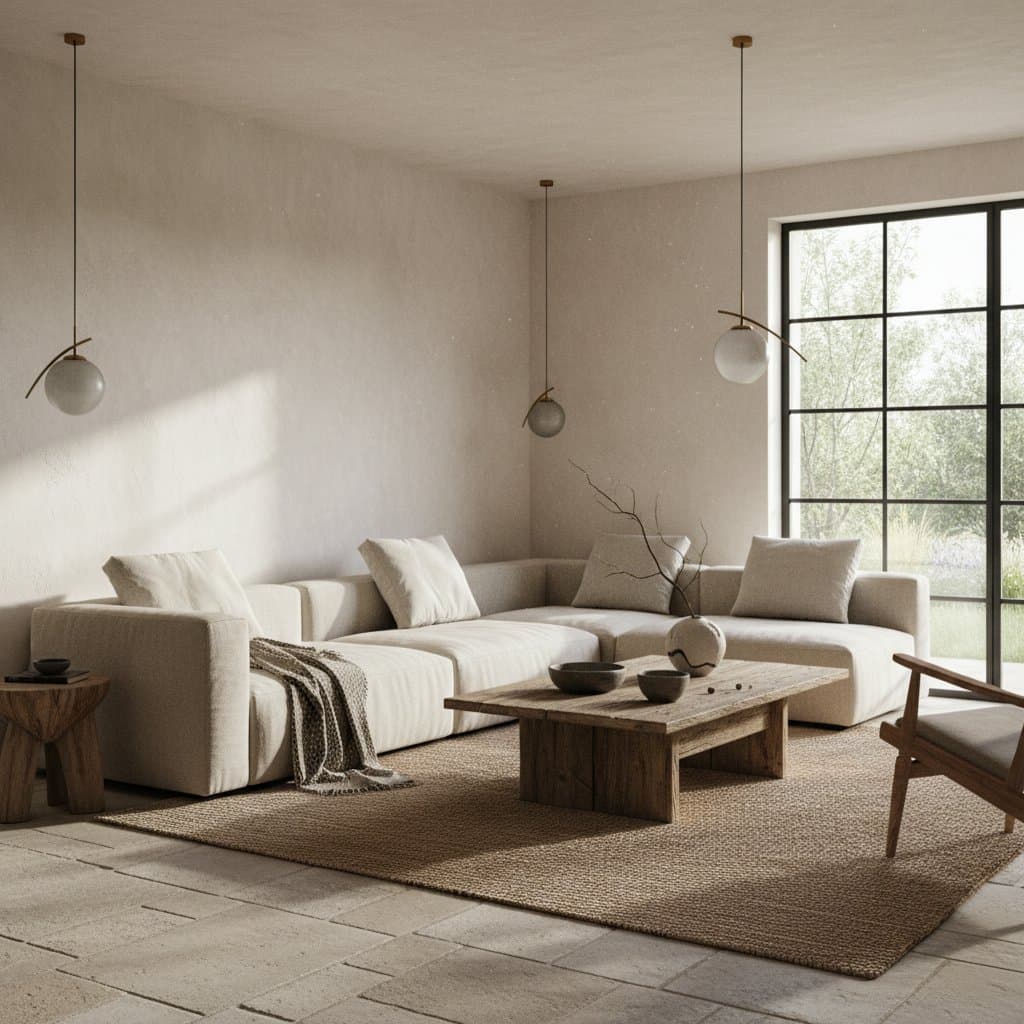
Wabi-Sabi Design: Embracing Imperfection for Authentic Spaces
You have dreamed of a home that feels calm, grounded, and deeply personal. You flip through glossy magazines or scroll through endless feeds filled with perfect, polished interiors, yet something about them feels too sterile. Where is the warmth, the story, the sense of real life? This is where Wabi-Sabi design steps in, offering a refreshing alternative that celebrates imperfection, simplicity, and authenticity.
The Beauty of Imperfection
Imagine walking into a room where the wooden floor shows the soft patina of use, the ceramic vase on the table carries a faint crack, and the linen curtains ripple gently in the light. Nothing demands attention, yet everything feels complete. The appeal lies in the quiet honesty of each piece, a reflection of time, nature, and craftsmanship. Wabi-Sabi design invites you to find peace in what is weathered and imperfect, reminding you that beauty often hides in the incomplete and the irregular.
Wabi-Sabi originates from Japanese aesthetics that value transience and natural imperfection. It moves away from the idea of flawless symmetry and instead embraces the raw and the real. It honors the marks life leaves behind, whether that is a worn countertop, a faded wall, or a mended chair. Every imperfection tells a story, and those stories make a space truly yours.
To deepen this appreciation, consider how Wabi-Sabi contrasts with modern minimalism. While minimalism often seeks pristine lines and uniformity, Wabi-Sabi welcomes asymmetry and organic forms. For instance, a asymmetrical shelf made from salvaged timber draws the eye to its unique contours, fostering a sense of intimacy rather than detachment.
How to Bring Wabi-Sabi Into Your Home
You do not need to overhaul your entire home to capture the Wabi-Sabi spirit. Start small and let the feeling grow naturally. Here are practical ways to begin, each designed to integrate seamlessly into your existing space.
-
Choose Natural Materials
Select wood, stone, clay, and linen for their inherent texture and depth. These materials reveal subtle changes over time, enhancing the room's character. For example, install a reclaimed wood dining table in your kitchen; its knots and grain patterns provide authenticity that mass-produced furniture lacks. Pair it with stone coasters or clay mugs to create a cohesive, earthy foundation. -
Embrace Patina and Age
Resist the urge to refinish every scratch or repaint every scuff. Allow your home to age gracefully. A brass faucet that develops a natural tarnish over months or leather chairs that crease with regular use add depth and soul to the environment. To maintain balance, dust these elements regularly without polishing away their evolving surface. -
Simplify Your Space
Wabi-Sabi thrives in simplicity. Retain only items you love or those that serve a clear purpose. Clear surfaces, install open shelves with sparse arrangements, and limit decor to essential pieces. This approach allows textures and materials to stand out; for instance, a single wooden sculpture on a bare mantel can evoke tranquility more effectively than a crowded display. -
Highlight Handmade Pieces
Source pottery, textiles, or furniture from local artisans. The slight unevenness of a hand-thrown bowl or the varied threads in a woven rug introduce warmth that automated production cannot match. Visit craft markets or online artisan directories to find pieces like a quilted throw with irregular stitching, which adds a tactile, personal layer to your living room. -
Invite Nature Indoors
Incorporate elements such as driftwood, pebbles, branches, or potted plants. These items connect your interior to the outdoors and reflect Wabi-Sabi's harmony between growth and decay. Arrange a cluster of smooth river stones in a shallow wooden bowl on your coffee table, or place ferns in unglazed terracotta pots to soften harsh corners and introduce subtle movement.
Expand these steps by layering them gradually. Begin in one room, such as the bedroom, where soft lighting from a paper lantern can highlight the gentle folds of linen bedding, creating an immediate sense of serenity.
Practical Considerations
Before implementing changes, evaluate how Wabi-Sabi aligns with your lifestyle. This style emphasizes intention rather than neglect. Keep surfaces clean yet retain their natural sheen; make repairs visible but executed with care. Families with children or pets benefit from this forgiving approach, as a scuffed floor or marked wall integrates into the narrative instead of requiring constant correction.
On a budget, Wabi-Sabi proves accessible. Repurpose existing possessions, explore thrift stores for vintage finds, or invest in select handcrafted items with personal significance. Prioritize durable, low-maintenance options like unsealed wood that weathers well. If engaging professionals, seek those experienced in natural finishes, such as applying eco-friendly limewash to walls for a soft, breathable texture. Always consult local building codes for projects involving structural elements like flooring refinishing, ensuring safety and compliance.
Consider maintenance routines to sustain the aesthetic. Weekly wiping with natural oils preserves wood without altering its patina, while seasonal deep cleans prevent dust buildup without erasing character. This mindful upkeep reinforces the philosophy's core of respectful coexistence with your surroundings.
The Emotional Side of Wabi-Sabi
Wabi-Sabi extends beyond aesthetics to influence mindset. It cultivates gratitude for existing possessions rather than pursuit of flawlessness. It instills patience as you observe materials transform through seasons and daily rhythms. In an era dominated by rapid trends and instant gratification, this perspective provides grounding.
Residents often report heightened calm after adopting these principles. Clutter diminishes, visual noise recedes, and the home mirrors inner tranquility. The design rejects superficial status in favor of genuine comfort and self-acceptance, fostering deeper emotional connections to one's environment.
Cultivating Lasting Serenity
As you integrate Wabi-Sabi elements, your perception of home evolves. A chipped teacup evokes shared moments over tea, while uneven floorboards chronicle family history. These details transform ordinary spaces into sanctuaries of quiet significance.
Commit to intentional selections that honor your current life while allowing room for growth. Observe how your choices mature, and adjust as needed to maintain harmony. The result is a residence that nurtures peace, where imperfection becomes the foundation of profound beauty and authentic living.